In the world of sleek smartphones, vibrant tablets, and slim laptops, the display glass panel isn’t just a window to the digital world – it’s a shield, a touch interface, and a key contributor to user experience. When it comes to display cover glass panel, one cannot overlook the significant contributions of Anti-Glare (AG) Glass and Corning’s Gorilla Glass. Both promise protection and enhanced visuals, but through different approaches.
This blog delves deeper, dissecting the core of each technology, analyzing their strengths and weaknesses, and guiding you towards the ideal choice for display or screen applications.
What is AG Glass?
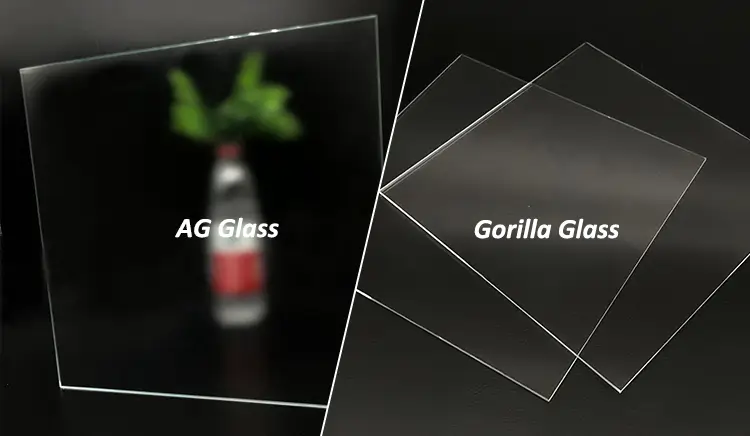
AG is short for Anti-Glare. AG Glass, also known as anti-glare glass or non glare glass, is meticulously engineered to combat the pesky reflections and glare from ambient light sources, particularly in bright environments.
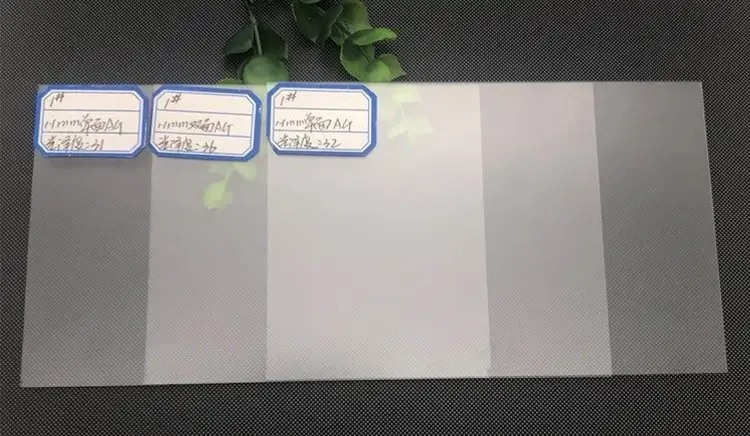
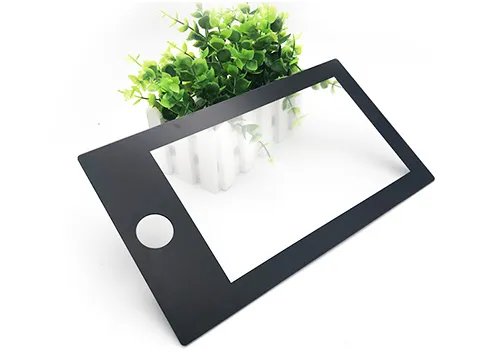
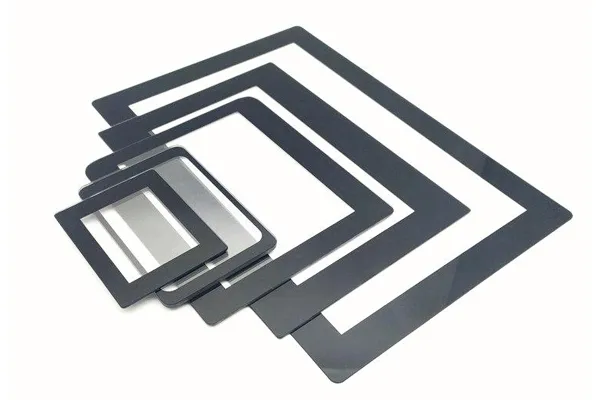
AG Glass
How AG Glass is Made and Works?
In the industry of cover lens, there are two primary methods for AG glass processing:
Etching: The glass surface is etched with a microscopic texture, creating a rough finish that diffuses incoming light, scattering it in different directions and thus minimizing direct reflections.
Coating: A thin layer of anti-glare material is applied to the glass surface. This coating is designed to absorb a portion of the incoming light, reducing the intensity of reflections.
Advantages of AG Glass
Superior Readability in Bright Environments: By significantly reducing glare and reflections, AG glass makes it significantly easier to view your screen outdoors, under bright lights, or even in direct sunlight.
Enhanced Viewing Angles: The diffused reflection characteristic of AG glass often leads to wider viewing angles. This means the screen content remains visible and clear from various positions, a boon for collaborative work or media consumption.
Improved Touch Interaction: The slightly textured surface of AG glass, particularly the etched variant, can offer a more tactile feedback experience while using touchscreens. It also tends to minimize the appearance of fingerprint smudges.
Disadvantages of AG Glass
Potential Impact on Sharpness: The light diffusion, though excellent for glare reduction, can lead to a slight reduction in image sharpness and overall vibrancy compared to a perfectly smooth glass surface. This effect is usually minimal but noticeable to discerning eyes.
Susceptibility to Scratches: The etched type of AG glass, due to its microscopically roughened surface, can be slightly more prone to scratches compared to chemically strengthened glass types like Gorilla Glass.
What is Gorilla Glass?
Developed by Corning, Gorilla Glass is synonymous with toughness in the world of display technologies. It’s specifically engineered to offer exceptional resistance against scratches and impacts, protecting your device’s delicate display from the rigors of daily life.
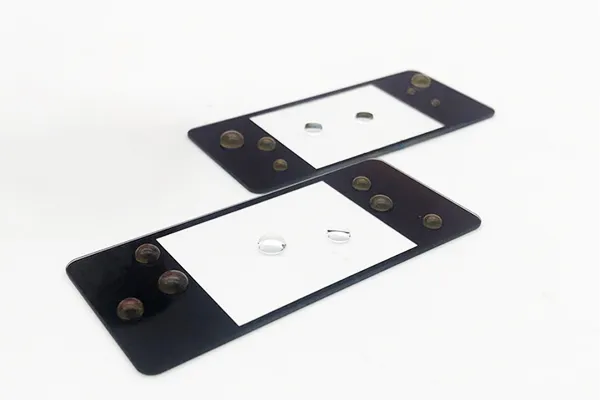
Corning Gorilla Glass
The magic of Gorilla Glass lies in its unique chemical strengthening process:
Ion Exchange: The glass is immersed in a molten salt bath at high temperatures. This process allows smaller sodium ions within the glass to be replaced by larger potassium ions from the salt bath.
Compressive Stress: As the glass cools, the larger potassium ions create a state of compressive stress on the surface layer. This compressed layer acts as a shield, making the glass remarkably resistant to damage.
Advantages of Gorilla Glass
Unmatched Scratch Resistance: Gorilla Glass is superior resistant to scratches and can withstand everyday encounters that would easily leave scratches on regular glass.
Remarkable Drop Protection: Gorilla Glass is able to survive drops from significant heights onto hard surfaces. While no glass is entirely shatterproof, the protection provided by Gorilla glass significantly reduces the risk of a cracked screen.
Excellent Optical Clarity: Despite its incredible strength, Gorilla Glass maintains exceptional transparency, ensuring vibrant colors, deep blacks, and overall sharp image quality.
Disadvantages of Gorilla Glass
Glare and Reflections: Standard Gorilla Glass, while incredibly tough, doesn’t inherently address the issue of glare and reflections. In bright environments, this can hinder comfortable viewing.
Cost Factor: Incorporating Gorilla Glass adds to the overall manufacturing cost of a device, which can sometimes reflect in a higher price tag.
Choosing the Right Display Glass Panel: AG Glass Vs. Gorilla Glass
The ‘best’ glass panel for display or screen don’t come with an easy or one-size-fits-all answer. In general, there are several factors need to consider first.
Operation Environment: Where will the displays or screens be using most? Outdoors, in bright environments, or mostly indoors?
Usage: Scratch and drop resistance is important or visual clarity is more important for the glass panel applications?
Interaction: Requires touch sensitivity or not?
In Which Scenarios, AG Glass is Preferred Choice
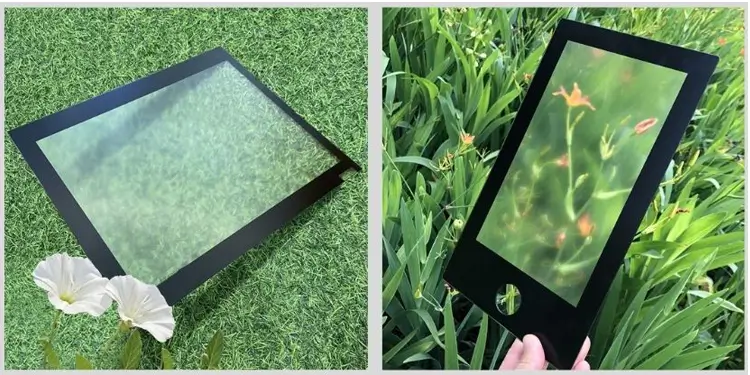
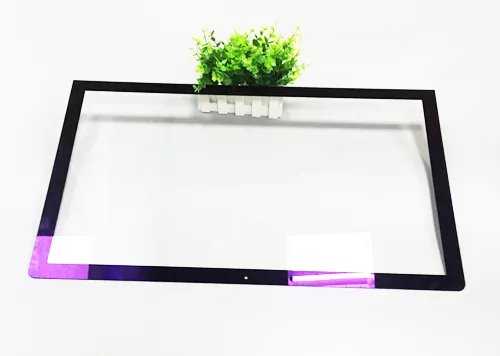
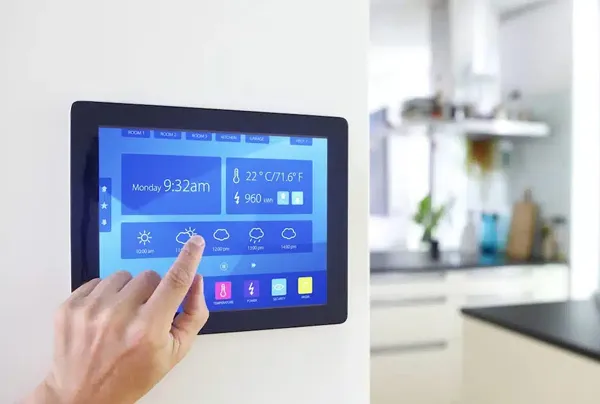
AG glass for displays or screens
Anti-glare glass are perfect choice for displays or screens that has requirements:
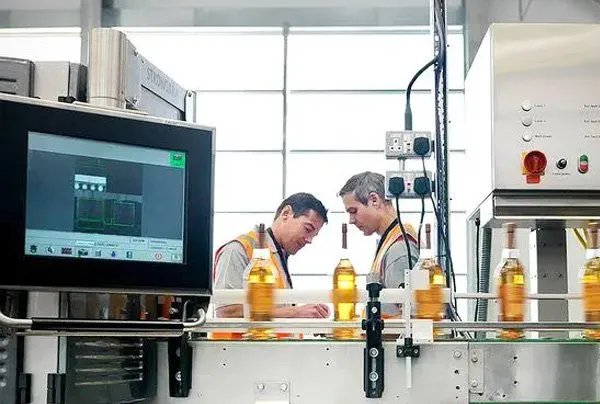
Maximum readability under direct sunlight or bright lights, such as smartphones and tablets,E-readers, outdoor displays, automotive dashboards, aviation and marine displays, etc.
Minimizing glare significantly improves eye comfort, such as medical imaging displays, museum and gallery displays, computer monitors, television screens, etc.
A more tactile touch experience is preferred, such as interactive kiosks and ATMs, gaming devices, drawing tablets, point-of-sale terminals, etc.
In Which Scenarios, Gorilla Glass is Preferred Choice
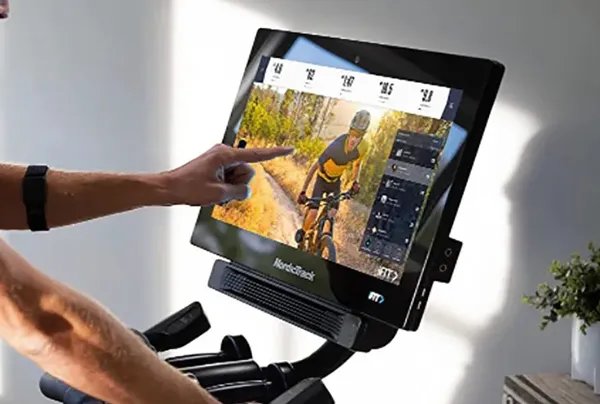
Gorilla glass for displays and screens
Gorilla glass are perfect choice for displays or screens that has requirements:
Maximum protection against scratches and accidental drops is non-negotiable, such as smartphones and tablets, ruggedized devices, protective cover for delicate electronics, etc.
Superior durability for scratch-free screen over time, such as touchscreen displays in public spaces, high-end smart watches and smartphones, etc.
Vibrant and sharp image quality is essential, such as OLED or QLED display, cameras, medical imaging devices, etc.
Optimal Display Glass Solution: AG Glass and Gorilla Glass
Now, many manufacturers now offer displays that ingeniously combine AG and Gorilla Glass technologies to offer better user experiences. These displays typically feature a base layer of ultra-tough Gorilla Glass for impact and scratch resistance. A meticulously applied anti-glare coating on top ensures comfortable viewing even in challenging lighting conditions.
Reliable AG Glass and Gorilla Glass Panel Manufacturer
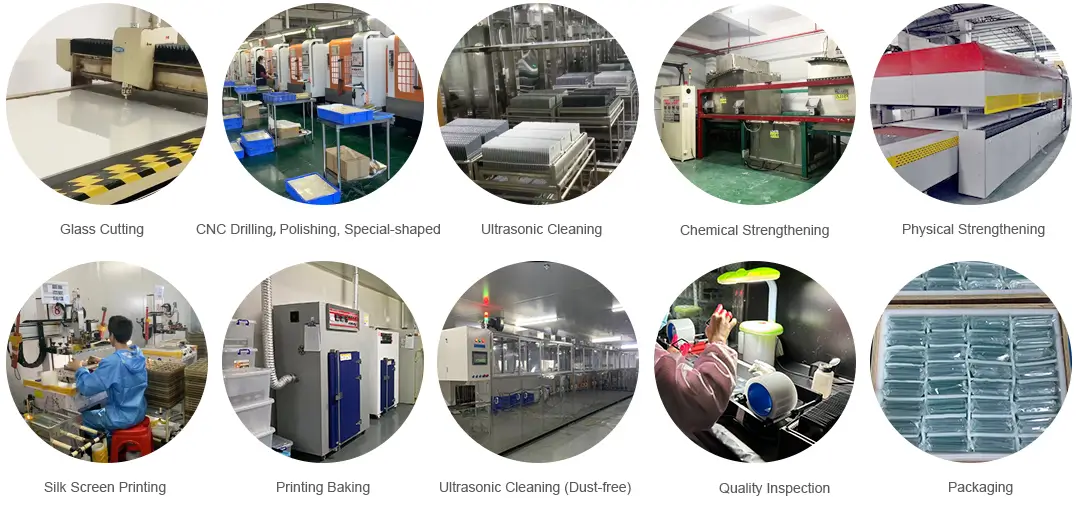
TFT Cover Glass has more than 15 years of experiences in providing custom display glass panels. We leverage our deep understanding of AG glass, Gorilla Glass, and other advanced technologies to craft tailored solutions for diverse applications.
Custom AG Glass and Gorilla Glass Manufacturer
Whether you prioritize superior scratch resistance, demand crystal-clear optics, or require a perfect balance of anti-glare properties and toughness, our team can collaborate with you to design and manufacture the ideal display glass panel to meet your exact specifications and elevate your product to the next level.
Conclusion
Ultimately, by carefully weighing your needs and understanding the strengths of AG glass and Gorilla Glass, you can confidently choose the perfect display glass panel to elevate your digital experience.





 EN
 FR
 DE
 ES
 PT
 IT
 NL
 DA
 RU
 AR
 TR
 JA
 KO
 ID
 UK
 TH
 VI
 PL
 MS
 ET
 EL