This blog provides a comprehensive comparison of soda-lime glass and tempered glass, highlighting their respective properties, advantages, and limitations in the context of glass panel applications beyond mobile phone devices.
We will analyse the chemical composition, manufacturing processes, performance characteristics of each glass type, and their relationships, examining their suitability for demanding environments found in industrial, medical, commercial, and other specialized applications.
What is Soda Lime Glass?
In display cover glass industry, soda lime glass is one of the most widely used glass materials for the manufacturing of cover glass panel.
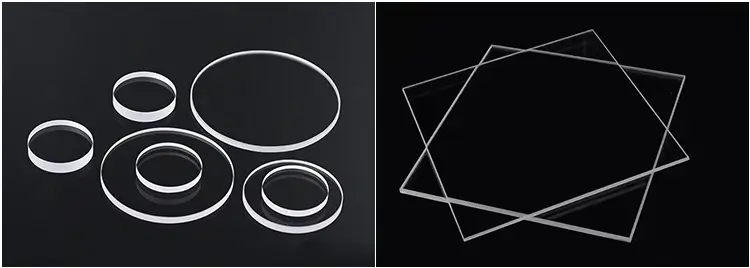
Soda Lime Glass
Soda-Lime Glass Composition and Manufacturing
Soda-lime glass, also known as float glass, dominates the commercial glass market due to its cost-effectiveness and ease of processing. Its primary constituents are silica (SiO₂), soda (Na₂O), and lime (CaO), with minor additions of other oxides like magnesia (MgO) and alumina (Al₂O₃) for enhanced durability and chemical stability.
The soda-lime glass manufacturing process involves pouring molten glass onto a bath of molten tin, creating an exceptionally flat and uniform surface. This inherent flatness makes soda-lime glass ideal for applications requiring a smooth, undistorted surface, like basic protective covers or simple glazing.
Soda-lime Glass Properties and Performance
Soda-lime glass exhibits decent optical clarity and light transmission, making it suitable for applications where light transmission is important. However, its relatively low tensile strength and impact resistance limit its use in rugged environments.
While various surface treatments can improve scratch and chemical resistance, soda-lime glass remains susceptible to breakage under impact or bending stress. This makes it less suitable for applications requiring high durability, such as industrial control panels or heavy machinery covers.
What is Tempered Glass?
Tempered glass, also known as toughened glass, is a type of strengthened glass processed to increase its strength and safety. It’s more resistant to impact and thermal stress than ordinary annealed glass and breaks into smaller, relatively dull fragments, reducing the risk of injury. This characteristic makes it ideal for applications such as car side windows, building facades, and electronic screens. The enhanced strength of tempered glass comes from manipulating internal stresses within the glass structure.
tempered glass
Physical Tempering and Chemical Tempering
There are two primary methods for tempering glass: physical tempering and chemical tempering. Physical tempering, also called thermal tempering, involves heating the glass to near its softening point and then rapidly cooling it. This creates compressive stress on the surface and tensile stress inside, enhancing its strength and impact resistance. Chemical tempering, on the other hand, alters the chemical composition of the glass surface through ion exchange. Typically, the glass is immersed in a molten salt bath where larger potassium ions replace smaller sodium ions, creating compressive stress on the surface and thus strengthening the glass.
While both methods achieve increased strength, physical tempering is more widely used due to its cost-effectiveness and suitability for a broader range of applications. Chemically tempered glass is often thinner than physically tempered glass and possesses higher bending strength, but its impact resistance can be slightly lower. While the term “tempered glass” generally refers to both types, in common usage, it often implies physically tempered glass due to its prevalence.
Soda-Lime vs. Tempered Glass: A Head-to-Head Comparison
Several key performance indicators differentiate soda-lime glass from tempered glass.
soda lime vs tempered glass
Mechanical Strength: Tempered glass boasts significantly higher tensile and flexural strength than soda-lime glass, withstanding greater impact and bending forces.
Impact Resistance: Tempered glass absorbs significantly more impact energy before fracturing, making it ideal for demanding environments.
Stability: Both glass types possess reasonable thermal stability, but tempered glass exhibits superior resistance to thermal shock due to its internal stress distribution, making it suitable for applications with temperature fluctuations.
Scratch Resistance: Both glass types benefit from surface treatments for enhanced scratch resistance, though tempered glass generally demonstrates better inherent scratch resistance.
Safety: Tempered glass’s dicing fracture pattern minimizes the risk of injury compared to soda-lime glass’s sharp shards.
Cost: Soda-lime glass remains significantly more economical due to its simpler manufacturing process.
Processability: Soda-lime glass is easily cut and shaped before tempering, offering greater design flexibility. Tempered glass cannot be modified post-tempering.
Chemical Resistance: Both glass types exhibit good chemical resistance, though specific coatings can further enhance resistance to specific chemicals or environmental conditions.
Soda-Lime Glass vs. Tempered Glass: Comparative Table
Feature
Soda-Lime Glass
Tempered Glass
Manufacturing Process
Float Process
Physical or Chemical Tempering Process
Strength
Low
High (4-5x annealed)
Impact Resistance
Low
High
Fracture Pattern
Sharp shards
Small, granular pieces (dicing)
Thermal Stability
Moderate
High
Scratch Resistance
Moderate (improvable with coatings)
High (inherent and improvable)
Chemical Resistance
Good (improvable with coatings)
Good (improvable with coatings)
Cost
Low
High
Processability
High (before tempering)
Low (cannot be processed after tempering)
Optical Clarity
Good
Good
The Relationship Between Soda-Lime Glass and Tempered Glass
Soda-lime glass is one of the foundational glass materials used to create tempered glass. While, tempered glass is created by chemically or physically strengthening various glass types, including soda-lime glass, aluminosilicate glass, and other glass compositions. Tempered glass is essentially a processed form of soda-lime glass.
Choosing the Right Glass for Your Cover Glass Panel Applications
Soda-lime glass and tempered glass play interconnected roles in the display and touch screen glass panel industry, but with different focuses, including:
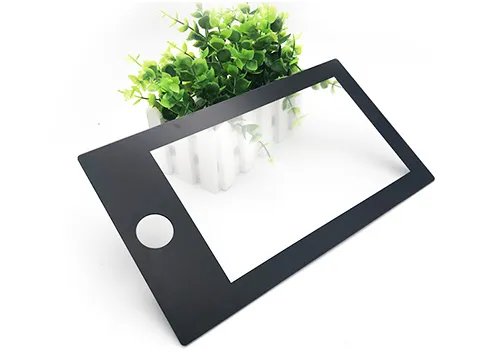
Soda Lime Tempered Glass for Display Cover Glass
Soda-Lime Glass
Soda-lime glass is rarely used directly for screens or displays glass panels, especially in industrial, medical, and public settings where strength and safety are paramount. It primarily serves as a raw material for tempered glass. Its affordability and ease of processing make it a key component in tempered glass production. Some low-end products with less stringent performance requirements and cost sensitivities, such as simple indicator lights or decorative panels, might still use non-tempered soda-lime glass, but this is increasingly rare in panel applications.
Tempered Glass
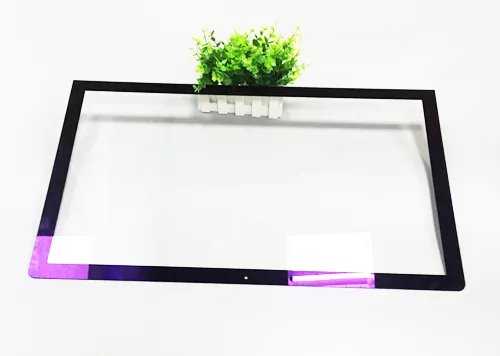
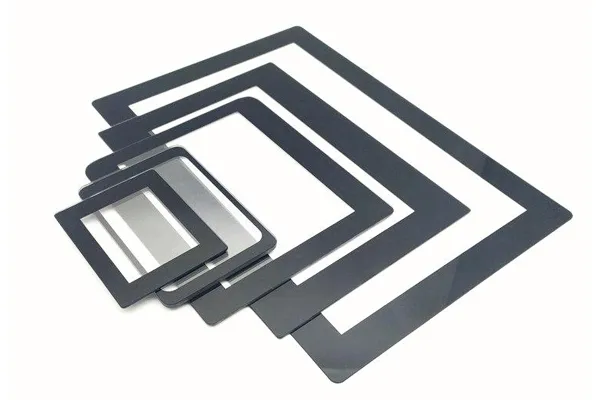
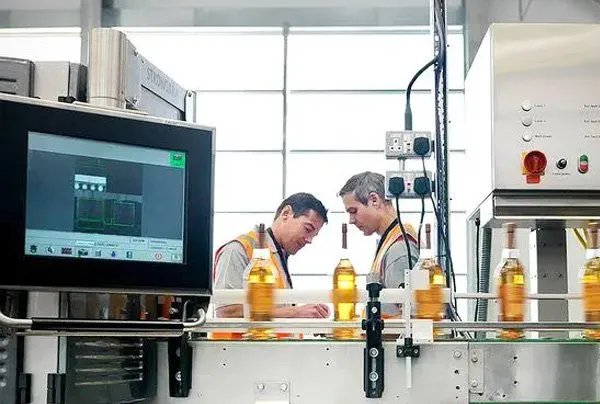
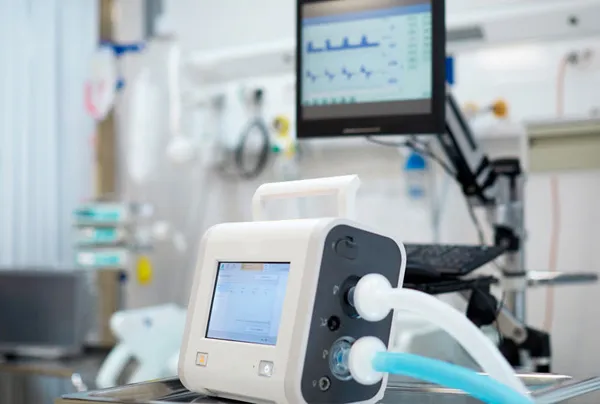
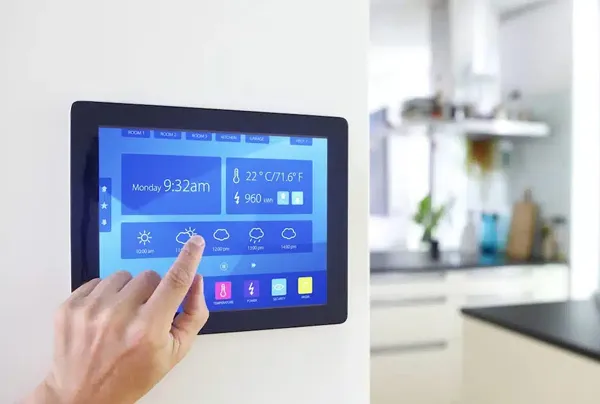
Tempered glass is the dominant choice in the display and touch screen cover glass panel industry. Tempering, a process applied to various glass types including soda-lime glass, significantly increases its strength, impact resistance, and thermal stability. This makes tempered glass the preferred material for most panel applications, such as:
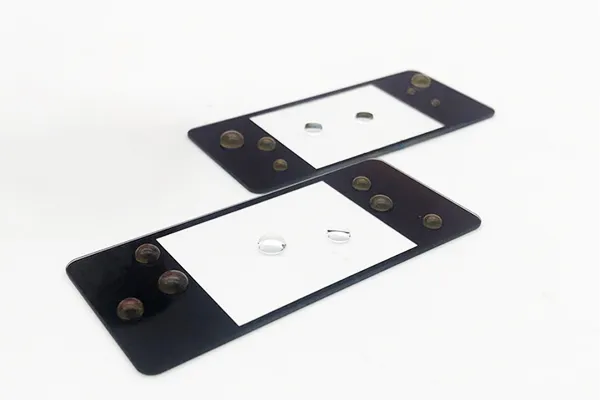
tempered glass applications in cover glass industry
Advertising Displays and Kiosks: Tempered glass panels effectively prevent vandalism and accidental damage.
Industrial Equipment: Used for control panels and displays, tempered glass protects internal components and provides a safer operating environment.
Medical Equipment: Tempered glass panels are easy to disinfect and clean, meeting the durability and hygiene requirements of medical devices.
Payment Terminals and Self-service Kiosks: In applications like POS systems, ATMs, and vending machines, tempered glass panels protect screens from scratches and vandalism.
Charging Stations: Tempered glass screens on outdoor charging stations withstand weathering and potential impacts.
Other Specialized Applications: Applications with demanding optical requirements, such as high-brightness displays or those needing specialized optical coatings, may utilize specially treated tempered glass, like chemically strengthened aluminosilicate glass.
In fact, within the display and touch screen glass panel industry, soda-lime glass primarily serves as a raw material for tempered glass. Tempered glass, with its superior performance, is the prevalent choice for diverse cover glass applications, fulfilling industry needs for strength, safety, durability, and cleanability. Different glass types (including soda-lime and aluminosilicate glass) can be selectively tempered based on the specific performance requirements of the final application.
Custom Cover Glass Manufacturer – TFT Cover Glass
TFT Cover Glass has been specialized in cover glass industry for at least 15 years and has gained rich and updated techniques in cover glass manufacturing. If you have any questions about the cover glass for your applications, welcome to contact us directly for more information.
Our company’s engineers carefully evaluate the trade-offs between cost, performance, safety, and aesthetics, enabling engineers and designers to confidently select the optimal glass solution for their specific application, ensuring product longevity, reliability, user safety, and a visually appealing final product.
Future Trends and Considerations
The glass industry continues to innovate, developing new compositions and treatments to further enhance the performance and versatility of both soda-lime and tempered glass. Chemically strengthened glass, for instance, offers superior strength and scratch resistance compared to traditional tempered glass, facilitating thinner and lighter glass panels for demanding applications. Nanotechnology is also playing a role, with specialized coatings offering enhanced functionalities such as self-cleaning, anti-fogging, and even energy generation.
Advancements in lamination techniques are creating new possibilities for incorporating functionalities like embedded sensors, heating elements, and decorative features within laminated glass panels. These advancements broaden the application scope of glass panels in diverse fields, from smart appliances and interactive displays to building facades and automotive design.
Understanding the inherent characteristics of each glass type empowers informed decision-making and drives innovation in the ever-evolving world of glass applications.
Conclusion
Soda-lime and tempered glass play distinct roles in the world of glass panels. While soda-lime glass offers cost-effectiveness, tempered glass, often derived from it, provides the superior strength and safety crucial for demanding applications like displays and touchscreens. Continued innovation promises even more advanced glass solutions in the future. Understanding these differences empowers informed choices for optimal performance and safety.







 EN
 FR
 DE
 ES
 PT
 IT
 NL
 DA
 RU
 AR
 TR
 JA
 KO
 ID
 UK
 TH
 VI
 PL
 MS
 ET
 EL