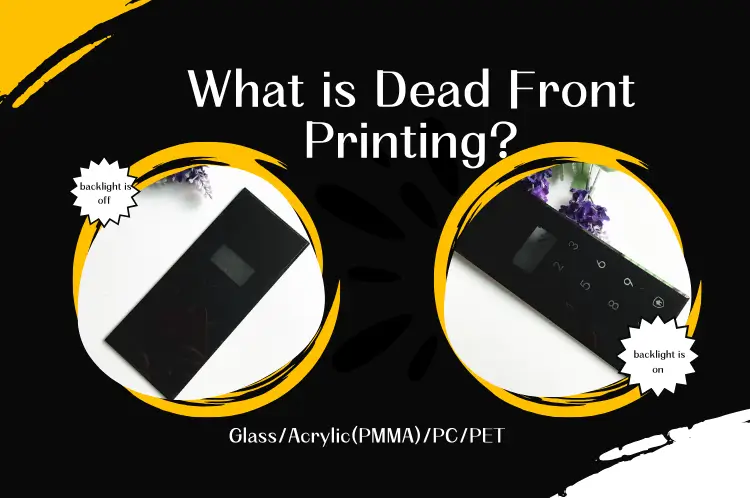
In modern electronic product design, a sleek, modern, and premium aesthetic is paramount. Dead front printing, with its sophisticated craftsmanship and deep, rich visual effect, is rapidly becoming a leading trend in high-end product design. It not only enhances the product’s beauty but also optimizes the user interaction experience, giving products a unique appeal. From smartwatches to in-car display systems, one-piece black printing is shaping the future of product appearance design.
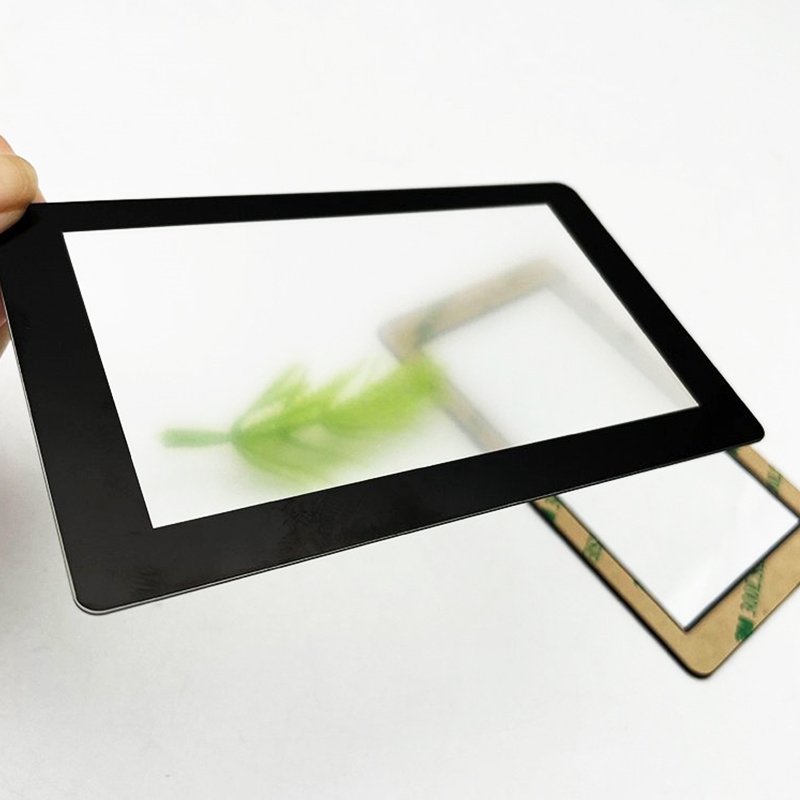
Dead front printing is an advanced printing process that utilizes specialized techniques to create a uniformly deep black panel appearance. In the inactive state, all icons and indicator lights are seamlessly hidden. Only when activated do specific areas illuminate, enhancing product aesthetics and user experience while maintaining a clean, modern visual effect.

This article explains the dead front printing technology, covering its definition, applications, implementation methods, material selection, design considerations, and quality control, helping designers, manufacturers, and engineers better understand and utilize this advanced technique to create visually stunning and high-quality products.
What is Dead Front Printing?
Before exploring the technical details of dead front printing, let’s establish a clear understanding of the core concept and desired visual outcome of dead front printing.
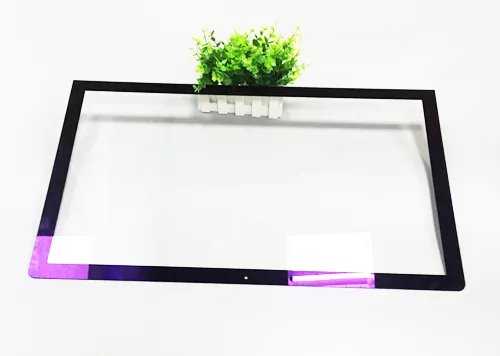
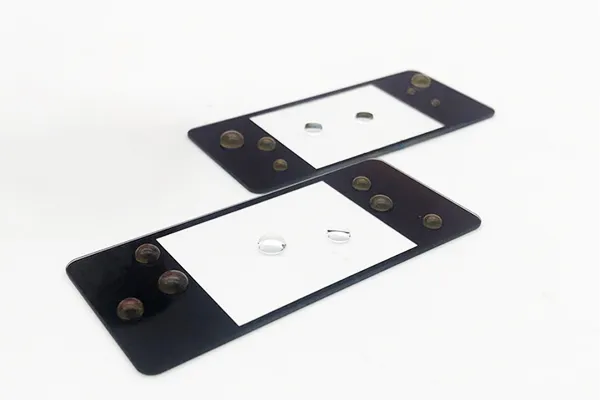
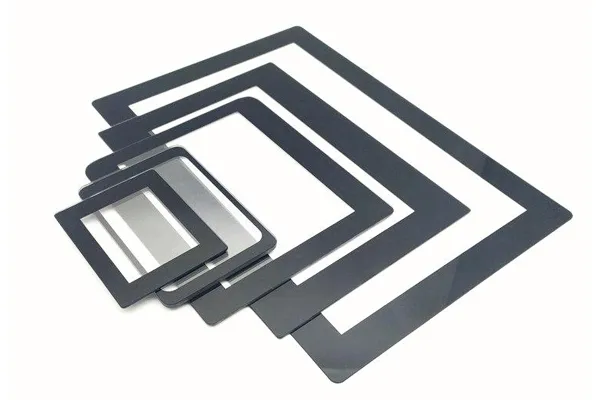
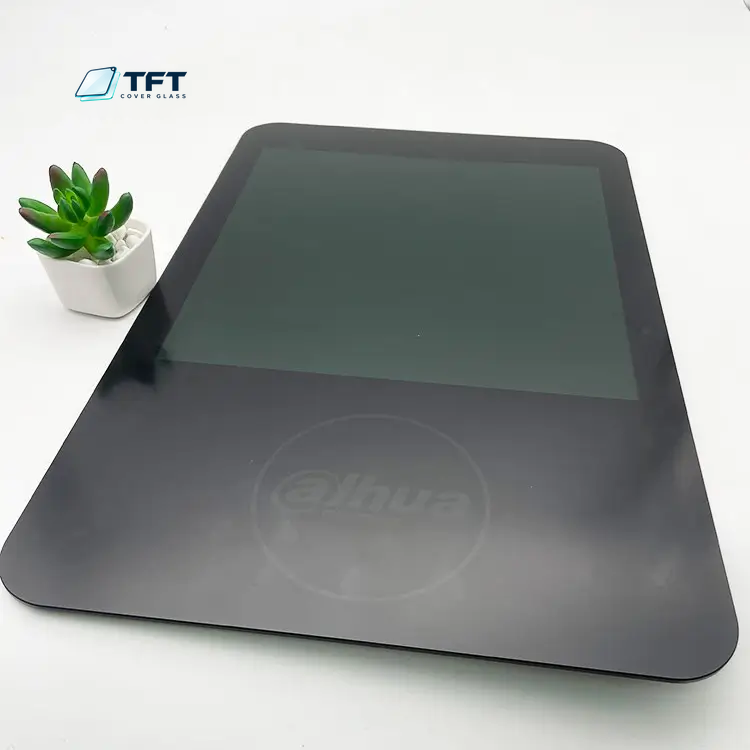
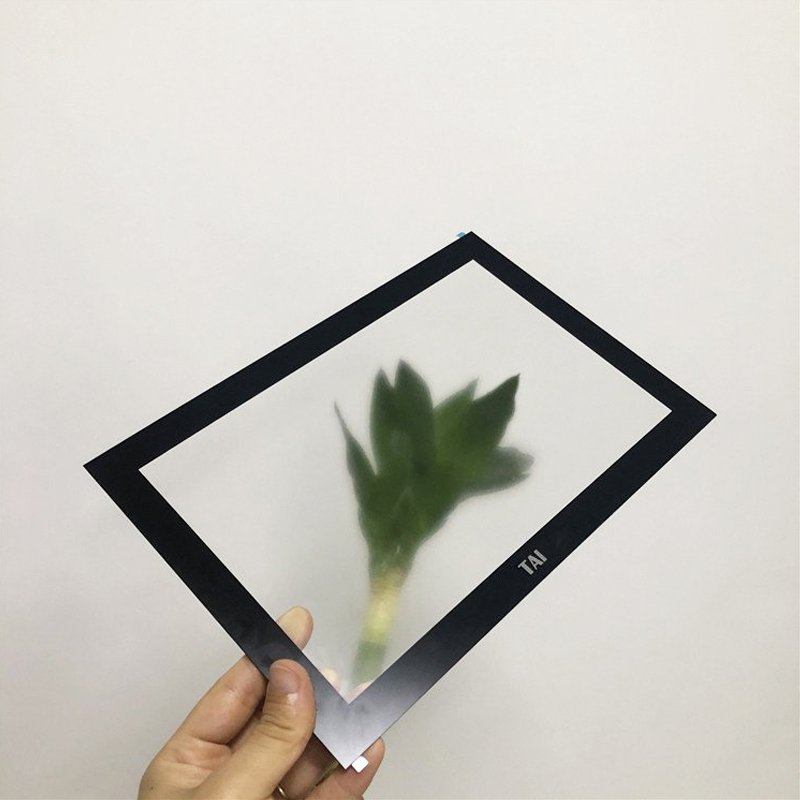
Dead front printing, also known as the one-piece black printing, is a panel printing technology. Its core objective is to achieve visual consistency, depth, and high light-blocking properties in the black areas of the panel. Unlike standard black printing, which focuses solely on basic color reproduction, dead front printing strives for a superior black effect, particularly crucial in backlit display panels.
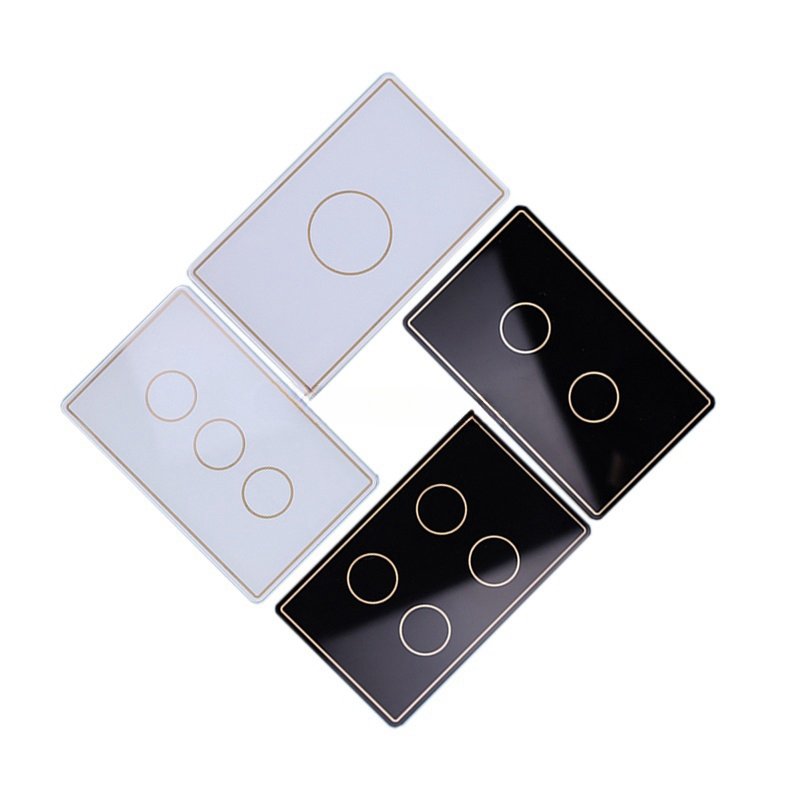
The ultimate result of dead front printing is a uniformly deep black panel that conceals all icons and indicator lights when the backlight is off. When the backlight is activated, only the activated icons or indicator lights illuminate, while the remaining areas retain their deep black appearance, highlighting key information and creating a clean, modern aesthetic.
Dead front printing is commonly used in devices requiring a simple, elegant design and clear information display. Dead front printing is a key technology for achieving this effect, emphasizing the maximum concealment of display elements in the inactive state, revealing them only when necessary.
What is the Application of Dead Front Printing Displays?
Dead front printing is more than just a theoretical concept; its application in various high-end electronic products significantly enhances both design aesthetics and user experience.
- Wearables: Smartwatches and fitness trackers benefit from a cleaner, more visually appealing design thanks to dead front printed panels.
- Smartphones: High-end phones utilize dead front printing on control panels or decorative bezels to enhance the perceived quality and sophistication of the device.
- Smart Home: Smart speakers and smart locks, among other devices, adopt this technology to better align with modern home décor styles.
- Medical Devices: In medical instruments, the clean display facilitated by dead front printing improves ease of use for medical professionals and enhances understanding for patients.
- In-Vehicle Display Systems: Dead front printing display panels in car dashboards and center consoles integrate seamlessly into the interior design.
- High-End Appliances: High-end refrigerators and ovens utilize this technology to elevate the perceived quality and technological advancement.
The primary reasons for choosing dead front printing in these sectors are its ability to: enhance product quality and sophistication; improve user experience by providing a clean and intuitive interface; and conceal unnecessary visual elements for a cleaner, more uncluttered display.
What are the Methods to Achieve Dead Front Effect?
There are several methods to achieve dead front effect, each with its own advantages and disadvantages. The optimal choice depends on the specific product requirements.
- Printing: This is a common method involving specialized black inks, including opaque inks for non-display areas and semi-transparent inks for display areas (windows) to allow backlighting. The choice of ink and printing technique (screen printing, UV printing, etc.) significantly impacts the final result.
- Electroplating/Physical Vapor Deposition (PVD): This method uses a vacuum process to deposit a thin, uniform layer of black material onto the surface, regardless of the substrate. It offers excellent uniformity and depth of color but tends to be more expensive.
- Colored Substrate: This uses inherently colored materials. For glass, this would be tinted glass; for acrylic, it would be black acrylic. This is a cost-effective approach for large-scale production, but the available colors and optical properties are limited by the material itself.
- Film Application: Applying a specialized black film to the surface is a relatively simple and cost-effective method, suitable for large areas. However, the durability and longevity of the film are key considerations, and the choice of film will vary depending on the substrate.
- Laser Etching/Engraving: This high-precision technique uses lasers to create the black areas, offering intricate detail and precise control. It’s suitable for smaller, more complex designs but can be more expensive and is less dependent on substrate material than other methods.
- Chemical Etching: Similar to laser etching, but uses chemical processes to etch the black areas. This method can be cost-effective for high-volume production but requires careful control of the chemical process to avoid inconsistencies.
- Dual-Color Injection Molding: Primarily used for plastic components, this method involves injecting two colors of plastic (black and transparent) to create the desired effect. It is cost-effective but limited to plastic substrates.
What are the Main Substrates of Dead Front Panel?
The dead front printing effect can be achieved on various materials. The main substrates used for dead front panels are chosen for their optical properties, durability, and process compatibility. Common substrates include:

- Glass: Offers excellent clarity, scratch resistance, and chemical resistance. It’s often preferred for high-end applications requiring superior durability and visual fidelity. Different types of glass (e.g., soda-lime glass, aluminosilicate glass) may be selected based on specific performance needs.
- Polycarbonate (PC): A strong, impact-resistant plastic with good optical clarity. Polycarbonate is a cost-effective alternative to glass, particularly suitable for applications where impact resistance is crucial.
- Acrylic (Polymethyl methacrylate, PMMA): Offers excellent optical clarity and is relatively easy to process. It’s a good choice for applications requiring high clarity and dimensional stability but may be less durable than glass or polycarbonate against scratches.
- Polyester (PET): A flexible and durable plastic often used for film applications in dead front panels. It’s lightweight and cost-effective but might not offer the same level of scratch resistance as glass or PC.
- Metals (Aluminum, Stainless Steel): Metals can be used, particularly for more robust and industrial applications. However, they require specialized surface treatments and printing techniques to achieve the desired dead front effect and often come at a higher cost.
The selection of the substrate depends heavily on the specific application requirements, including the desired level of durability, optical clarity, cost considerations, and the chosen manufacturing process.
Factors to Consider When Selecting Materials
Selecting panel materials for dead front panel is a systematic process requiring comprehensive consideration of various factors to make the optimal choice.
- Cost: Different materials have vastly different costs, requiring consideration of product market positioning and budget.
- Performance: Material selection depends on application requirements, including weather resistance, impact resistance, and light transmittance.
- Processability: The processing difficulty and cost of the material also influence the final choice.
- Aesthetics: The texture and color of the material must match the product’s design style.
What is the Appropriate Transmittance Rate for Dead Front Printing?
The transmittance of dead front printing depends on the brightness of the backlight and the application scenario. Here we take the dead front printing on glass panels as references.
Transmittance Rate of Dead Front Printing on Glass Panels?
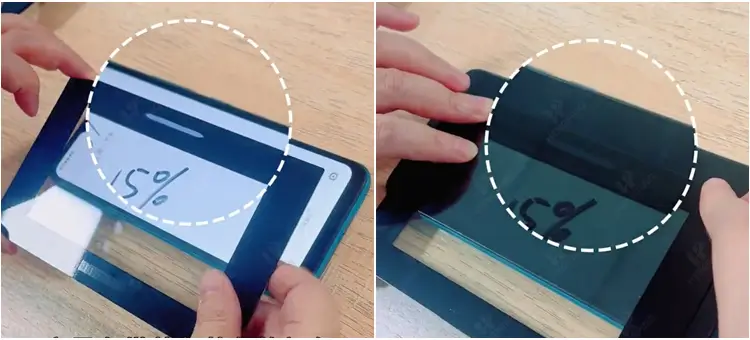
Based on our years of experiences in glass panels, the transmittance tolerance of glass panels made by us can be controlled within 3%. And the transmittance rate of our dead front printing glass panels can be divided into three types:
- Transmittance <10%, Tolerance ±3;

- Transmittance <15%, Tolerance ±3;
- Transmission <20%, Tolerance ±3;

Can dead front printing on glass panels achieve a transmittance of over 20%? While achieving a transmittance exceeding 20% is technically feasible, the resulting display quality is often poor, negating the purpose of dead front printing.
What are the Key Design Points of Dead Front Display?
Designing for a successful one-piece black printing application requires careful consideration of several key aspects:
1. Icon and Indicator Design
- Simplicity and Clarity: Icons should be simple, easily recognizable, and clearly visible even at low brightness levels. Avoid overly complex designs that might lose detail when backlit.
- Size and Spacing: Sufficient size and spacing between icons are crucial for readability and to prevent visual crowding. Overly small or closely spaced icons can blur together when backlit.
- Contrast: Ensure sufficient contrast between the lit icon and the surrounding black area, even with varying backlight intensities. This might involve experimenting with different icon colors or using techniques like outlining or embossing.
2. Backlight Design
- Type: The type of backlight (LED, electroluminescent, etc.) significantly influences the overall aesthetic and uniformity of illumination. LED backlights are common due to their efficiency and controllability, but careful placement and diffusion are vital to avoid hotspots.
- Brightness and Uniformity: The backlight needs sufficient brightness to illuminate icons clearly but should also be uniform to prevent uneven illumination across the panel. Light guides and diffusers can help achieve even illumination.
- Color Temperature: The color temperature of the backlight affects the perceived color of the icons. Consider the overall design aesthetic when selecting a color temperature.
3. Color and Contrast
- Panel Color: While “black” is the overall goal, subtle variations in the shade of black can affect the perceived depth and richness of the effect. Testing different shades of black is often necessary to optimize the result.
- Icon Color: The color of the icons should complement the panel color and provide sufficient contrast when lit. High-saturation colors generally work best, but this depends on the backlight color and intensity.
4. Material Selection
- Transmittance: The chosen material (glass, acrylic, etc.) significantly influences the transmittance of light from the backlight. A balance needs to be struck between sufficient light transmission for clear icon visibility and maintaining a deep black appearance when the backlight is off. This often involves testing different materials and thicknesses.
- Surface Finish: The surface finish (matte, glossy, textured) of the panel affects the light diffusion and perceived visual quality. A glossy finish might enhance brightness but also highlight imperfections, whereas a matte finish offers better diffusion but can reduce brightness.
5. Manufacturing Process:
- Tolerance and Precision: Precise control over the manufacturing process is essential to guarantee uniform color, consistent light transmission, and the absence of defects like ink smudging or scratches.
- Alignment: If printing is used, precise alignment of the printed icons with the backlight is crucial for proper illumination.
6. Testing and Iteration:
- Prototyping: Creating prototypes is essential to test different design parameters and fine-tune the visual appearance. This iterative process allows for adjustments to icon design, backlight intensity, material choices, and surface treatments before mass production.
- Quality Control: Rigorous quality control during the manufacturing process is crucial to ensure consistent results and avoid defects that could compromise the one-piece black effect.
By carefully considering these design aspects and employing a rigorous testing process, designers can create stunning and functional products that fully utilize the potential of one-piece black printing.
How to Control the Quality of Dead Front Printing Effect?
Controlling and testing one-piece black printing effectiveness involves several key steps:
- Pre-Production: Rigorously test inks for opacity, color accuracy, transmittance (if applicable), adhesion, and durability. Evaluate the substrate for surface finish and light transmission properties.
- Process Control: Maintain consistent printing parameters (pressure, speed, etc.), environmental controls (temperature, humidity), and meticulous cleaning to prevent defects. Ensure operator training and adherence to procedures.
- Post-Production Inspection: Conduct thorough visual inspection for uneven color, defects, and light leakage. Use instruments (spectrophotometer, gloss meter, etc.) to quantify color accuracy, transmittance, and surface finish.
- Accelerated Life Testing: Simulate UV exposure, temperature cycling, and abrasion to assess long-term durability.
Conclusion
Dead front printing technology, with its sophisticated craftsmanship and pursuit of ultimate visual effects, plays an increasingly important role in high-end electronic product design. From material selection to process control, every step is crucial. Only by strictly controlling every detail can we achieve stunning visual effects, enhance product quality, and deliver a delightful user experience. With continuous technological advancements, one-piece black printing technology is bound to find broader applications, bringing us more products brimming with technology and aesthetics.
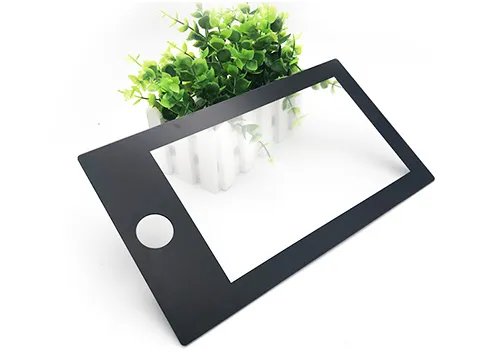






 EN
 FR
 DE
 ES
 PT
 IT
 NL
 DA
 RU
 AR
 TR
 JA
 KO
 ID
 UK
 TH
 VI
 PL
 MS
 ET
 EL