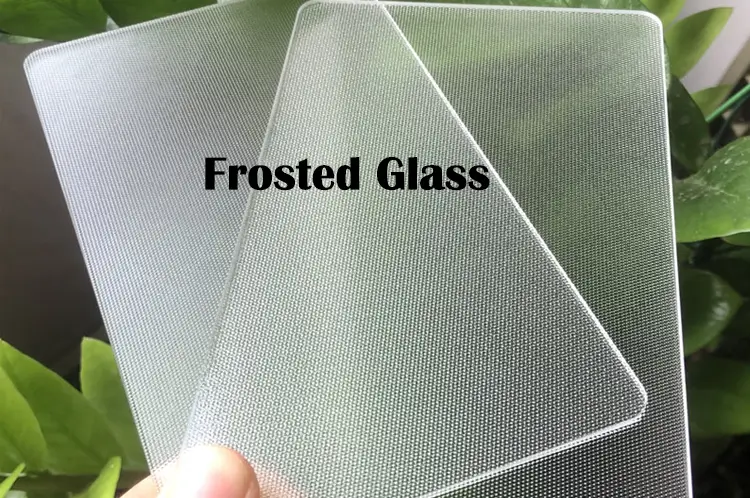
What is Frosted Glass?
Frosted glass refers to glass that has been treated to create a translucent surface, diffusing light while maintaining privacy. Unlike clear glass, it scatters light, which makes objects on the other side appear blurry or completely obscured. This balance between light diffusion and privacy makes frosted glass an ideal solution for areas like office partitions, shower doors, and even touchscreens.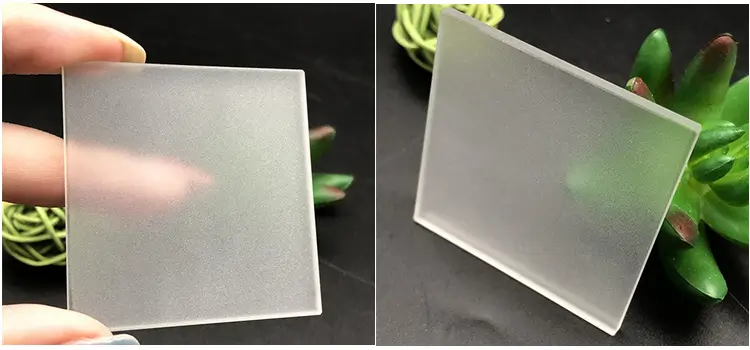
Roughness of Frosted glass
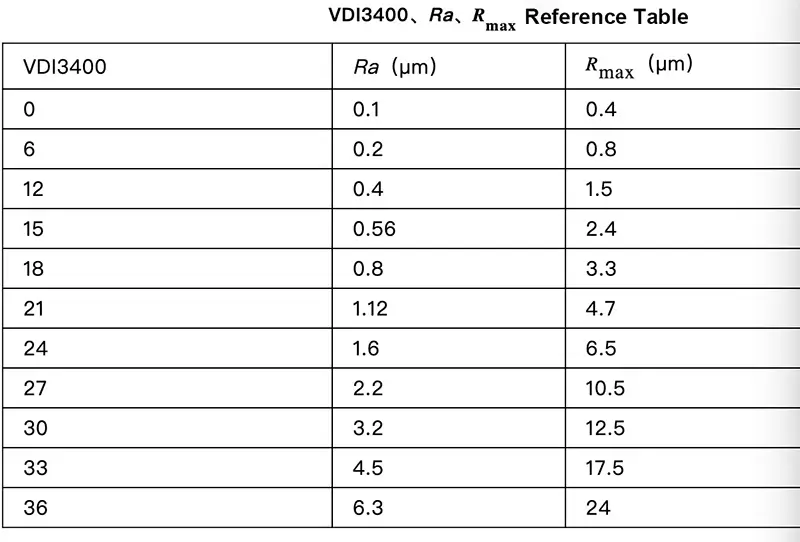
The roughness of frosted glass is the embodiment of the microstructural characteristics of its surface, referring to the height difference between the tiny peaks and valleys on the glass surface. It directly affects the tactility, light transmittance, anti-slip and other properties of frosted glass, and is an important factor in determining its application areas and decorative effects. Some industry standards may require the roughness of frosted glass for specific application scenarios.Due to the diversity of frosting processes and the variability of processing parameters, the roughness of frosted glass varies greatly without a unified standard.
Representation of Roughness
-
Ra (Average Roughness): The most commonly used parameter, representing the arithmetic average of the deviations of the surface profile from the mean line, usually expressed in micrometers (μm).
-
Rz (Ten Point Height): Represents the height difference between the highest peak and the lowest valley within the sampling length, also in micrometers (μm).
Effects of Different Roughness Levels
-
Ra < 0.5 μm: The surface is very smooth, close to clear glass, with high light transmittance but prone to fingerprints.
-
Ra 0.5 – 1.5 μm: Soft to the touch, with certain anti-fingerprint properties and high light transmittance. Widely used in shower doors, partitions, etc.
-
Ra 1.5 – 3.0 μm: Obvious frosted texture, good slip resistance, reduced light transmittance. Commonly used for stair treads, floors, etc.
-
Ra > 3.0 μm: Rough surface, low light transmittance, mostly used for artistic decoration and scenarios requiring special effects.
Factors Affecting Roughness
-
Frosting process: Different processes like acid etching, sandblasting, and obscuring produce different surface structures, affecting roughness.
-
Abrasive particle size: The larger the abrasive particles used in sandblasting or obscuring, the higher the roughness.
-
Process parameters: Factors such as sandblasting pressure, etching time, and acid concentration also influence roughness.
Considerations in Practical Applications
Choosing frosted glass requires considering the desired roughness based on the specific application. For example:
- Shower doors: Need to balance light transmission and privacy, usually selecting frosted glass with Ra 0.5-1.5 μm.
-
Stair treads: Require higher slip resistance, frosted glass with Ra 1.5-3.0 μm can be chosen.
-
Artistic decoration: Frosted glass of various roughness, or even a combination of different roughnesses, can be used to create unique artistic effects.
VDI3400-Ra-Rmax Reference Table
How is Frosted Glass Made?
The process of creating frosted glass typically falls into two primary methods:Sandblasting – Mechanical Processing
This method involves blasting the glass with fine grains of sand at high pressure. The sand erodes the surface of the glass, creating a rough, frosted effect.- Advantages: High efficiency, low cost, good controllability, suitable for various patterns.
- Disadvantages: Dust pollution, high equipment requirements.
Acid Etching – Chemical Etching
This technique employs acidic solutions like hydrofluoric acid to corrode the glass surface, forming a rough, frosted texture. Acid-etched glass offers a more uniform appearance than sandblasting, making it ideal for applications requiring a more consistent look.- Advantages: Delicate surface, soft luster, suitable for intricate patterns.
- Disadvantages: Uses strong acids, safety precautions needed, potential environmental pollution.
What are the Different Types of Frosted Glass?
Frosted glass comes in several types, each suited for different purposes:
-
Standard Frosted Glass: This is the most common type of frosted glass. It has a uniform frosted surface, perfect for privacy screens and decorative features.
-
Patterned Frosted Glass: This type of frosted glass incorporates designs or patterns, allowing for an additional layer of aesthetic appeal while still providing privacy.
-
Double Glazed Frosted Glass: In this type, two layers of glass are used with a frosted layer in between, offering better insulation and soundproofing while maintaining privacy.
Each type has its own advantages and can be selected based on the specific needs of a project.
Where is Frosted Glass Used?
Frosted glass has a wide range of applications across various industries, including: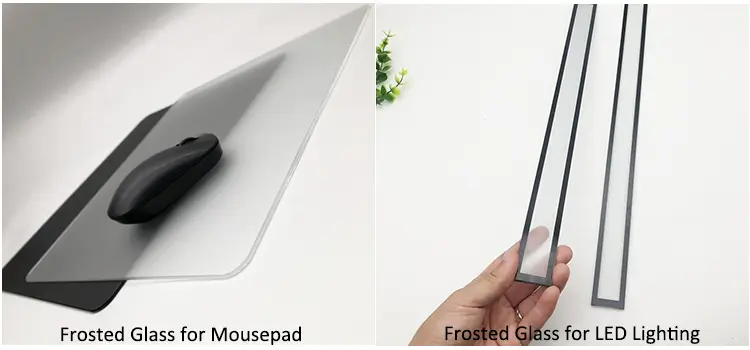
-
Residential Use: Homeowners often use frosted glass for bathroom windows, shower doors, and kitchen cabinets, where they want to allow light in but maintain privacy.
-
Office Spaces: In offices, frosted glass is used to create conference rooms and private cubicles, offering privacy while maintaining an open, modern feel.
-
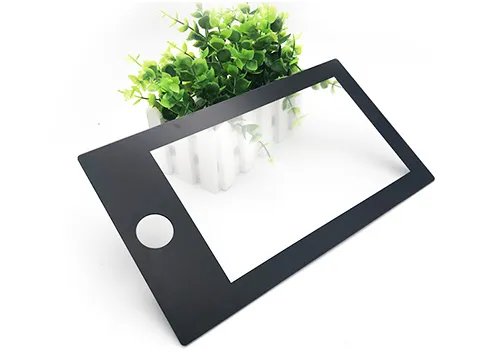
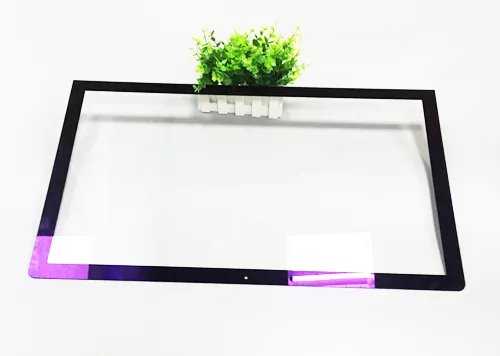
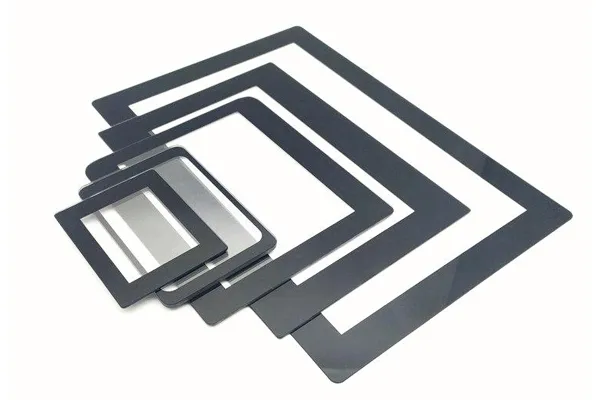
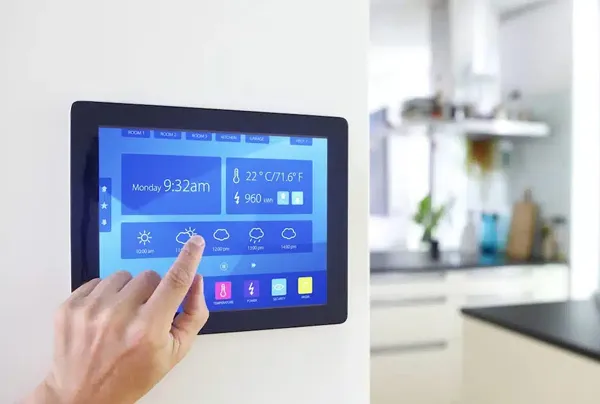
Electronic Devices: Frosted glass is increasingly being used in electronic devices like smartphones and tablets. Its glare-reducing properties and smooth finish make it ideal for touchscreens and cover lenses.
-
LED Lighting: Frosted glass diffuses light evenly, making it perfect for LED lighting applications where you want to avoid harsh shadows.
Why Choose Frosted Glass for Electronic Devices?
Electronic devices often utilize frosted glass for their casings or screen surfaces due to several key advantages:
1. Enhanced Feel and Grip:
-
Comfortable Touch: The fine texture of frosted glass provides a soft and comfortable feel, unlike the slippery nature of glossy glass, reducing fatigue during prolonged use.
-
Anti-Slip Property: The frosted finish increases friction, improving grip and stability. This is particularly beneficial for thin and light electronic devices, effectively preventing accidental slips.
2. Improved Visual Experience:
-
Reduced Glare and Reflections: The diffuse reflection of light from the frosted surface minimizes the mirror-like reflections common with glossy glass, making screen content easier to read, especially in bright outdoor environments.
-
Enhanced Texture and Aesthetics: The unique soft luster of frosted glass presents a subtle and elegant visual effect, enhancing the product’s perceived quality and design appeal.
3. Enhanced Practicality:
-
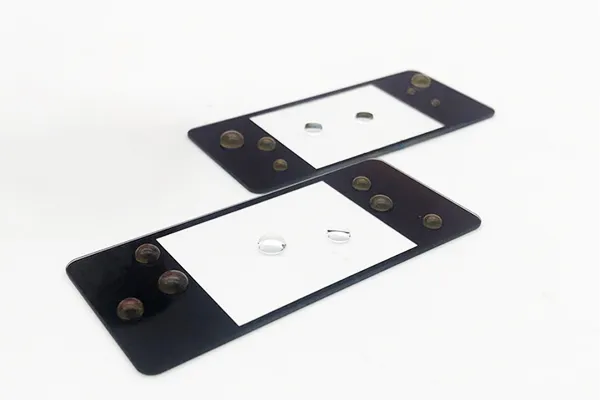
Resistance to Fingerprints and Smudges: Frosted surfaces are less prone to retaining fingerprints, oil marks, and other blemishes, maintaining a clean and pristine appearance and making cleaning easier.
-
Scratch Resistance: Compared to glossy glass, frosted glass is more resistant to scratches and abrasions, preserving its aesthetic appeal over time.
Frosted glass enhances the user experience in terms of touch, visual appeal, and practicality. It also aligns with the trend of slimmer and more aesthetically pleasing electronic product designs, making it an ideal material for casings and screen surfaces in various devices.
Specific Application Examples:
-
Smartphone Back Covers: Devices like the iPhone 11 Pro and Huawei P40 Pro employ frosted glass for a combination of aesthetics and practicality.
-
Laptop Screens: Some high-end laptops, such as the MacBook Pro, feature frosted screens to minimize glare and enhance visual comfort.
-
Tablet Screen Protectors: Frosted screen protectors effectively reduce fingerprint smudging while improving the touch experience for writing and drawing.
Overall, frosted glass finds widespread application in the electronic device industry, and with advancements in materials science, we can anticipate even more innovative applications in the future.
How to Maintain Frosted Glass?
Maintaining frosted glass is easier than you might think, with just a few things to keep in mind: Regular cleaning is key; Wipe the surface with a soft, slightly damp rag and avoid using cleaners with abrasives or rough cleaning tools that may scratch the frosted surface. For stubborn stains, try using diluted white vinegar or a special glass cleaner and rinse well with water. Avoid prolonged contact with hot objects, such as hot pans and hair dryers, to prevent the glass from cracking due to uneven heat. Finally, in order to maintain the beauty of frosted glass, it is recommended to regularly wipe it with a dry microfiber cloth to remove dust and water stains and restore its original luster and texture.What Innovations are Emerging in Frosted Glass Technology?
The frosted glass industry is evolving with several exciting innovations, including:-
Smart Frosted Glass: This technology allows users to switch between frosted and clear states with the touch of a button, offering flexibility in how spaces are used.
- Eco-Friendly Options: New materials and methods are being developed to produce frosted glass that is more energy-efficient and environmentally friendly.





 EN
 FR
 DE
 ES
 PT
 IT
 NL
 DA
 RU
 AR
 TR
 JA
 KO
 ID
 UK
 TH
 VI
 PL
 MS
 ET
 EL