In modern electronic devices, the quality of the glass panel directly affects the user experience. Ultra Clear Glass is an ideal material for glass panel of touchscreens and displays due to its superior transparency and anti-reflective properties.Ultra clear glass glass not only enhances the visual effect, but also enhances the durability of the device. So what exactly is ultra clear glass, and what are its unique benefits and wide range of applications? Next, we will delve into the fascination and value of this glass material.
What is Ultra Clear Glass?
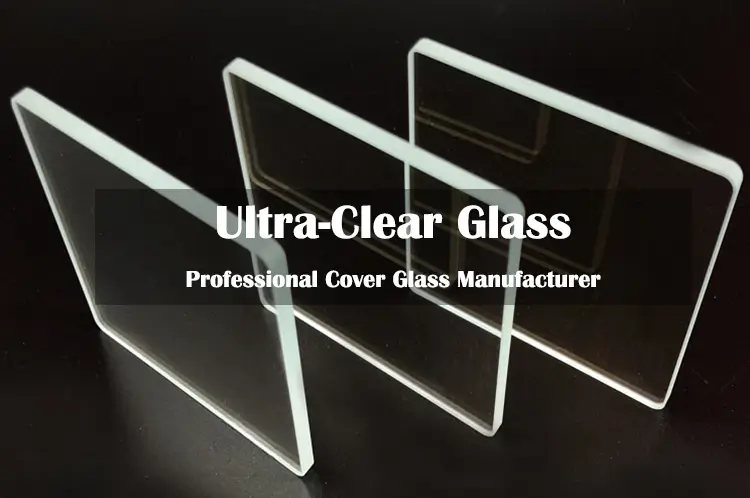
Ultra clear glass, often referred to as low-iron glass or extra-clear glass, is a specialized type of glass characterized by its high transparency and minimal color distortion. It is produced with significantly reduced iron content, resulting in a light transmittance of over 91.5%, which allows for exceptional clarity and brightness. This glass is known for its aesthetic appeal and is often described as the “Prince of Crystal” due to its crystal-like quality.
Benefits of Ultra Clear Glass
Superior Clarity: The low iron content minimizes the greenish tint typically found in standard clear glass, resulting in a nearly colorless appearance that enhances the visibility of objects viewed through it.
High Light Transmittance: With a visible light transmittance greater than 91.5%, ultra clear glass allows more natural light to enter spaces, creating bright and inviting interiors while also promoting energy efficiency.
Color Consistency: The reduced iron levels ensure that the glass maintains a consistent color, making it ideal for applications where true color representation is critical, such as in display cases and aquariums.
Low UV Transmission: Ultra clear glass has lower ultraviolet (UV) absorption compared to standard glass, making it suitable for environments like museums where protecting artifacts from UV damage is essential.
Low Reflectivity: Ultra-white glass has a lower reflectivity than ordinary glass, which reduces glare and reflections and provides a clearer view.
Weatherability and corrosion resistance: Ultra-clear glass has good weathering and corrosion resistance and can maintain its optical properties for a long time.
Versatile Applications: The aesthetic and functional properties make ultra clear glass suitable for a wide range of applications, including architectural projects, furniture design, aquariums, and decorative displays.
Ultra Clear Tempered Glass
Ultra clear tempered glass is a low-iron glass that has undergone a tempering process to enhance its strength and durability. Actually, in today’s market, ultra-clear glass usually refers to ultra-clear tempered glass.
Ultra-clear tempered glass inherits all the advantages of ultra-clear glass and adds the safety enhancements that tempering brings.
High Strength: After tempering treatment, the mechanical strength and impact resistance of ultra clear glass is greatly improved, which can withstand greater external pressure and is not easy to break.
Safety: Even if the ultra-clear tempered glass is broken accidentally, it will be broken into small particles without sharp edges, minimizing the harm to human body and providing higher safety.
Ultra Clear Glass Vs. Standard Glass
Feature
Standard Glass
Ultra Clear Tempered Glass
Iron Content
Higher (greenish tint)
Low (crystal clear)
Strength
Regular strength
5-10 times stronger
Safety on Breakage
Sharp shards
Blunt pieces
Light Transmittance
Lower (around 80-90%)
Greater than 91.5%
Cost
More cost-effective
Generally more expensive
What are the Applications of Ultra Clear Glass?
The high light transmittance and aesthetic properties make ultra clear glass suitable for a variety of applications across different industries. Here are some key areas where ultra clear glass is commonly used.
Architecture and Curtain Walls: It is mainly used for building facades, glass curtain walls, roof lighting, etc., to provide a bright and transparent architectural space.
Solar Energy: It is used as cover glass for solar panels to improve light transmittance and power generation efficiency.
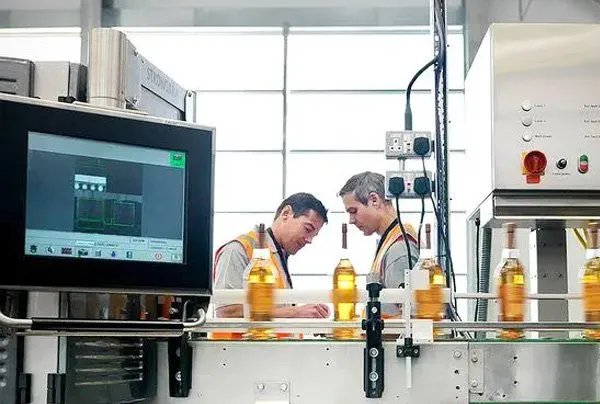
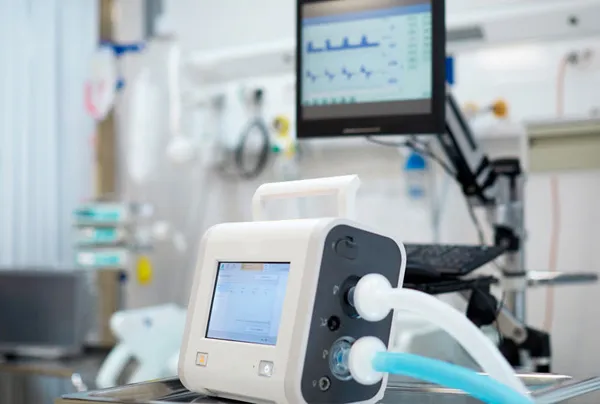
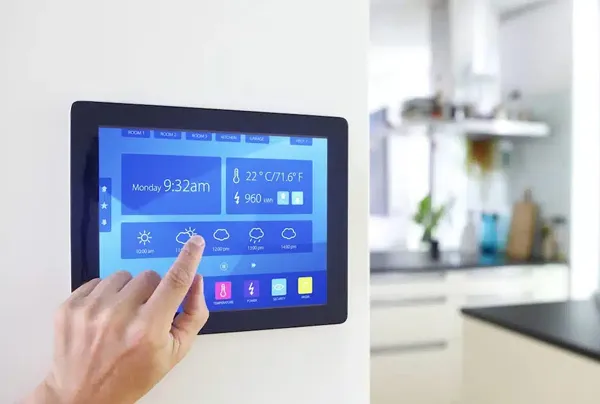
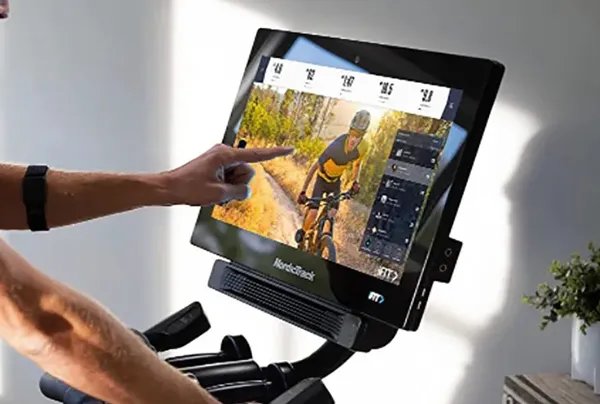
Electronic Displays and Touchscreens: It is used in the displays and touchscreens of high-end cell phones, tablet PCs, TVs, etc. to provide clearer and more vibrant images.
Furniture and Home Decor: It is used for glass table tops, display cases, partitions, etc. to add elegance and modernity.
Art and Museums: It is used in display cases, booths, etc. to protect exhibits and provide the best visual effect.
Which Type of Ultra Clear Glass is Selected for Display or Touchscreen Panels
In the screen display glass industry, aluminosilicate glass, with its high transmittance, excellent optical properties, excellent bending strength and good chemical stability, has become the best choice for the screen display glass industry, and is able to meet the demanding requirements of glass materials for high-end displays.
Custom Ultra Clear Glass for Display or Touchscreen Panels
Extremely High Transmittance: Aluminosilicate glass has a visible light transmittance of over 92%, which is much higher than ordinary ultra-clear glass (about 91.5%). As a result, the screen is able to transmit more light for a brighter, clearer image, while reducing the power consumption of the screen’s backlight and improving the life of the device.
Outstanding Optical Performance: Aluminosilicate glass has excellent optical parameters such as refractive index and Abbe number, which can effectively reduce chromatic aberration and image distortion, ensuring that the color of the picture is authentic and detailed. This is crucial for high-end displays that seek the ultimate visual experience.
Superior Bending Strength: Compared to other types of glass, aluminosilicate glass is chemically strengthened to give it a very high strength, making it more durable, impact resistant, and reducing the risk of screen breakage, especially for mobile devices with thin and light designs.
Good Chemical Stability: Aluminosilicate glass is highly resistant to water, acids, alkalis and other chemicals, which can maintain its optical properties for a long time and prolong the service life of the screen.
Suitable for Chemical Tempering: Aluminosilicate glass is particularly suitable for chemical tempering, which further improves its strength and impact resistance through ion exchange, making it more durable and safer.
In addition to aluminosilicate glass, borosilicate glass is also commonly used in the display industry as an ultra-clear glass with good thermal and chemical stability, and is commonly used in screens with high thermal and impact resistance requirements, such as automotive displays. However, in high-end cell phones, tablet PCs, TVs, etc., aluminum silicate glass dominates with its excellent overall performance.
How is Ultra Clear Glass Manufactured?
Ultra-clear tempered glass production process can be divided into two main stages: ultra-clear glass production and the tempering process.
Ultra-clear Glass Raw Sheet Production
Raw Material Melting
Unlike ordinary glass, ultra-clear glass requires higher purity of raw materials. So the production of ultra clear glass sheet uses high-purity materials such as quartz sand, alumina and sodium oxide, and is required to strictly control the iron content to reduce the greenish hue of the glass.
After mixing the raw materials in proportion, it is fed into the furnace and melted into glass liquid at a high temperature of about 1600°C.
Molding
The commonly used method of molding ultra clear glass is the float process. The molten glass liquid is poured into a tin bath, and the glass liquid floats on the surface of the molten tin liquid and spreads out into a uniform and flat glass strip under its own gravity.
Due to the uniform surface tension of the tin solution, the glass surface is very flat and smooth and does not require much grinding and polishing.
Annealing
The molded glass ribbon is slowly cooled to eliminate the stress inside the glass, improve the mechanical strength and thermal stability of the glass, and prevent self-explosion.
Tempering Process
Ultra Clear Tempered Glass Cutting and Edgeworks
Cutting: Cutting the raw super white glass to the required size.
Grinding: Grind the edges of the cut glass to remove burrs and improve safety.
Cleaning: Thoroughly clean the glass with detergent and water to remove surface stains and impurities to ensure the tempering effect.
Tempering: The cleaned glass is fed into the tempering furnace. Heat the glass above the softening point (approx. 650-700°C) to release the internal stresses of the glass. The glass surface is quickly and evenly cooled with cold air to create a strong compressive stress on the surface and a tensile stress inside the glass, thus significantly increasing the mechanical strength and impact resistance of the glass.
Inspection: After the completion of tempering, the glass needs to undergo strict quality inspection, including appearance, size, strength, stress distribution, etc., to ensure that the quality of the product meets the standard.
The production process of ultra-clear tempered glass is more delicate and complex than that of ordinary tempered glass, especially in the selection of raw materials, melting and annealing, etc. Stricter control is required in order to produce high-quality ultra clear tempered glass.
What is Ultra Clear Glass Price?
The price of ultra-clear tempered glass can be affected by a number of factors, which should be evaluated according to your needs. Below is a list of some of the major influences and the approximate price range of ultra clear tempered glass for display glass applications:
Factors Affecting the Price of Ultra-Clear Tempered Glass
Thickness of the Glass Sheet: The greater the thickness, the more material used and the higher the price.
Glass Size and Shape: Special size and shape need to be customized, the price will be higher than the regular size.
Tempering Process: Different tempering processes (e.g. physical tempering, chemical tempering) have different costs, which will also affect the price.
Processing Accuracy: The higher the requirements for dimensional accuracy, flatness, etc., the higher the processing cost and the higher the price.
Surface Treatment: The need for special surface treatments such as anti-glare, anti-fingerprint, anti-explosion, etc., will affect the final price.
Purchase Quantity: Larger quantities usually result in better prices.
Price of Ultra Clear Tempered Glass for Display Applications
Because of the very high requirements for light transmission, optical properties, surface flatness, etc., ultra-clear tempered glass for display applications is usually made of high-quality alumino-silicate glass with fine processing and surface treatments, and is therefore relatively expensive.
Price for small displays such as cell phones and tablets is around a few dollars to a few tens of dollars.
Price of medium and large displays such as TVs and monitors is between tens of dollars and hundreds of dollars.
The above prices are for reference only, if you need to get an accurate quote, please provide specific information such as size, thickness, shape, processing requirements and quantity. TFT Cover Glass is a professional display cover glass manufacturer in China, we will offer the most competitive quotation based on your specific requirements.
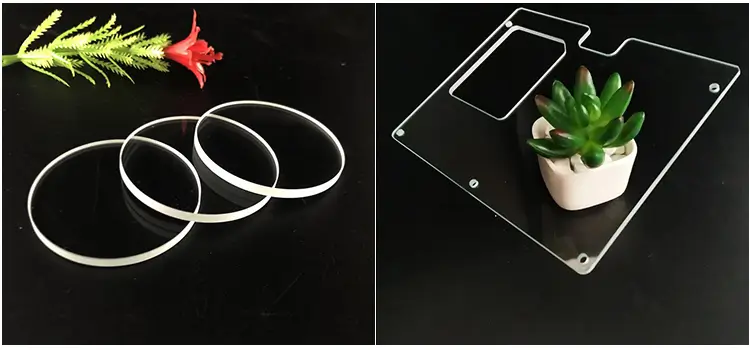
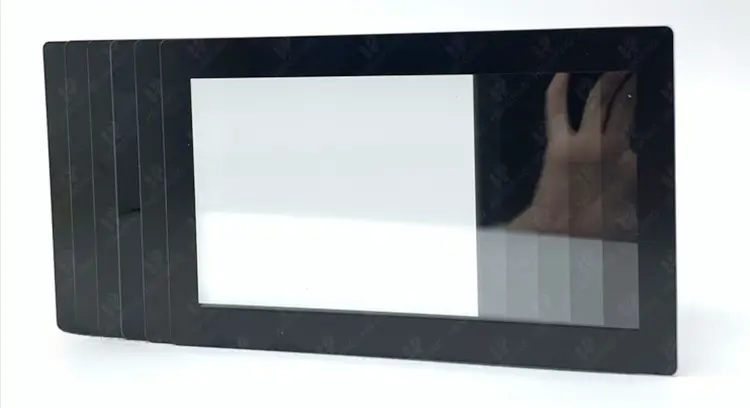
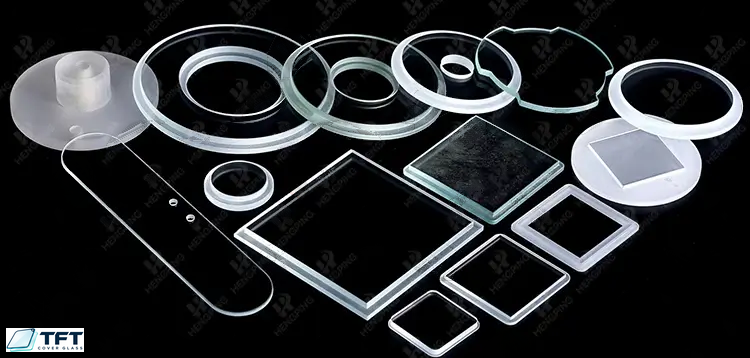
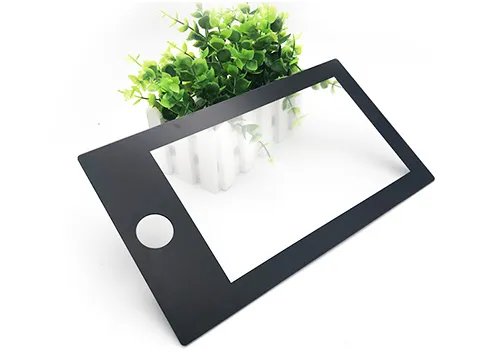
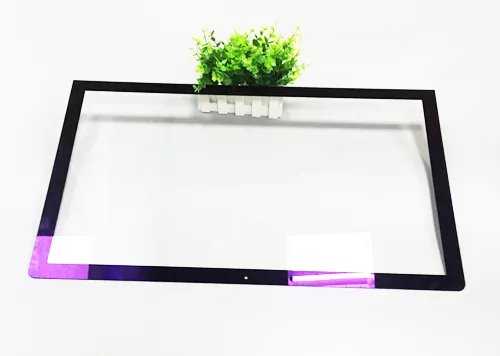
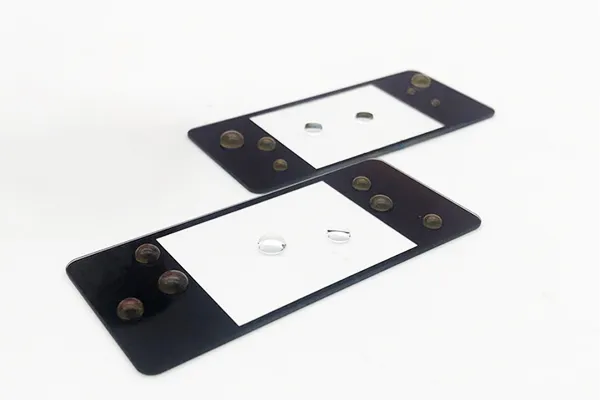
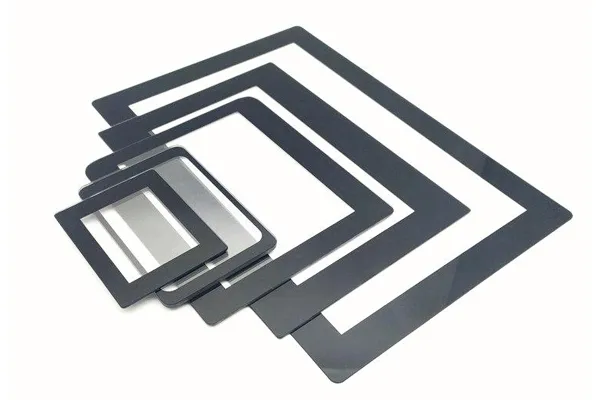
Ultra Clear Glass Provided by TFT Cover Glass
Conclusion
Ultra clear glass is transforming the landscape of high-end displays. Its exceptional clarity, boasting a light transmittance of over 92%, ensures vibrant and true-to-life colors, while its superior strength allows for remarkably thin and durable designs. This translates to a visually stunning experience for users, whether they’re enjoying the latest smartphone, a high-definition television, or a cutting-edge computer monitor.
The future of display technology is undeniably brighter with ultra clear glass. As manufacturers continue to innovate and push boundaries, we can expect to see even thinner, more energy-efficient, and visually breathtaking displays powered by this remarkable material. Choosing ultra clear glass for your next project means embracing the forefront of display technology and delivering an unparalleled user experience.

 EN
 FR
 DE
 ES
 PT
 IT
 NL
 DA
 RU
 AR
 TR
 JA
 KO
 ID
 UK
 TH
 VI
 PL
 MS
 ET
 EL