
This article introduces ceramic ink printing of cover glass panels, one of the most important manufacturing processes for cover glass panels.
Introduction
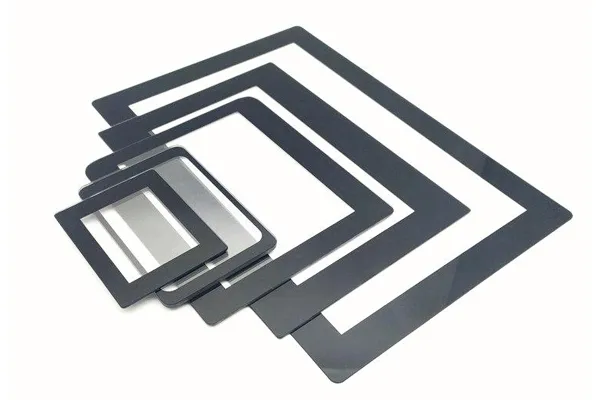
Cover glass, also called cover lens or glass panel, is vital for protecting and enhancing devices, from smartphones to industrial control panels. It serves as a canvas for designs, logos, functional markings, and interactive elements. Printing these features not only boosts aesthetic appeal and brand identity but also provides essential visual cues and operational instructions for various modern devices. A key enabler of the printing on cover glass is the use of specialized inks, and among these, ceramic ink is a crucial player in the cover glass printing, especially for outdoor application.
This article explores the role of ceramic ink in cover glass manufacturing, focusing on its unique properties, the printing process, and its various applications. We will explain why ceramic ink is the preferred choice for many outdoor cover glass applications and how it contributes to the durability and functionality of the final product. This article aims to provide valuable insights for product designers, mechanical engineers, and specialized manufacturers.
What is Ceramic Ink?
Ceramic ink is a specialized formulation designed for printing on ceramic substrates and glass. It is composed of inorganic pigments, frits (low-melting glass), and other mineral components suspended in a carrier medium. Applied through methods such as screen printing and digital inkjet printing, Ceramic inks are engineered to withstand high firing temperatures in kilns. During firing, the carrier burns off, and the frits melt to fuse the pigments permanently onto the surface of ceramic or glass.
The resulting image is exceptionally durable, offering resistance to heat, chemicals, abrasion, and UV light, making ceramic inks essential for both decorative and functional applications across a broad range of ceramic products and glass products.
What is Ceramic Ink Printing for Cover Glass?
In the manufacturing of cover glass panels, printing is a crucial process as it creates durable, long-lasting designs and markings that are resistant to wear, chemicals, and environmental factors, ensuring the product’s longevity. To achieve high-quality printing effects and functional requirements, there are several types of inks commonly used for cover glass panels: Epoxy Ink, UV Ink, IR Ink, Metallic Ink, and Ceramic Ink. And ceramic ink is the preferred choice for cover glass in outdoor applications due to its superior durability and permanent adhesion to glass panels.
Common Ink Printing Process VS. Ceramic Ink Printing Process
Ceramic ink is actually a specialized high temperature ink for cover glass printing. The production process of ceramic ink printed glass panels is a little different from that of ordinary inks since the ceramic ink printing should be incorporated with physical tempering process.
- Common Ink Printed Cover Glass:
Glass Cutting – Tempering (Chemical or Physical) – Printing – Curing - Ceramic Ink Printed Cover Glass
Glass Cutting – Printing – Physical Tempering
As mentioned above, the main difference between the two is that one involves printing after tempering, while the other involves tempering after printing. Physical strengthening should be used in conjunction with ceramic ink printing to produce glass panels with ceramic ink prints.
Requirements of Ceramic Ink Printing on Glass Panels
Ceramic ink is a special ink, and its printing on glass panels requires more specific conditions and considerations. These include precise temperature control during the firing process, proper surface preparation, and compatibility with glass strengthening techniques. In addition, there are other requirements need to consider when designing the cover glass panels.
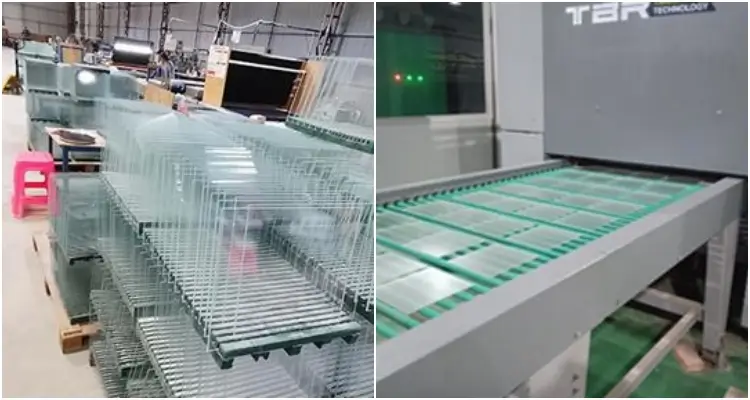
- Glass Thickness: >3mm;
If the thickness is less than 3mm, the glass sheet is easy to break through high temperature processing/
- Glass Size: >5 Inches;
Glass panels smaller than 5 inches are not thick enough to maintain the gap between the rollers in the tempering furnace, which can cause them to fall off.
- Printing Colors: Black or White;
The ceramic inks used for glass are only available in black and white. If other colors are needed for printing, it is best to choose low-temperature inks.
How Ceramic Ink Printing is Applied to Glass Panels?
Achieving durable, high-quality prints on glass panels using ceramic ink involves a multi-stage process that combines precise application techniques with high-temperature firing. The process begins by formulating a specialized ceramic ink, which consists of finely ground glass particles (frits), pigments for color, and binding agents. This carefully prepared ink is then applied to the glass surface using specialized printing methods. Screen printing is a common technique, which requires precise control over ink layer thickness and coverage to ensure consistent color and print quality across the panel. This careful application is crucial before the high-temperature firing stage.
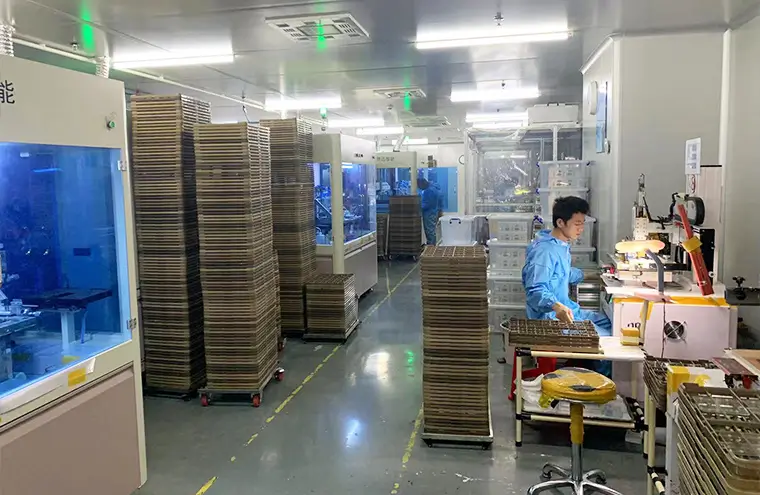
Following the precise application of ceramic ink, the glass panel undergoes a critical high-temperature process that integrates both the firing of the ink and the physical tempering of the glass. This process involves rapidly heating the glass panel, typically to around 680°C (1256°F), within a matter of minutes. This intense heat serves a dual purpose: it causes the ceramic ink to fuse permanently with the glass surface, and it simultaneously induces the physical strengthening process known as tempering. The rapid heating is immediately followed by a rapid and controlled cooling process. This rapid thermal cycle causes the ink’s glass particles to melt, creating a chemical bond with the surface of the glass itself.
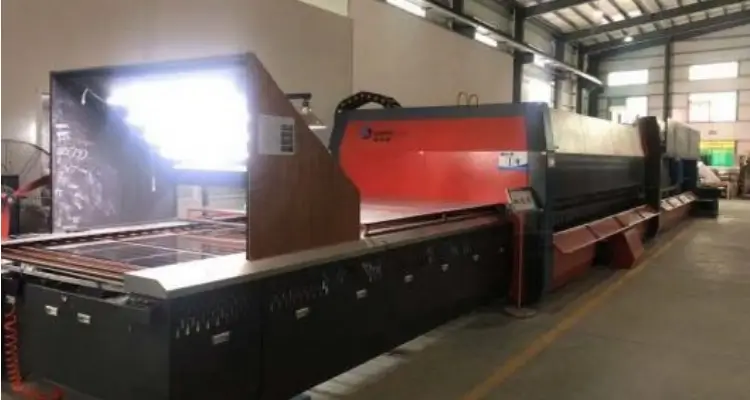
During the tempering process, the outer surfaces of the glass are placed under compression, significantly increasing its strength and resistance to breakage. Because the ceramic ink is fired at the same time as the tempering, it is essentially integrated into the physically strengthened glass structure. The result is a printed design that is not merely adhered to the glass, but becomes an integral part of the glass, exhibiting exceptional adhesion, durability, and resistance to scratches, abrasion, chemicals, and environmental stresses. This combined process of ink firing and physical tempering ensures both the aesthetic and functional integrity of the cover glass panel.
What‘s Advantages and Disadvantages of Ceramic Ink Printed Cover Glass Panels?
Ceramic inks are highly preferred for cover glass printing due to their exceptional durability and compatibility with glass processing.
Advantages of Ceramic Ink Printed Cover Glass Panels
- Exceptional Durability and Longevity
- Superior Adhesion: The ceramic ink fuses with the glass surface at high temperatures, creating an extremely strong bond that is resistant to scratching, peeling, and abrasion.
- Environmental Resistance: The ink withstands UV radiation, temperature fluctuations, humidity, moisture, and chemical exposure without fading or degrading. This is crucial for long-lasting performance, especially in outdoor applications.
- Impact Resistance (when tempered): When combined with tempered glass, the printed panel is more resistant to impacts and breakage.High-Quality Print and Visuals:
- Functional Versatility
- Conductivity: Specialized ceramic inks can be formulated to be conductive, allowing for the integration of touch sensors, heating elements, and other electrical functions directly onto the glass.
- Anti-Glare/Anti-Reflective: Additives can be included to reduce glare and reflection, enhancing display visibility in bright environments.
- Privacy Filters: Specific ink patterns can create privacy filters, limiting viewing angles.
- UV Blocking: Some ceramic inks can be formulated to block harmful UV radiation.
- Easy Cleaning: The smooth, fused ink surface is easy to clean and resistant to stains.、
- Vibrant and Opaque Colors
- Ceramic inks offer rich, saturated colors that are highly opaque, providing clear and readable text and graphics, even on dark or reflective glass.
- Precision and Detail: The printing process allows for high precision and fine details, accommodating complex designs, logos, and intricate patterns.
- Color Consistency: Ceramic inks provide excellent color matching and batch-to-batch consistency, maintaining a consistent visual appearance across multiple panels.
- Customizable Designs: Enables a wide range of design options, from simple graphics to complex patterns and gradient effects.
- Compliance
- RoHS Compliance: Many ceramic inks are compliant with Restriction of Hazardous Substances (RoHS) regulations.
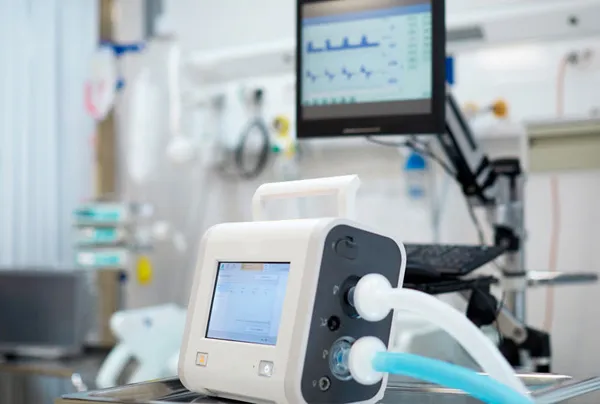
- Medical standards: Certain ceramic inks are formulated to meet medical industry standards.
Disadvantages of Ceramic Ink Printed Cover Glass Panels
Although ceramic ink printing offers many advantages for glass panels, it is not necessary for all glass panels, as its production process is relatively complex, its cost is higher and has limitations on the designs.
- Higher Manufacturing Costs
The ceramic ink printing process is technically integrated with It requires with physical strengthening process. However, the physical tempering process is typically not conducted in a dust-free environment, which can lead to defects such as spots or foreign particles on the glass panels during production. This results in a lower yield and, consequently, higher production costs. - Reduced Impact Resistance
During the physical tempering process, the high temperatures cause the glass to expand, which can lead to the ink seeping into the glass surface. This can alter the glass structure, reducing its toughness and weakening its impact resistance. (Read more: IK10 Glass >>) - Design Limitations
As before mentioned, the color for ceramic ink printing on cover glass is now limited, white and black is mostly used, no other color options. In addition, there are also some limitation for the cover glass panels, the recommended thickness is more than 3mm, and the recommended size is more than 5 inches. These factors may limit the design options for the glass panels.
Ceramic Ink Vs. Organic Anti-UV Ink for Cover Glass Panels
Since ceramic ink is best suited for applications that demand high durability, scratch resistance, chemical resistance, and outdoor environmental performance. For lower-cost or less demanding products that do not require these specific properties, using other types of inks (such as UV ink or water-based ink) may be more economical and efficient. Here is a comparison between ceramic ink and anti-uv ink for cover glass panels printing.
| Comparison Category | Ceramic Ink | Organic Anti-UV Ink |
| Material Composition | Glass Frit | Organic Resin |
| High Temperature Resistance | 600~750°C | <200°C |
| Curing Method | High-temperature Sintering on the Glass Surface | Oven, Tunnel Furnace, or Air Dry |
| Ink and Glass Adhesion | >5B | >4B |
| Surface Dyne | 36 | 36 |
| Anti-UV Aging Ability | >1000H@340nm | >1000H@340nm |
| Outdoor Sunlight Aging Solar Test | 24 days, No Abnormality | 24 days, No Abnormality |
| High Temperature and High Humidity | 60°C, 90% RH, 240 HRS, No Abnormality | 60°C, 90% RH, 240 HRS, No Abnormality |
| Thermal Shock Test | -30°C (30 min) → 80°C (30 min) / 1 CYCLE, total 50 CYCLES, No Abnormality | -30°C (30 min) → 80°C (30 min) / 1 CYCLE, total 50 CYCLES, No Abnormality |
| Estimated Outdoor Service Life | >5 Years | About 5 Years |
| Application Scenarios | Automotive Window Glass; Cover Glass in Industrial Control Panels; Glass Panels in Outdoor Applications; | Cover Glass Panels for Consumer Electronics; Glass Panels for Touch Screens; Cover Glass in Industrial Control Panels; |
If there are any questions about choosing inks for your cover glass panels, just contact us directly, our technical team will offer more information for your reference.
What is the Application of Ceramic Ink Printed Cover Glass?
Ceramic ink printed cover glass is exceptionally well-suited for outdoor applications, providing a combination of durability, weather resistance, and long-term performance. Here are some typical applications:
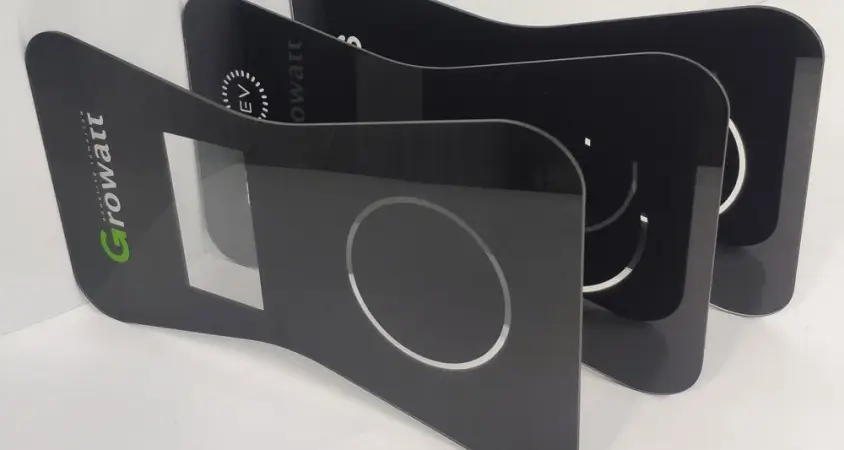
Industrial Control Panels and Instrumentation
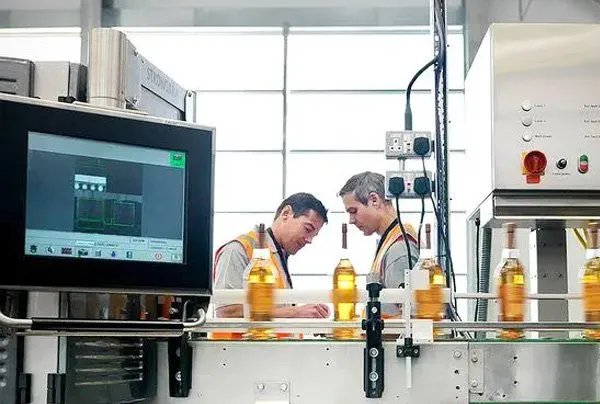
- Industrial Equipment: For control panels of machinery and equipment operating in outdoor environments. Ceramic ink can be a great choice since it can be resistant to UV light, temperature changes and chemical contact.
- Renewable Energy Installations: On control panels of solar panels and wind turbines that are exposed to harsh conditions.
- Charging Piles: Charging piles are usually installed outdoors in the face of sunlight, rain, and other natural elements. The UV and corrosion resistance of ceramic inks makes them ideal for use in charging pile glass panels, ensuring long-term clarity and durability.
- E-Bike and Scooter Charging Docks: Similarly, these charging docks require durable and weather-resistant panels for displaying instructions and providing a user interface.
Outdoor Applications
- Outdoor Digital Signage: This is a major application, such as transportation hubs, retails and commercial spaces, large format displays and more.
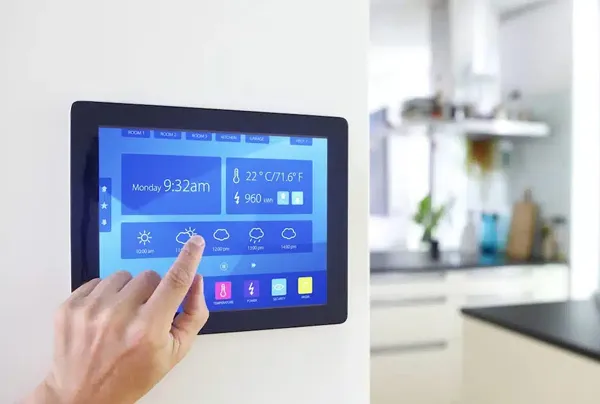
- Interactive Kiosks: In outdoor environments, ceramic ink printed cover glass provides robust protection for touch-sensitive kiosks used for ticketing and information, tourist information, outdoor ordering systems and more.
Conclusion
Ceramic ink stands as a vital material in cover glass production, distinguished by its exceptional durability and permanent adhesion achieved through high-temperature firing. This process creates printed elements that resist scratching, ultraviolet light, chemicals, and fading, ensuring long-term reliability and visual integrity. However, the ceramic ink printing process requires more complex technical expertise and careful integration with other glass processing methods, such as physical tempering.
To ensure the best results, it’s essential to collaborate with experienced manufacturers who specialize in ceramic ink applications for glass panels. For more information or assistance with your cover glass printing needs, feel free to contact us. Our team of experts is ready to guide you through the process and help you achieve the highest-quality results for your cover glass panels.


 EN
 FR
 DE
 ES
 PT
 IT
 NL
 DA
 RU
 AR
 TR
 JA
 KO
 ID
 UK
 TH
 VI
 PL
 MS
 ET
 EL