Introduction
In today’s technology-driven society, a world without cover glass seems almost unimaginable. From the sleek screens of our smartphones to the interactive displays on our appliances, cover glass panels play a crucial role in protecting delicate internal components while providing a smooth, user-friendly interface. Given its importance in both the aesthetics and functionality of devices, silkscreen printing is a key process for glass panels manufacturing: a technique that enhances both the visual appeal and practical utility. Silkscreen printing, in fact, is not just about decoration, but a crucial element in the appearance and functionality of many devices.
This article aims to provide a comprehensive guide to silkscreen printing on cover glass panels, covering its purpose, advantages, process, types, and challenges. Whether you’re an engineer seeking manufacturing insights, a designer exploring creative applications, or simply curious about the processes behind your everyday devices, this guide will provide valuable information.
What is Cover Glass?
Cover glass, also called cover lens or glass panel, refers to a protective layer of transparent material placed over a display, screens, sensor, or other sensitive component. Its primary function is to shield the underlying elements from physical damage, such as scratches, impacts, and abrasions. Beyond protection, cover glass also contributes to the device’s overall aesthetic appeal and user interaction. It acts as the outermost surface that users directly touch and view, requiring a balance of durability, clarity, and tactile feel.
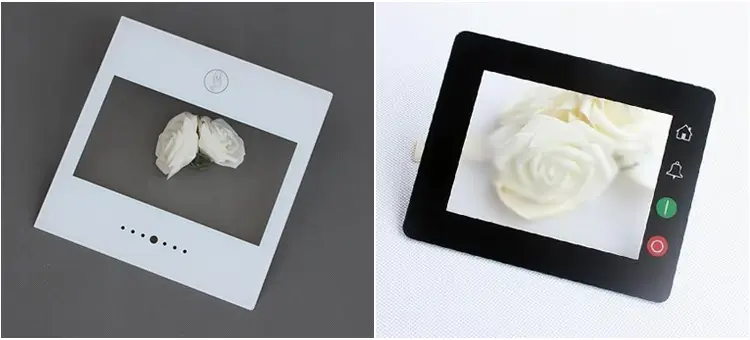
Cover glass is more than just a piece of transparent material; it’s a carefully engineered component designed to meet specific performance requirements. Its core functions include:
- Protection: Shielding internal components, such as LCD or OLED displays, from scratches, impacts, dust, and other environmental factors.
- User Interface: Providing a smooth, responsive surface for touch interaction in touch-enabled devices.
- Aesthetics: Contributing to the device’s visual appeal with a clean, polished, and often seamless appearance.
- Optical Clarity: Ensuring the displayed content is clear, vibrant, and not distorted by the protective layer.
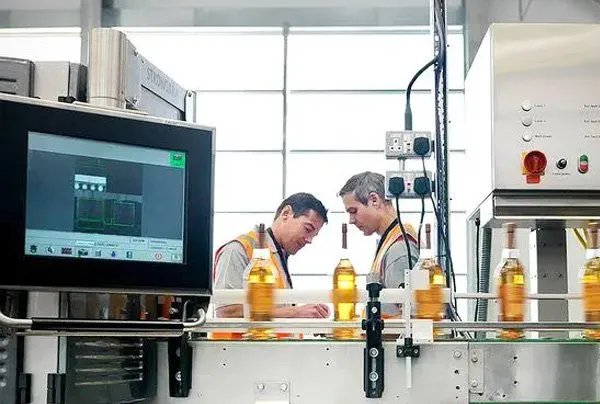
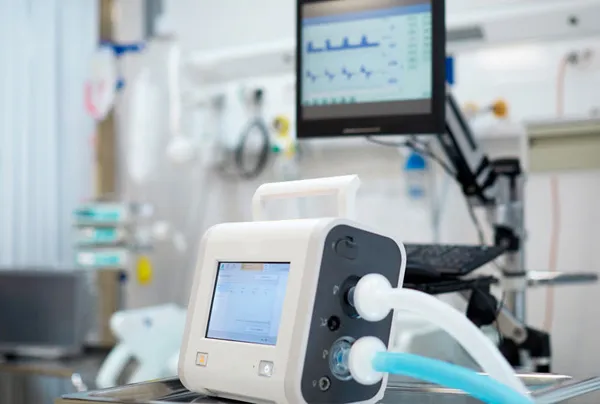
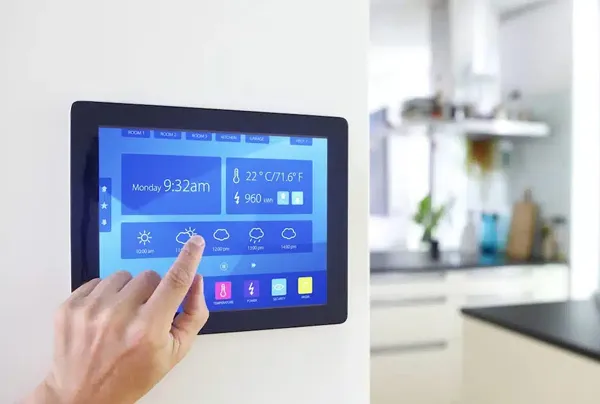
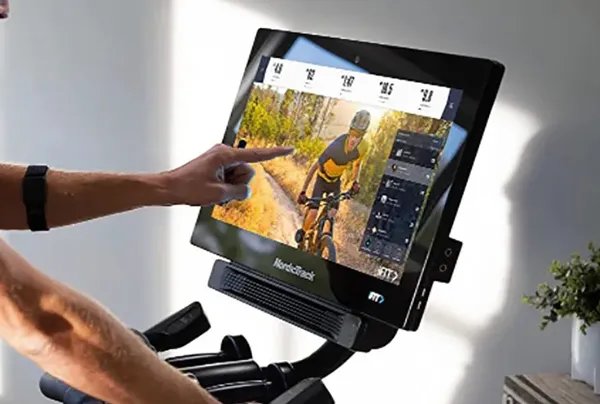
Cover glass finds application across a wide spectrum of devices, including but not limited to smartphones, tablets, laptops, monitors, displays, touchscreen devices, wearable devices, smart home and security devices, automotive displays, medical devices, industrial control panels and more.
What is Silkscreen Printing on Cover Glass?
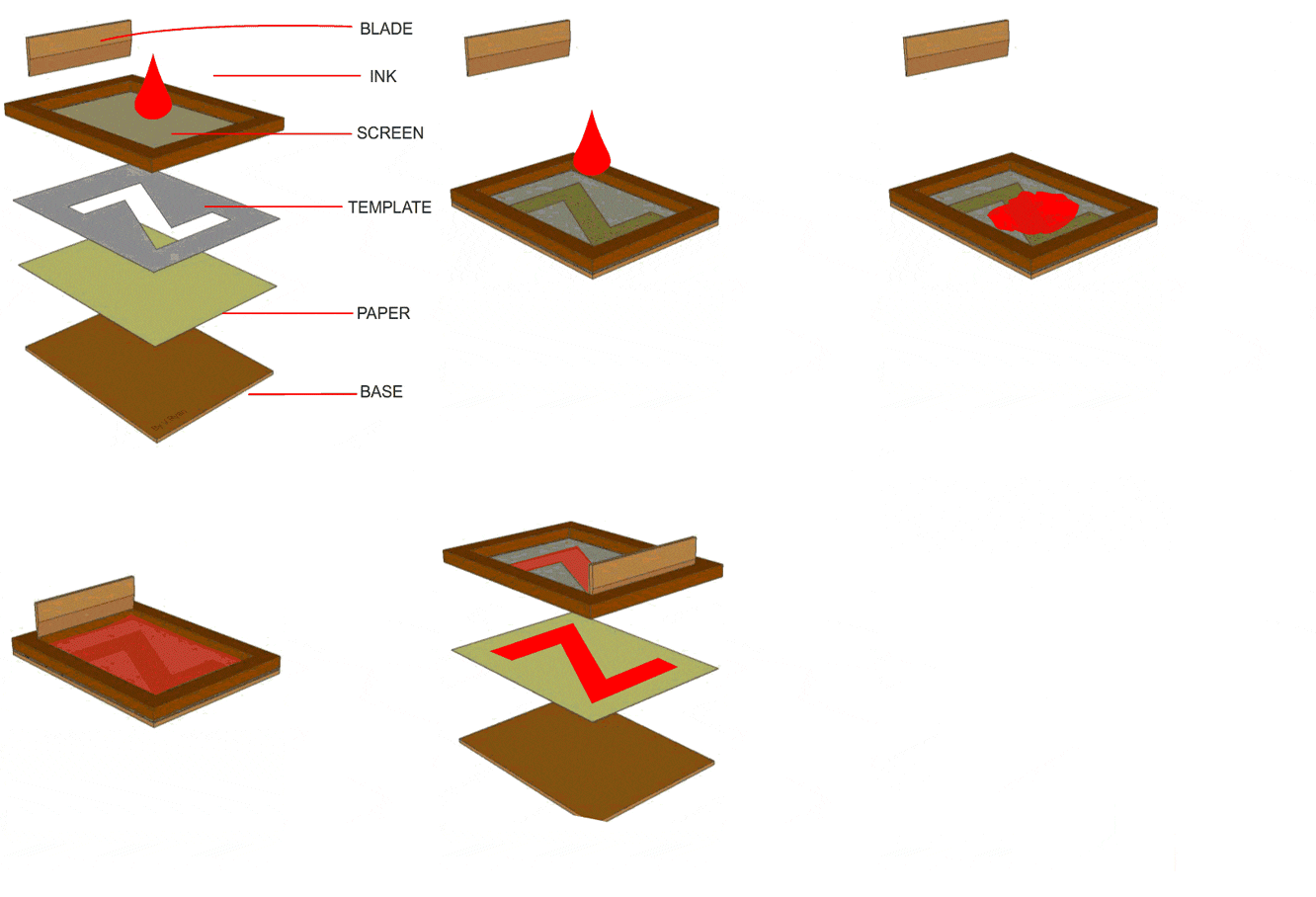
Silkscreen printing, also known as screen printing, is a versatile stencil printing technique used to transfer a precisely defined image onto a substrate. A mesh screen, typically made of synthetic fabric or stainless steel, is stretched tightly over a frame. A stencil is created on the screen using a photosensitive emulsion, blocking ink passage in the non-image areas while allowing ink to pass through the open areas. Ink is then forced through the screen using a squeegee, depositing the desired image onto the substrate below. The process is adaptable to a wide range of materials and allows for precise control over ink thickness, color, and application, making it ideal for both functional and decorative purposes.
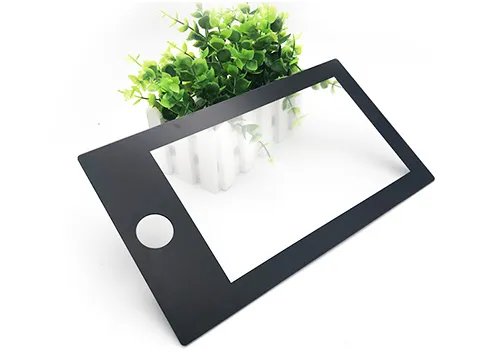
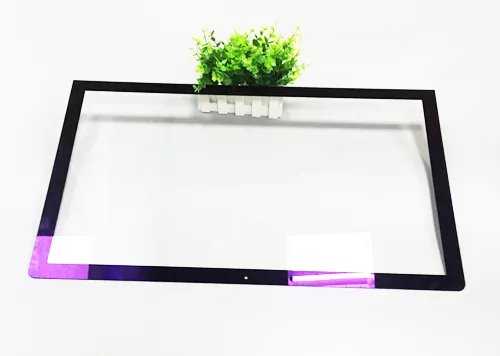
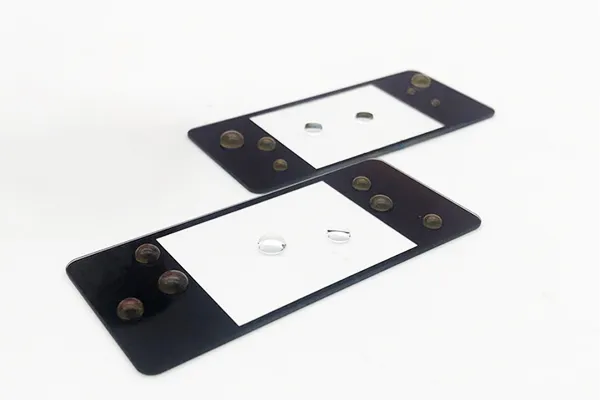
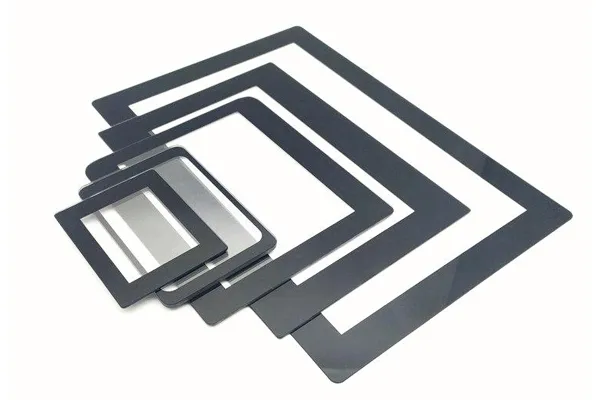
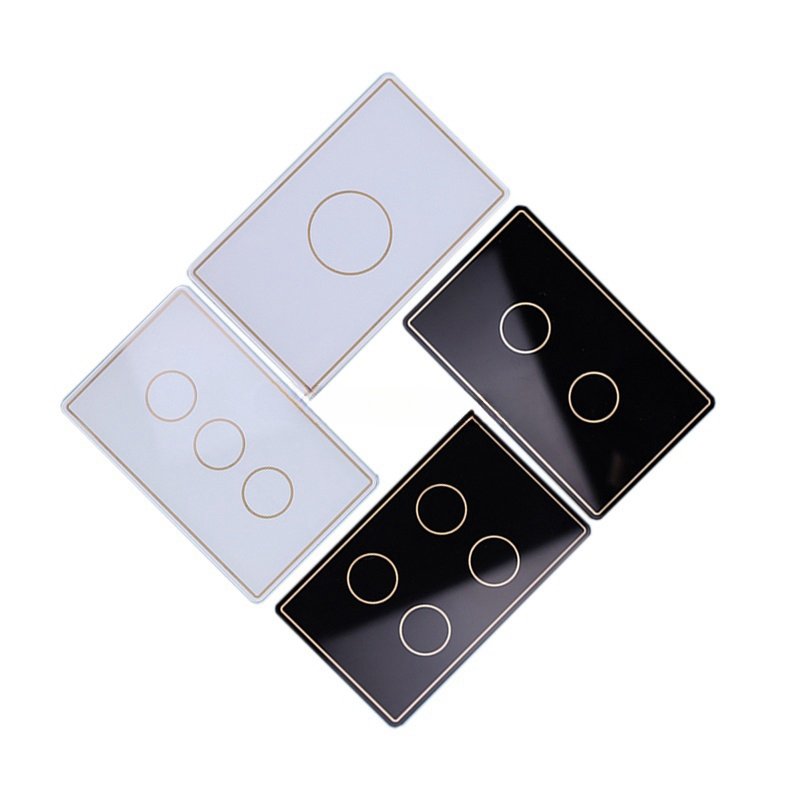
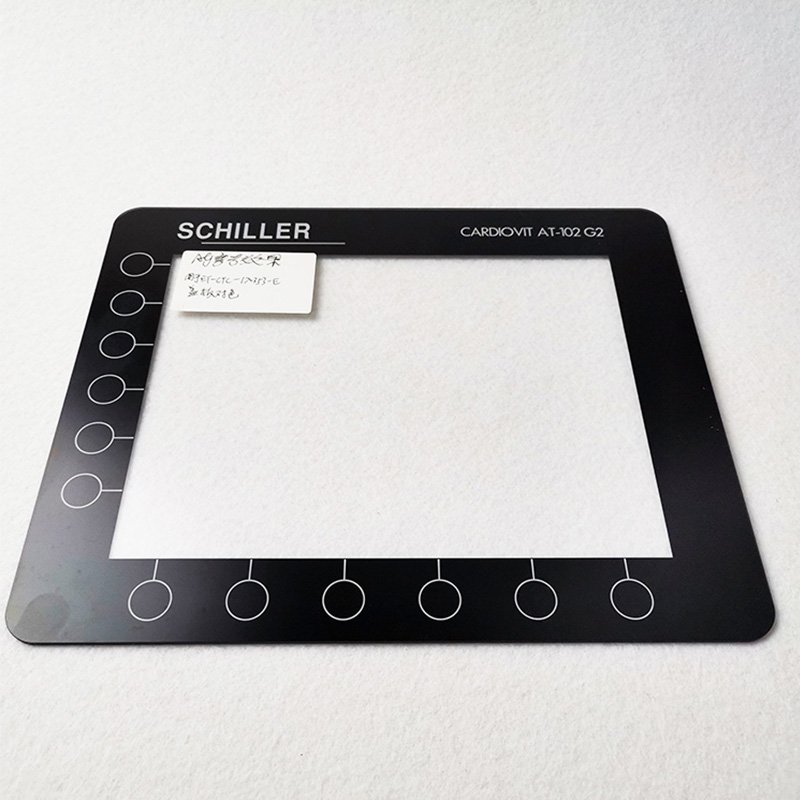
Silkscreen printing on glass panels refers to the process of creating a colored border or printing patterns, logos, and symbols around the perimeter of a display cover glass. This technique enhances the appearance of the display device, improves user interaction, and helps to highlight brand identity.
Silkscreen printing on cover glass combines the protective and aesthetic qualities of cover glass with the precise and versatile printing capabilities of silkscreening, which enables manufacturers to create both visually appealing and functionally enhanced products.
Advantages of Silkscreen Printing on Cover Glass
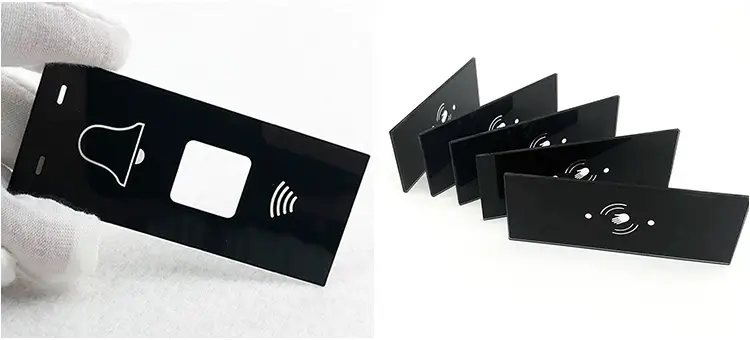
- Durability: Wear-resistant, scratch-resistant, chemical-resistant
- High Precision: Ability to achieve fine patterns and lines
- Color Versatility: A wide range of color options available
- Cost-effective: Suitable for mass production
- Environmentally Friendly: Some inks and processes are more environmentally friendly
Silkscreen Printing Process on Cover Glass Panels
Screen printing on glass panels is a rigorous and precise process that encompasses multiple critical steps, from design to final product. Each step requires specialized techniques and strict quality control to ensure a high-quality silkscreen printed glass panel that meets customer requirements. The following is a simplified introduction to the process of screen printing on glass panels.
Pre-Press Preparation
Pre-press preparation involves meticulous plate-making and glass substrate preparation, serving as the foundation and core of the silkscreen printing process. The quality of this stage is directly linked to the final printing results.
Design and Film Output
First, according to the design requirements, use professional software to create the pattern or text to be printed, and output it to film. The film is a transparent sheet where the patterned areas are transparent and the non-patterned areas are opaque, acting as the “negative” for printing.
Screen Plate Making
This is the key step in converting the design into a printable template.
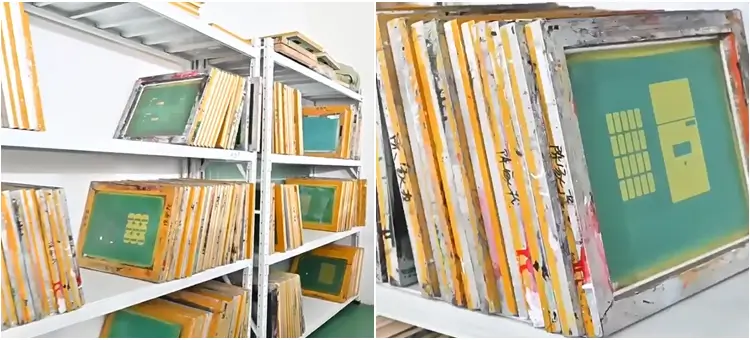
- Mesh Selection: Select the appropriate screen mesh material and mesh count based on the detail of the printed pattern, ink characteristics, and production needs. Common mesh materials include synthetic fibers, stainless steel, and natural fibers. The higher the mesh count, the finer the mesh, suitable for printing detailed patterns. Glass panel screen printing typically uses a mesh count of 270-300.
- Frame Selection and Preparation: Choose a screen frame with sufficient strength and rigidity to ensure the screen does not deform during printing. Aluminum alloy frames are commonly used. The frame size should be slightly larger than the printed pattern, usually with a margin of 70-100mm between the outer edge of the pattern and the frame.
- Mesh Stretching: The selected mesh is stretched and fixed tightly onto the frame with uniform tension. Stretching methods include manual, mechanical, and pneumatic, with pneumatic stretching machines capable of providing more uniform tension to produce high-quality screens. The key requirements for stretching are uniform tension, perpendicularity of the warp and weft threads, and secure adhesive bonding.
- Photosensitive Emulsion Coating: In a darkroom environment, the photosensitive emulsion is evenly coated onto the stretched screen. High-quality emulsions should have good plate-making properties, be easy to coat, have a photosensitive spectral range of 340-440nm, good developing properties, high resolution, good stability, easy storage, and be environmentally friendly and non-toxic. Usually, two coats are applied to ensure uniformity.
- Drying: The emulsion-coated screen is thoroughly dried in a darkroom.
- Exposure: The dried screen is placed in close contact with the output film and exposed to ultraviolet light. The light penetrates the transparent areas of the film, causing the emulsion to undergo a photochemical reaction and harden. The opaque areas of the film block the light, leaving the underlying emulsion unhardened.
- Development: The exposed screen is washed with water or a special developer solution, dissolving and washing away the unhardened emulsion. The hardened emulsion remains, forming a stencil with open areas that perfectly match the pattern on the film.
- Drying and Touch-up: The developed screen is dried, and the plate surface is carefully inspected. Any defects or damage are repaired to ensure print quality.
Glass Substrate Preparation:
- Cutting and Sizing: According to the product drawings and size requirements, specialized equipment is used to cut the flat glass into the required shapes and sizes, whether regular or irregular.
- Edge Processing: The edges of the cut glass are chamfered and ground to remove sharp edges, improve safety, and provide a smoother surface for subsequent printing.
- Cleaning and Drying: The edged glass is thoroughly cleaned to remove oil, fingerprints, glass debris, and other contaminants, ensuring that the ink can adhere well to the glass surface. After cleaning, it must be dried to prevent residual water from affecting print quality.
Screen Printing
Silkscreen printing is the core process of ink transfer and pattern formation.
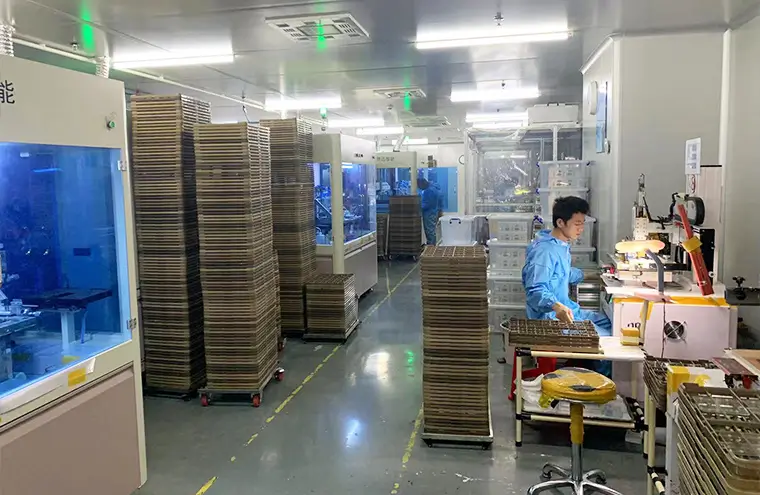
Printer Selection and Adjustment
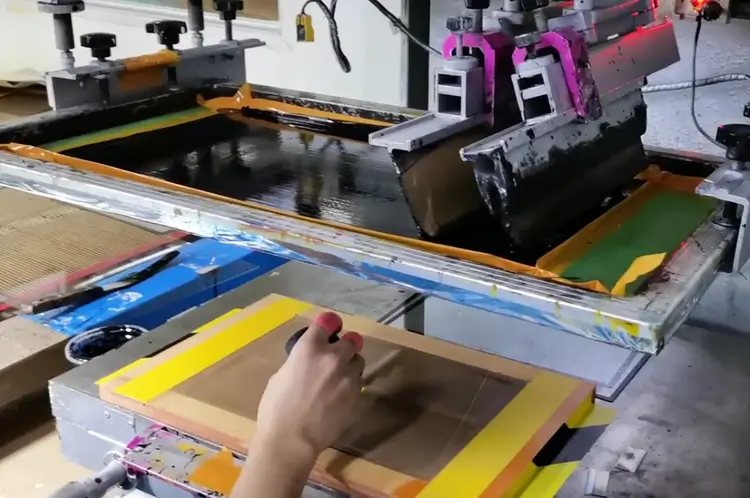
Based on the production volume, glass size, and printing accuracy requirements, choose the appropriate screen printing machine. Flat glass printing machines are mainly divided into three types: manual, semi-automatic, and fully automatic. Manual printers are suitable for small batches or special process requirements; semi-automatic printers are suitable for medium batches; fully automatic printers are suitable for large-volume, high-efficiency production and can achieve multi-color overprinting. Before installing the screen, the printer needs to be precisely adjusted, including setting the printing pressure, squeegee angle, printing speed, and other parameters.
Screen Installation and Registration
The completed screen plate is accurately mounted on the printer, and precise registration adjustments are made according to the position of the glass substrate to ensure that the printed pattern is accurately positioned on the glass. For multi-color printing, more precise registration operations are required to ensure accurate overlapping of each color pattern.
Ink Preparation and Squeegee Application
Based on the color and performance requirements of the printed pattern, the appropriate screen printing ink is selected and mixed by a professional ink technician to ensure the ink color meets the standard. Flat glass screen printing has high requirements for ink, not only requiring fine lines but also compliance with environmental standards such as RoHS.

Depending on the curing method, inks can be divided into high-temperature and low-temperature inks. Low-temperature inks are commonly used for screen protector cover glass, providing bright colors and good visual experience. The prepared ink is evenly applied to the screen plate, and then a squeegee is used with appropriate pressure and angle to scrape along the surface of the screen, forcing the ink through the open areas of the screen and accurately transferring it to the surface of the glass substrate below, forming the desired pattern or text.
Post-Press Processing
Ensuring Durability and Aesthetics of the Printed Pattern
Ink Curing
The ink just printed on the glass surface is liquid and has weak adhesion. It needs to be cured to firmly adhere to the glass surface and possess the required abrasion resistance, scratch resistance, chemical resistance, and other properties.
- Drying/Sintering
The ink curing method depends on the type of ink. For low-temperature inks, a drying method is usually used, where the printed glass is placed in an oven and baked at a set temperature to evaporate the solvent in the ink and crosslink the resin. The baking temperature is usually around 200°C. For high-temperature inks (such as ceramic inks), sintering in a higher-temperature tempering furnace is required to melt the ink and fuse it with the glass surface, forming a permanent pattern.
Quality Inspection
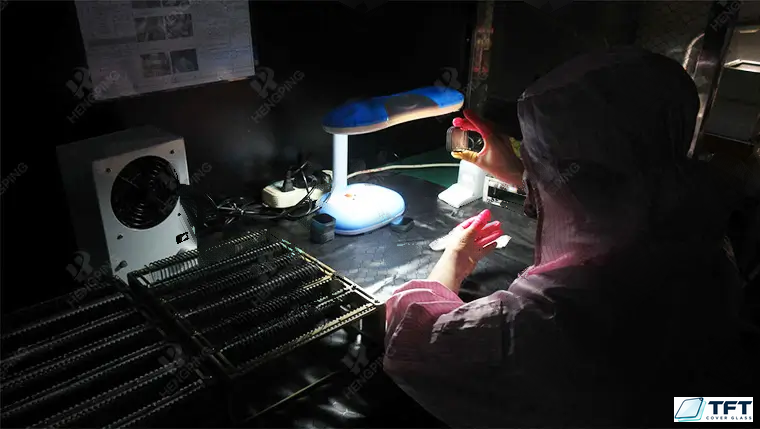
The cured glass panels are fully inspected for quality, checking whether the position of the printed pattern is accurate, the color is uniform, the edges are clear, and whether there are any defects such as bubbles, missing prints, or smudges.
Cleaning and Packaging
The inspected glass panels are cleaned to remove any dust or residue, and then carefully packaged to prevent damage or scratches during transportation. The choice of packaging materials and methods also needs to be considered based on the size, shape, and transportation requirements of the glass.
Glass Panel Silkscreen Printing Types
Generally, cover glass panel manufacturing factories are equipped with semi-auto silkscreen printing equipment and fully automatic silkscreen printing line.
Semi-Automatic Screen Printing
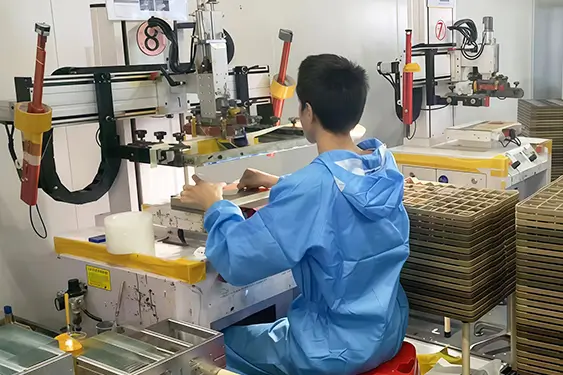
Semi-automatic screen printing bridges the gap between manual and fully automated processes. In this method, the printing stroke—the action of the squeegee moving across the screen to transfer ink—is automated. However, operators are still required to manually load and unload each glass panel. This approach offers a good balance of increased efficiency compared to manual printing while retaining flexibility for different jobs.
Fully Automatic Screen Printing
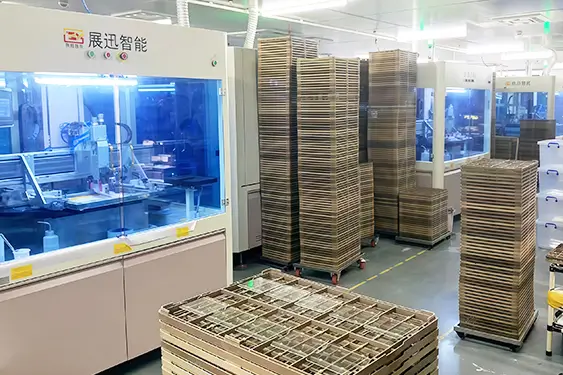
Fully automatic screen printing represents the highest level of automation in the screen printing process. These sophisticated systems automate every step, from loading the glass panels onto the printing table to precisely aligning them, executing the print stroke, and finally unloading the finished product. This results in significantly higher production speeds and consistent print quality with minimal manual labor.
Semi-Automatic Silkscreen Printing Vs. Automatic Silkscreen Printing
| Feature | Semi-Automatic | Fully Automatic |
| Automation | Printing stroke automated, manual loading/unloading | Fully automated loading, printing, and unloading |
| Throughput | Moderate | High |
| Labor | Higher | Lower |
| Investment Cost | Lower | Higher |
| Flexibility | Higher | Lower |
| Best For | Medium-volume runs, frequent job changes | High-volume, standardized production |
Ultimately, the choice between semi-automatic and fully automatic screen printing depends on the specific production needs, including volume, budget, flexibility requirements, and desired level of automation.
Future Trends and Development Directions in Silkscreen Printing on Cover Glass
The future trends in silkscreen printing on cover glass panels focus on sustainability and enhanced performance. New ink development emphasizes eco-friendly options like water-based, low-VOC UV-curable, and bio-based inks, alongside advanced pigments for improved vibrancy and durability. Automation and digitalization are driving increased precision and efficiency through automated lines, digital screen making (CTS), real-time monitoring, and Industry 4.0 integration with AI-powered quality control.
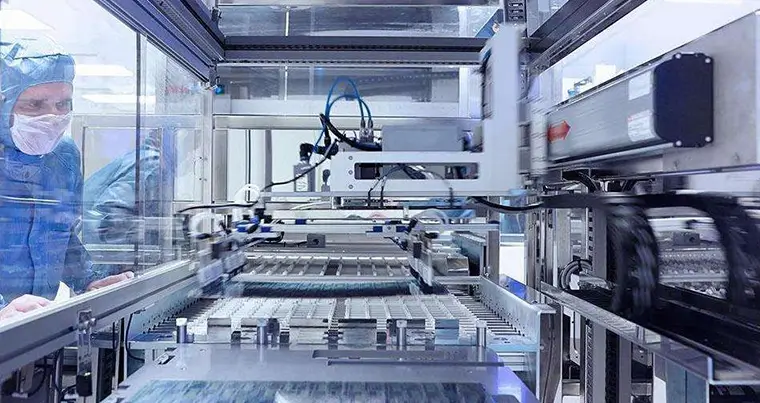
The industry is adapting to new materials, particularly flexible glass, requiring flexible and durable inks and printing techniques. Finally, sustainable practices are crucial, focusing on waste reduction, energy efficiency, improved waste management, and lifecycle assessments to promote a circular economy. These advancements aim to meet evolving industry needs with a focus on both performance and environmental responsibility.
5 FAQs about Silkscreen Printing on Cover Glass Panels?
Below is a list of common questions that our clients frequently have regarding silkscreen printing on cover glass panels.
What Types of Inks Can Be Used for Cover Glass Panels?
The selection of the appropriate ink is crucial for achieving successful and durable prints on cover glass panels. The ink must adhere well to the glass substrate, provide the desired aesthetic and functional properties, and withstand various environmental and operational conditions. Here are some common types of inks used for this purpose:
- Epoxy Inks
Epoxy inks are thermosetting polymers composed of an epoxy resin and a hardener. When mixed, these components undergo a chemical reaction that forms a strong, durable, and highly resistant film. It typically requires heat curing to initiate the cross-linking reaction between the resin and hardener. The curing temperature and time are specific to the ink formulation. Epoxy inks are the most common inks of silkscreen printing for glass panels due to their excellent adhesion, chemical resistance, and mechanical strength, and is suitable for most cover glass panels.
IR inks contain specific pigments or materials that absorb or reflect infrared radiation. These inks are typically designed for specific functional purposes. Its curing process can vary depending on the binder system used, but can typically be cured by heat or UV. IR inks are required for cover glass panels that are used in devices with infrared remote control or sensing capabilities, such as TVs, set-top boxes, and various smart home devices.
- Ultraviolet (UV) Inks
UV inks are formulations that contain reactive monomers and oligomers that polymerize when exposed to ultraviolet (UV) light. They are known for their rapid curing, high print quality, and good durability. These inks require exposure to UV light, which initiates a rapid chemical reaction that solidifies the ink. The UV curing process is fast and energy-efficient. UV inks are required for cover glass panels that are used outdoors, like EV charging piles or some industrial control panels.
- Metallic Inks
Metallic inks incorporate fine metal particles, such as aluminum, copper, or gold, to create a reflective, shiny, or metallic appearance. The particle size and distribution within the ink affect its visual qualities. It usually cured by UV or heat, depending on the specific formulation and the binder system used. Metallic inks are suitable for glass panels for high-end electronics and devices where a sophisticated and polished aesthetic is desired, such as smart phone, tablets, glass touch pad, glass mouse pad, and more.
What Is the Maximum Number of Colors That Can Be Printed on a Silkscreen Glass Panel?
The practical limit for a standard silkscreen process on cover glass, especially for applications requiring tight tolerances and crisp, clean aesthetics, is generally within the range of 3 to 5 distinct colors. While some manufacturers might push this boundary to 6 or even 7 colors in specialized situations, the complexity of achieving consistent results increases exponentially with each additional color layer.
What Quality Control Processes Are Implemented to Maintain Consistent Print Quality?
To ensure consistent print quality in silkscreen printing on cover glass, a thorough quality control process is followed at each stage. This includes inspecting materials, screens, and inks before printing, as well as conducting visual checks and registration tests during production.
One key test is the Adhesion Test (Cross-Hatch Test/Tape Test), which evaluates how well the ink adheres to the glass. Standard inks typically achieve a 4B rating, indicating strong adhesion, while special metallic inks, like mirror silver, often receive a 3B rating due to their more challenging adhesion properties.
After printing, final inspections and environmental durability tests are conducted to ensure the print’s quality and stability. These quality control measures help maintain both the functional and aesthetic standards of the printed glass panels.
What Are the Alternative Methods of Silkscreen Printing on Glass Panels?
While silkscreen printing is a well-established and versatile method for applying designs and functionalities onto glass panels, it’s not the only option available. UV printing and digital printing are becoming increasingly popular methods for applying patterns on glass, as it offers superior clarity and aesthetics compared to traditional silkscreen printing.
Digital printing offers flexibility and customization for smaller volumes or designs that change frequently. UV printing combines the best features of both for high-quality, durable prints with rapid production time.
What Are the Most Popular Printing Trends for Glass Panels?
The printing trends for glass panels are continually evolving, driven by advancements in technology, shifting design aesthetics, and the growing demand for more durable and functional products. Dead front printing and Anti-UV ink printing stand out for their popularity and impact on the market, combining visual appeal with enhanced performance.
- Dead Front Printing (Integrated Black Printing)
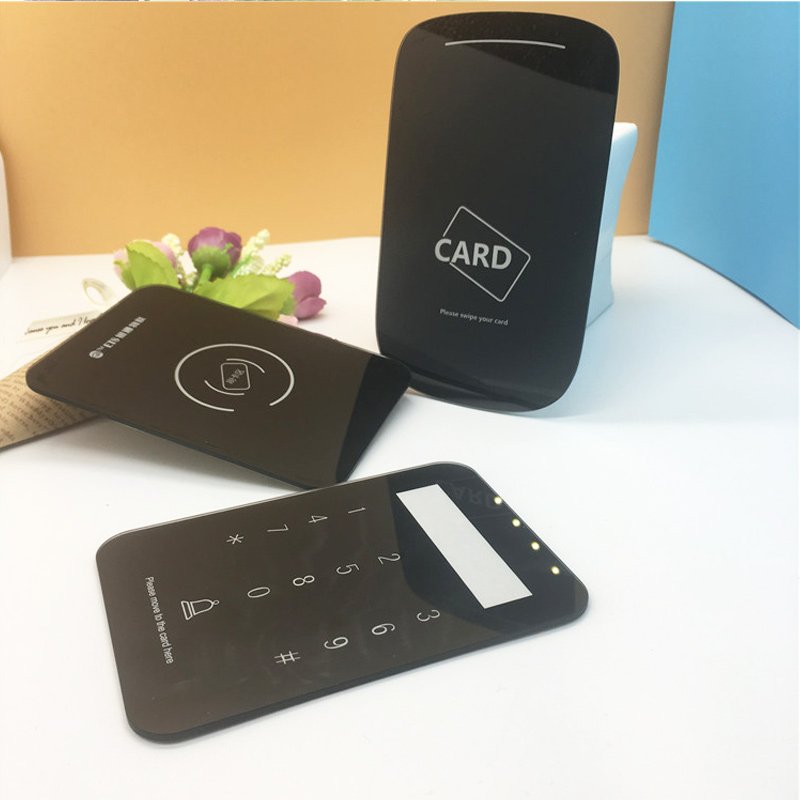
Dead front printing, also known as integrated black printing, creates a blacked-out surface on a glass panel when the device is off. Hidden elements, like icons or displays, become visible when illuminated, offering a sleek and minimalist aesthetic. Achieved by applying multiple layers of opaque black ink with transparent areas for light transmission, this method is commonly used in automotive displays, home appliances, smart home devices, and touch panels. It provides a modern look, enhances clarity, and creates high contrast between illuminated elements and the black background.
- UV-Resistant Inks for Enhanced Durability
UV-resistant inks are designed to withstand prolonged exposure to UV radiation, preventing fading, yellowing, or degradation. These inks are ideal for glass panels used in outdoor or industrial settings. By incorporating UV-absorbing pigments, they ensure vibrant, long-lasting color and enhanced durability, even under harsh sunlight or UV exposure. This makes them perfect for applications like automotive displays, signage, and outdoor kiosks, ensuring longevity and resistance to environmental damage.
Conclusion
Silkscreen printing is one of the most important processes in the manufacturing of display cover glass panels and can greatly affect the functionality, aesthetics, and overall user experience of countless modern devices. Choosing a reliable silkscreen printing glass panel manufacturer is critical to ensure the quality, consistency, durability, and functionality of your product, as well as adherence to project timelines and budget constraints. If you have any questions about the printing on glass panels, welcome to contact us and our technical team will offer comprehensive support and address any challenges you might encounter, providing innovative solutions.



 EN
 FR
 DE
 ES
 PT
 IT
 NL
 DA
 RU
 AR
 TR
 JA
 KO
 ID
 UK
 TH
 VI
 PL
 MS
 ET
 EL