

Introduction
In an era where hygiene and public health are paramount, businesses and individuals alike are constantly seeking surfaces that can contribute to a cleaner, safer environment. From bustling public transport hubs to sterile healthcare facilities, the demand for surfaces that actively inhibit the growth of microbes is on the rise. This naturally leads to a common question: Is glass antimicrobial?
While the word “glass” often evokes a sense of pristine cleanliness due to its non-porous nature, the reality of its antimicrobial capabilities is not simple. Let’s examine what makes glass unique and explore the innovative ways it can be enhanced to combat unwanted microorganisms.
Is Glass Naturally Antimicrobial?
In its most basic form, standard glass is not inherently antimicrobial. However, it does possess characteristics that make it a hygienic material compared to many others.
- Non-Porous Surface: Unlike wood, fabric, or even some plastics, glass has a smooth, non-porous surface. This means that bacteria, viruses, and other microbes have a much harder time adhering to and penetrating its surface. Spills and contaminants tend to sit on top, making them easier to wipe away.
- Ease of Cleaning: The smooth, non-porous nature also makes glass incredibly easy to clean and disinfect with standard cleaning agents. This frequent and effective cleaning process is crucial in minimizing microbial presence.
While these qualities contribute to its hygienic attributes, they don’t mean glass actively kills or inhibits microbial growth on its own. For true antimicrobial functionality, glass requires specific treatments or coatings.
How to Make Glass Antimicrobial?
The demand for enhanced hygiene has spurred significant innovation in glass technology. By incorporating specific agents or applying special coatings, glass can be transformed into a powerful tool against microbial proliferation. There are two primary methods to achieve this:
Surface Coatings for Antimicrobial Glass
One of the most common and effective methods is the application of antimicrobial glass coatings. These coatings create a protective layer on the glass surface that interacts with microbes.

- Silver Ion Technology: Perhaps the most well-known, silver ions have been used for centuries for their antimicrobial properties. When incorporated into a coating, these positively charged ions disrupt the cellular functions of bacteria, fungi, and even some viruses, preventing them from multiplying and eventually leading to their demise.
- Titanium Dioxide (TiO2): This photocatalytic compound has gained significant attention. When exposed to UV light (including natural sunlight), titanium dioxide creates reactive oxygen species (ROS) that can break down organic matter, including microbial cells. This process essentially “cleans” the surface.
- Quaternary Ammonium Compounds (Quats): These are synthetic antimicrobial agents that work by disrupting cell membranes. When applied as a coating, they create a surface that is toxic to a broad spectrum of microbes.
These coatings may be effective at reducing surface contamination but can wear over time or with abrasion, potentially reducing duration of activity.
Integration of Antimicrobial Agents
Beyond surface coatings, antimicrobial properties can also be integrated directly into the glass matrix during manufacturing. This involves incorporating antimicrobial materials into the glass composition itself, meaning the effect is integral to the material rather than applied as a surface coating. Such methods can offer long-lasting activity due to the agent’s embedded nature, providing greater durability as it is not susceptible to wear or abrasion over time.
Understanding the Mechanisms
Regardless of the method, the goal is to create a surface that either:
- Inhibits microbial growth: Prevents bacteria and other microbes from multiplying.
- Kills microbes: Actively destroys microbial cells upon contact.
The specific mechanism depends on the active agent used in the coating or integration.
Limitations and Key Considerations of Antimicrobial Glass
While antimicrobial glass offers significant advantages, it’s important to understand its limitations and consider certain factors before implementation.
- Durability of Antimicrobial Properties
The longevity of antimicrobial properties can vary depending on the technology used. Surface coatings, especially those subjected to heavy wear and frequent cleaning, may degrade over time. Integrated solutions typically offer longer-lasting protection. It’s crucial to inquire about the expected lifespan and maintenance requirements. - Effectiveness Against Different Microbes
No single antimicrobial solution is 100% effective against every single type of microbe. While many technologies offer broad-spectrum protection, their efficacy can differ against various bacteria, viruses, fungi, and molds. Understanding the specific microbial threats in your environment is key to selecting the right solution. - Safety and Regulatory Compliance
Antimicrobial treatments are generally safe when applied correctly and designed for their intended use. However, it’s always wise to ensure that the chosen product meets relevant safety standards and regulatory compliances for the application environment (e.g., food contact surfaces, healthcare settings). - Cost-Effectiveness Analysis
Antimicrobial glass solutions are typically more expensive than standard glass. While the long-term benefits of reduced microbial contamination and enhanced hygiene can outweigh the initial cost, a thorough cost-benefit analysis is recommended to ensure it aligns with budget and operational goals.
Where You’ll Find Antimicrobial Glass: Practical Applications and Industries
The unique benefits of antimicrobial glass make it a valuable asset across a wide range of sectors.

Healthcare Settings
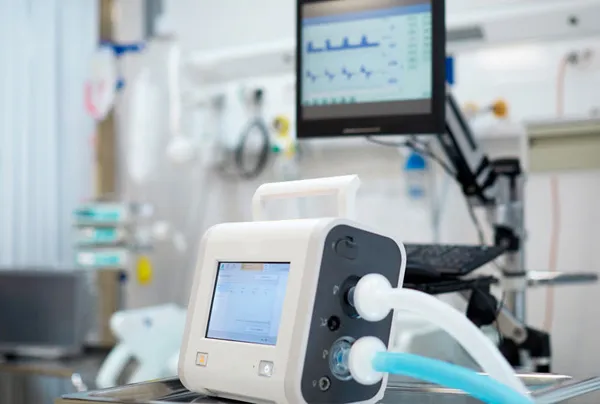
Hospitals, clinics, laboratories, and dental offices are prime candidates for antimicrobial glass.(Related post: Custom Antimicrobial Tempered Glass for Medical Devices >>)
This includes applications like:
- Protective barriers and partitions: Reducing germ transmission.
- X-ray room windows: Offering a hygienic interface.
- Cabinet fronts and touch surfaces: Minimizing contamination in critical areas.
- Operating room finishes: Contributing to sterile environments.
Public Spaces
High-traffic areas in public buildings are crucial for controlling the spread of infections. Antimicrobial glass can be utilized in:
- Airports and transportation hubs: On ticket counters, information kiosks, and partition screens.
- Schools and educational institutions: In classrooms, cafeterias, and common areas.
- Retail environments: On display cases, checkout counters, and tabletops.
Food Service and Hospitality
Maintaining stringent hygiene is essential in this sector. Antimicrobial glass can be found in:
- Restaurant tabletops and bar surfaces: Ensuring a cleaner dining experience.
- Hotel lobby areas and reception desks: Enhancing guest safety.
- Display cases in food establishments: Protecting food items from external contamination.
Residential and Commercial Buildings
Beyond public spaces, antimicrobial glass contributes to healthier living and working environments:
- Bathroom surfaces and shower enclosures: Resisting mold and mildew growth.
- Kitchen countertops and backsplashes: Providing a hygienic food preparation area.
- Office partitions and meeting room tables: Promoting a healthier workspace.
Conclusion
So, is glass antimicrobial? While standard glass offers a naturally hygienic, non-porous surface that’s easy to clean, it doesn’t actively kill microbes. However, through advanced technologies like antimicrobial coatings and integrated agents, glass can indeed become a powerful antimicrobial material.
From its ability to inhibit bacterial growth to its application in critical environments like healthcare, antimicrobial glass is a key component in creating safer, healthier spaces. As innovation continues, we can expect to see even more widespread adoption of this technology, contributing to a future where our built environments actively support our well-being. When considering your next project, remember the enhanced hygiene and safety that antimicrobial glass can bring.



 EN
 FR
 DE
 ES
 PT
 IT
 NL
 DA
 RU
 AR
 TR
 JA
 KO
 ID
 UK
 TH
 VI
 PL
 MS
 ET
 EL