The Importance of Antimicrobial Glass Panels in Modern Healthcare
Despite the continuous advancements in medical procedures and equipment, the threat of high-risk infections from superbugs such as MRSA, Clostridioides difficile, and Pseudomonas aeruginosa persists. Antimicrobial resistance stands as one of the world’s most severe and urgent public health challenges, with estimates indicating that 70% of hospital-acquired bacterial infections are resistant to at least one drug. Antimicrobial and antiviral coating technologies emerge as one of the most effective methods to enhance infection control in healthcare environments without compromising patient care.(Read more: Which Glass Material is Best for Glass Panels of Medical Devices?)
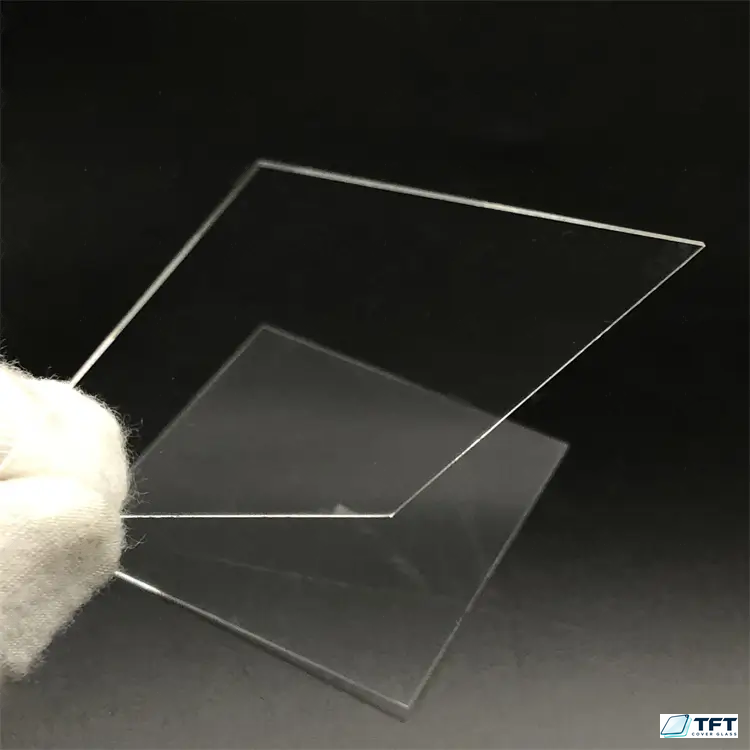
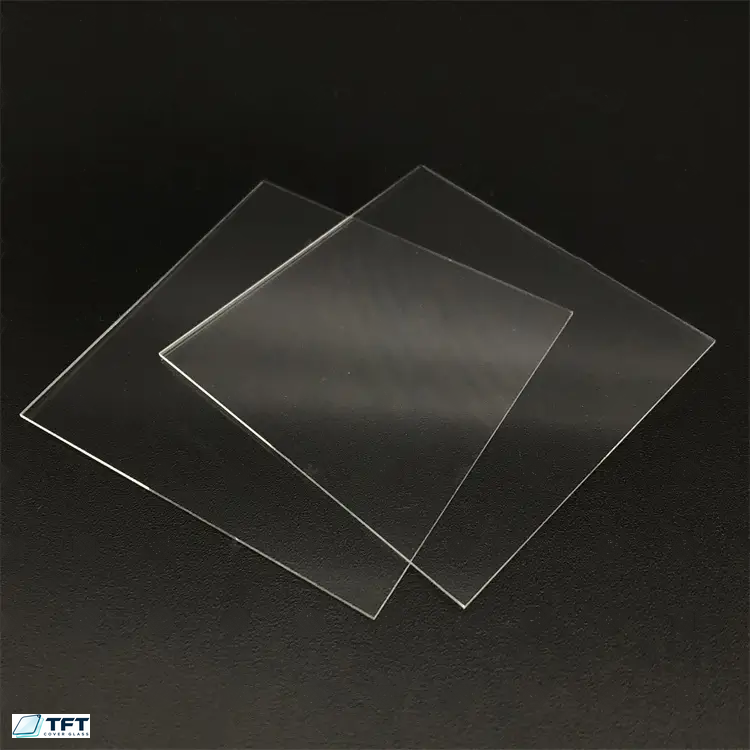
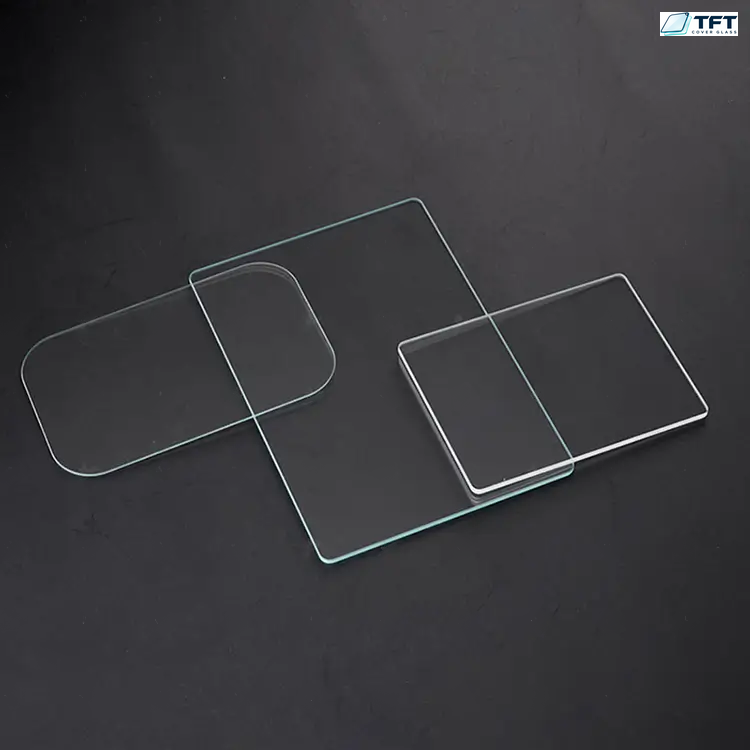
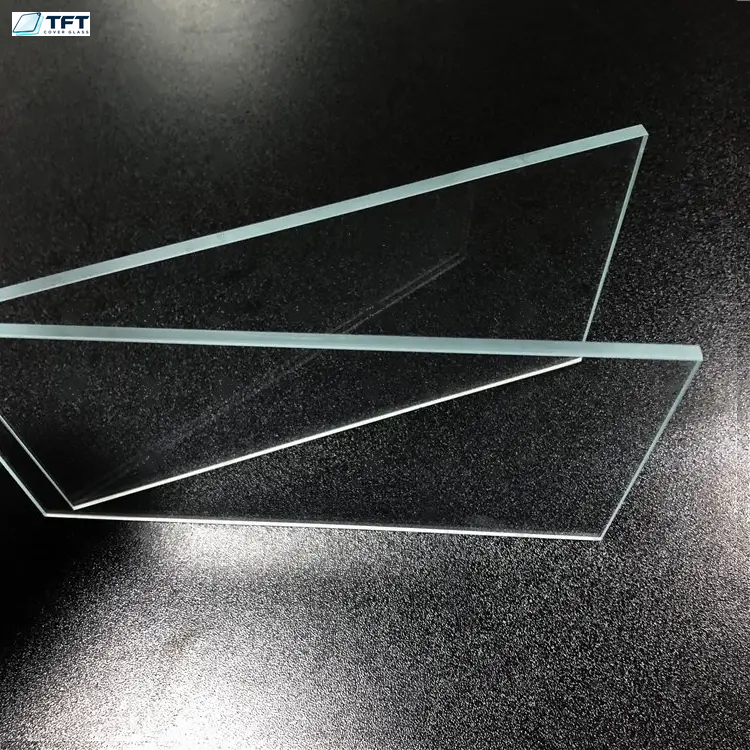
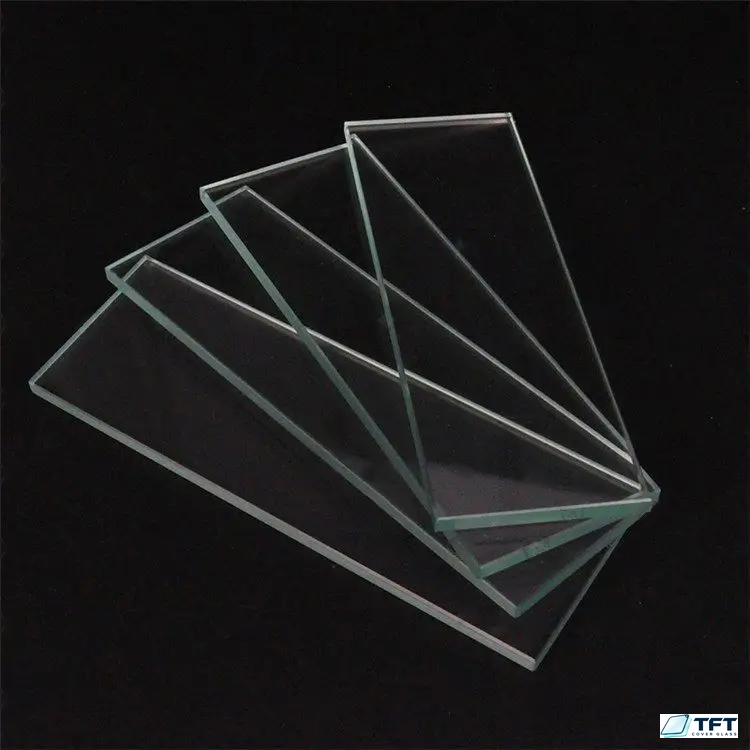
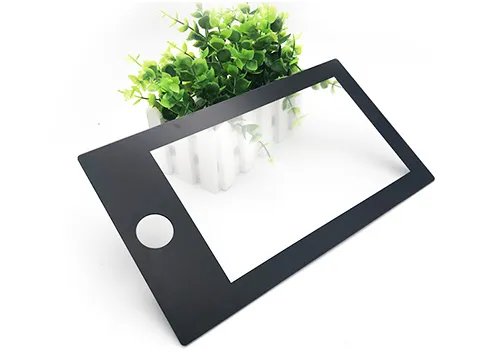
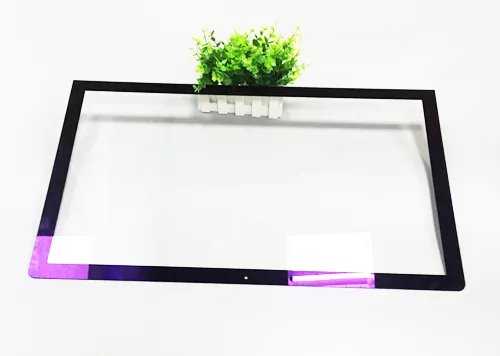
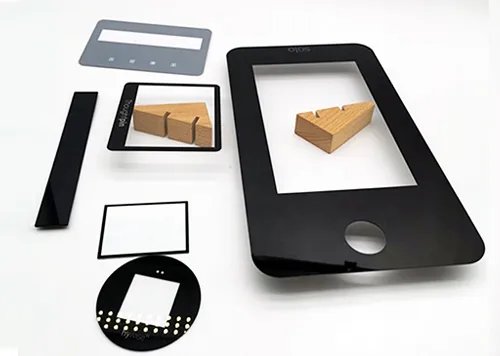
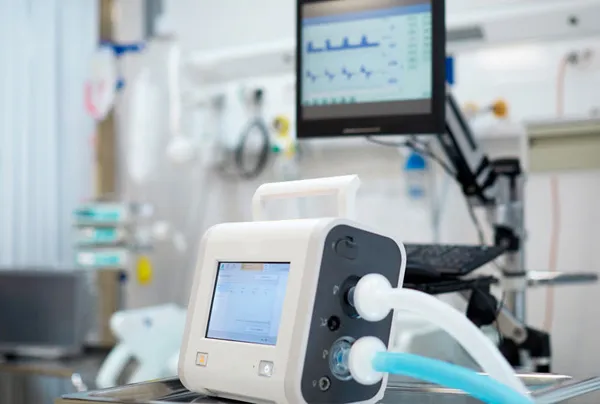
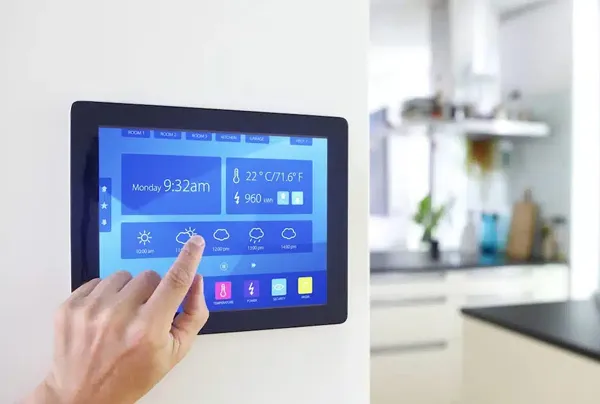
Antimicrobial glass panels serve as a powerful weapon against healthcare-associated infections (HAIs). These panels are engineered to prevent the growth and spread of bacteria, viruses, and other pathogens on surfaces commonly found in medical settings, such as touchscreens, partitions, windows, and countertops.
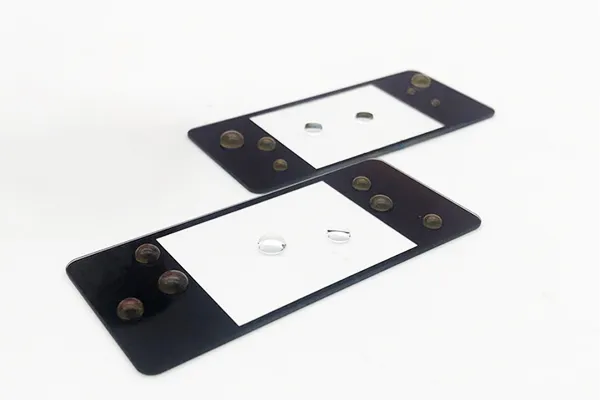
By integrating advanced antimicrobial technology into glass panels, microorganisms like mold, bacteria, and viruses can be reduced by up to 99.99% within 24 hours, significantly minimizing cross-contamination. This approach also makes surfaces easier to maintain and clean without the need for harsh chemicals, promoting a safer and more sustainable environment.
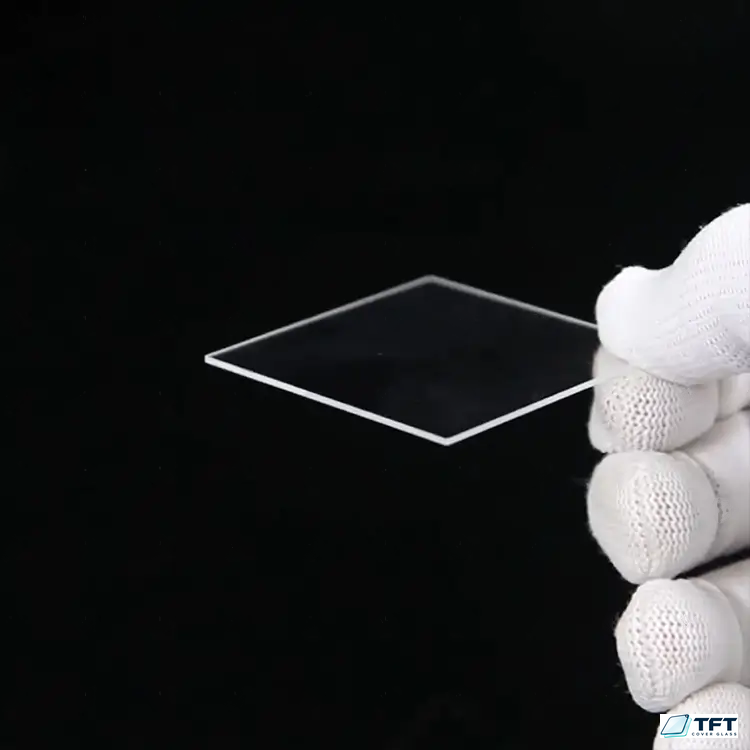
Our antimicrobial glass panels feature high transparency and exceptional scratch resistance, and they have been scientifically proven to inhibit over 99.99% of harmful bacteria and viruses on glass substrates, including E. coli, and Staphylococcus aureus. This makes them an ideal solution for high-touch areas in hospitals, clinics, and other healthcare facilities, ultimately contributing to reduced infection rates and improved overall patient safety.




 EN
 FR
 DE
 ES
 PT
 IT
 NL
 DA
 RU
 AR
 TR
 JA
 KO
 ID
 UK
 TH
 VI
 PL
 MS
 ET
 EL