Ever noticed how your phone screen shines too brightly on a sunny day? Anti-Glare (AG) glass solves this problem. AG glass is a real game-changer in screen technology.
AG glass undergoes special treatment to lower reflections and glare. This improves visibility and readability in bright places. People often use it in electronic displays, industrial panels and architectural designs. AG glass provides very clear visuals. It also really enhances user comfort.anti glare glass
I first saw AG glass during a product design project. The transformation of the user experience amazed me. Screens became more readable under bright lights. Knowing the different types of AG (anti-glare) glass is really important. And, choosing the right type of AG glass is critical for a successful project, impacting both performance and durability. Let’s explore the world of AG glass and find the details that could lead your next project to success.
How Does AG Glass Work?
Curious about why your smartphone screen remains clear under bright sunlight?
AG glass, also called Anti-Glare glass or Non-Glare glass, scatters reflected light on a micro-etched surface. This reduces glare. It helps to see better in bright places. This technology is crucial. It really improves screen clarity and comfort in everyday devices.
In fact, AG glass is a type of specifically treated glass. The treatment is achieved through various techniques, resulting in improved screen readability and reduced eye strain, particularly in brightly lit environments. The treatment affects the surface texture or optical properties of the glass.
What are the Different Types of AG (anti-glare) Glass?
As we mentioned before, many anti-glare glasses utilize surface treatments to achieve their anti-reflective properties, although some advanced techniques may also modify the bulk material properties of the glass.
Anti-glare (AG) glass is generally categorized into three types based on processing methods: chemically etched AG glass, coated AG glass, and sputtered AG glass.
Let’s take a look at these three types of AG (anti-glare) glass.
Chemically Etched AG Glass
Chemically etched anti-glare (AG) glass is produced through a specialized chemical process that transforms the glass’s reflective surface into a matte, diffusely reflecting surface. This process blurs reflections, preventing glare and reducing the intensity of light and shadows. The resulting anti-glare glass exhibits strong corrosion and scratch resistance.
chemically etched anti glare glass
Chemically-etched AG glass effectively addresses reflection and glare issues on electronic displays and screens in ambient lighting conditions. The etching is chemical, with a depth of 0.06-0.08 mm. After AG treatment, the surface remains essentially glass, offering a lifespan comparable to that of strengthened glass.
Coated AG Glass
coated anti glare glass
Coated AG glass utilizes a haze coating technology, also known in the industry as polarizer surface treatment. This is a type of polarizer surface treatment that involves micro-texturing the surface of the polarizer. This micro-texturing prevents direct light from entering the eye, effectively reducing glare and reflections.
Sputtered AG Glass
Sputtered AG glass, often referred to as spray coating in the context of AG glass, achieves its anti-glare effect by applying a coating to the glass surface using sputtering equipment. This involves dispersing a coating material into fine droplets using a spray gun or disc atomizer, propelled by pressure or centrifugal force, onto the substrate. The advantages of this process are convenience and speed, high production efficiency. It can be easily processed to produce high quality AG glass with different gloss and haze.
Difference between Coated AG Glass and Sputter AG Glass
The terms “sputtered AG” and “coated AG” are often used interchangeably, leading to confusion. The key difference lies in the method of applying the anti-glare coating:
Sputtered AG: It refers to a specific coating method using a physical vapor deposition (PVD) technique called sputtering. In sputtering, a target material (the anti-glare coating material) is bombarded with ions, causing atoms to be ejected and deposited onto the glass substrate. This creates a very thin, uniform, and often durable coating.
Coated AG: It is a more general term encompassing any method used to apply an anti-glare coating to the glass. Sputtering is one method of coating, but others exist, such as spraying, dipping, or roll coating. These alternative methods may produce coatings that are less uniform or durable than those achieved through sputtering.
In short, all sputtered AG glass is coated AG glass, but not all coated AG glass is sputtered AG glass. Sputtered AG represents a more precise and often higher-quality coating technique within the broader category of coated AG glass.
Choosing the Right Anti-Glare Glass: A Comparison of Etching, Coating and Sputtering
Choosing the optimal anti-glare (AG) glass depends heavily on the specific application requirements, balancing performance, durability, and cost. Let’s now compare the performance and durability of AG glass produced by these three methods and check which types of AG glass is best suited for display screen or touch panel applications.
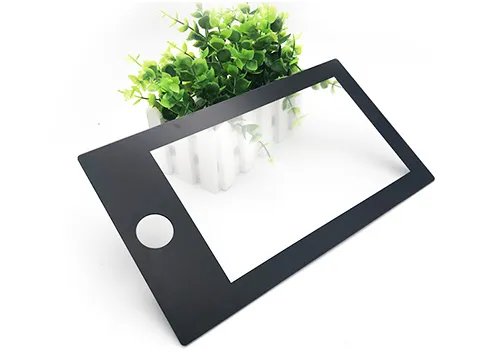
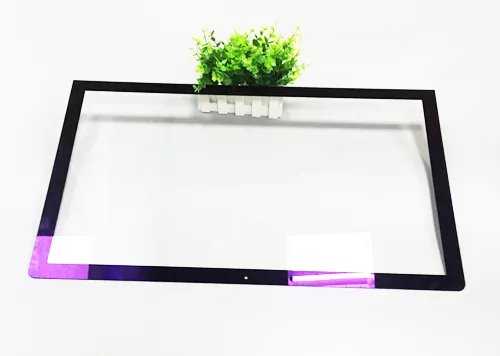
anti glare glass for display cover glassFor applications demanding the highest levels of durability, scratch resistance, and consistent optical performance, chemically etched AG glass is the superior choice, despite its higher cost. Other coated AG options offer a more cost-effective solution, suitable where the performance requirements are less stringent.
Chemical Etching AG Glass
Chemical etching AG glass offers superior performance and durability. The etched surface, while matte, remains essentially glass, resulting in a product lifespan comparable to tempered glass. Etched AG glass boasts exceptional scratch resistance, far exceeding that of sputtered/coated AG (reportedly three times the abrasion resistance in one test). The surface texture is exceptionally uniform, achieving a wide range of roughness (0.08-2.0) and high gloss values (up to 150), while maintaining high light transmission (20%-90%). Its tactile feel is also often superior. However, this method is associated with higher costs and lower yields.
Coated AG Glass
Coated AG glass is a broad category encompassing various coating techniques, with sputtering being one. While offering diverse options to tailor the optical properties, the overall durability and uniformity can vary significantly depending on the specific coating method employed. The initial application of this process was for car rear-view mirrors, which hints at a lower level of scratch and abrasion resistance than that of chemically etched glass. Coated AG glass remains prevalent in display cover glass panels.
Sputtered/Spray Coating AG
While cost-effective and easier to produce, sputtered AG glass shows limitations in durability and surface quality. Industry reports highlight inconsistencies in particle size and a relatively low abrasion resistance (around 5000 cycles in a steel ball test, significantly less than etched AG). The AG layer’s susceptibility to peeling due to environmental factors or use also poses a concern.
What Makes Chemically-etched AG Glass Better than Coated AG Glass?
Chemically etched AG glass, produced using a chemical etching process, commands a higher cost and exhibits a lower yield rate, presenting challenges for many cover glass manufacturers. In most cases, chemically-etched AG glass is a preferred choice for high-end applications.
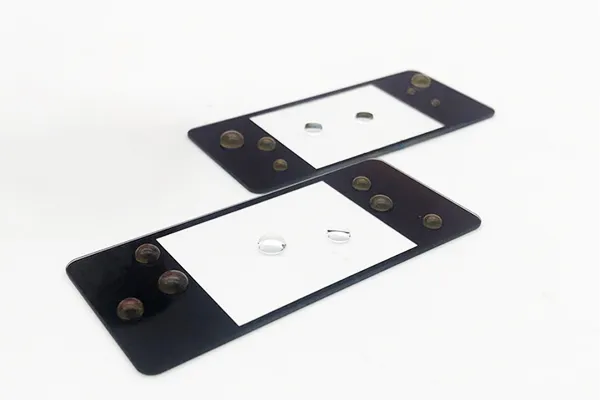
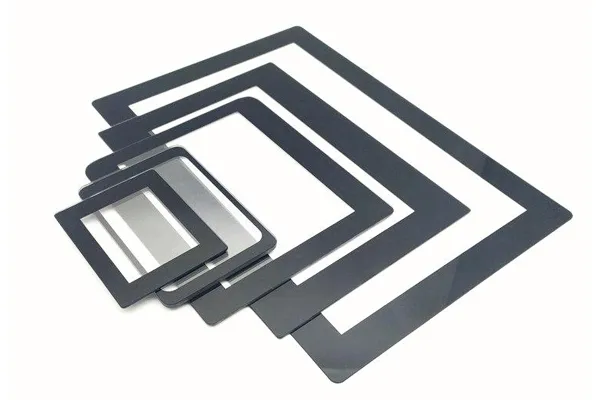
custom ag glass panels
In contrast, anti-glare coating technology involves applying one or two layers of coating or solution to the glass surface to effectively increases light diffusion and reduces glare. Coated AG glass offers the advantages of low cost and ease of production, making it common for many applications. Chemically etched AG glass offers several advantages over coated AG glass:
Superior Surface Strength and Durability
Etched AG glass maintains the inherent strength of the glass substrate after the etching process (etching depth 0.06-0.08mm). After strengthening, its scratch resistance is comparable to that of untreated glass, significantly better than coated AG glass, which tends to accumulate scratches over time. The writing feel on etched AG glass is also closer to writing on paper.
The paper-like feel of AG glass makes it a preferred choice for applications where a more natural and comfortable writing or drawing experience is desired, such as note-taking devices, interactive whiteboards, industrial control panels, medical devices with touchscreens, digital signage in high-traffic areas, etc.
Longer Lifespan
Because the anti-glare properties are integral to the glass itself, the lifespan of chemically-etched glass is comparable to that of strengthened glass, eliminating concerns about the AG layer peeling due to environmental factors or use.
Etched AG glass effectively reduces bright spots caused by scintillation and offers better overall uniformity (gloss reading) across the surface. Coated AG glass only provides a matte effect with poorer uniformity of gloss values.
Lower Haze
Etched AG glass has a lower haze value than coated AG glass, resulting in improved visible brightness.
Easier Subsequent Processing
The etching process avoids the complications of sputtering, which necessitates strengthening the glass before coating (the heat treatment during coating reduces glass strength by about 1/3). Furthermore, customized cuts, holes, and notches are significantly more expensive with sputtered glass, as the coating must be applied to the final dimensions. While strengthened glass can be cut, the strengthening layer is damaged at the cut edges, leading to chipping, particularly with holes or notches. Etched AG glass avoids this issue.
What Are the Common Applications of AG Glass?
Ever squinted at your phone under the sun, trying to see the screen? AG glass helps solve this problem. It really improves screen visibility. Life becomes a bit easier because of it.
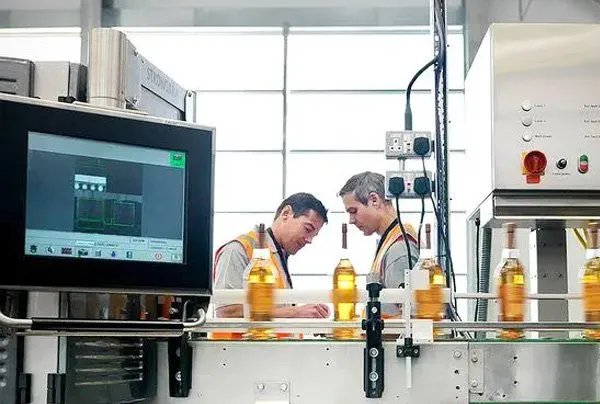
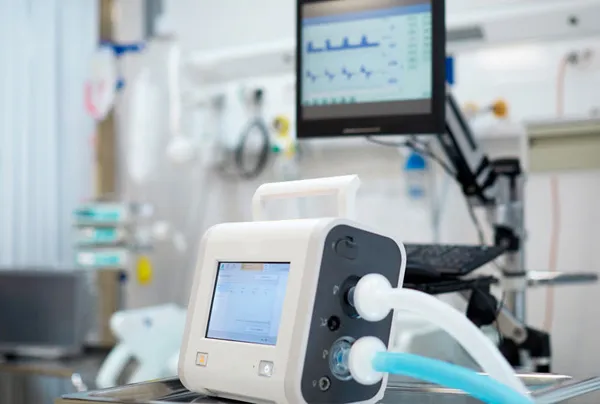
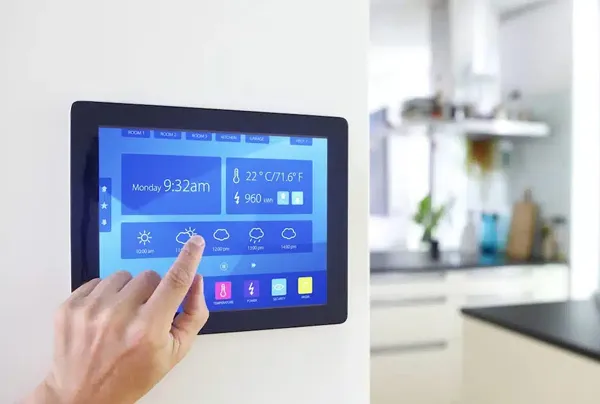
AG glass is used in electronics, automotive displays and public kiosks. It reduces glare and improves readability in bright light. Its anti-reflective properties play a crucial role. These features really help users in various situations.Example · Anti-glare display applications in industrial control, healthcare, transportation, smart homes, wearables, finance, outdoor devices and retail.
Electronics and Displays
I remember using my tablet outside on a sunny day for the first time. The screen was so unclear, and it was really frustrating. AG glass changes everything in electronics. It reduces reflections and improves visibility in bright sunlight for smartphones and tablets. You can comfortably check emails or browse photos while sitting in a sunny park. This technology is useful for televisions and computer monitors as well, reducing eye strain and allowing longer, more comfortable viewing.
Device
Benefit
Smartphones
Reduced reflections
Tablets
Enhanced outdoor readability
Monitors
Minimized eye strain
Automotive Industry
Driving during a bright day is difficult when the dashboard is hard to see. Vehicles use AG glass in dashboard displays and infotainment systems. I rented a car with AG glass dashboards once for a road trip, and it really made a difference. It ensures dashboard clarity so I could drive safely without glare.
Public Kiosks and Signage
Imagine using an interactive kiosk in a train station with the sun glaring on it. AG glass makes these kiosks visible even in direct sunlight. This feature really helps everyone who needs quick information. It is important for public signage at transportation hubs and outdoor advertising too.
Medical Devices
Clear visibility in medical settings can be very crucial. AG glass in devices like patient monitoring systems eliminates reflections, making accurate readings possible without issues. Healthcare professionals focus better on crucial tasks without visual distractions.
Application
Description
Interactive Kiosks
Clear visibility for public use
Medical Displays
Accurate reading in high-light environments
Outdoor Signage
Information dissemination under sunlight
Industrial Control Panels
In my work with industrial control equipment, clarity is essential. AG glass is critical in these settings because harsh lighting must not affect precision. Industrial control equipment uses AG glass to uphold efficiency and safety.
For designers like Marius, knowing these uses is important. AG glass meets aesthetic and functional needs, enhancing user experience across platforms. This understanding helps us make smart choices in future display projects.
Conclusion
AG glass has wide applications in cover glass industry, especially for harsh environment and outdoor applications. Have a understand about the three main types of anti-glare glass will help you to choose more suitable glass materials for your displays or screens. If there are any questions about anti-glare glass, welcome to contact us to get more detailed technical data.

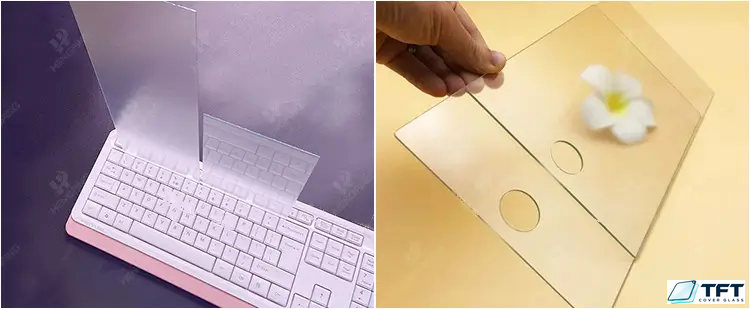
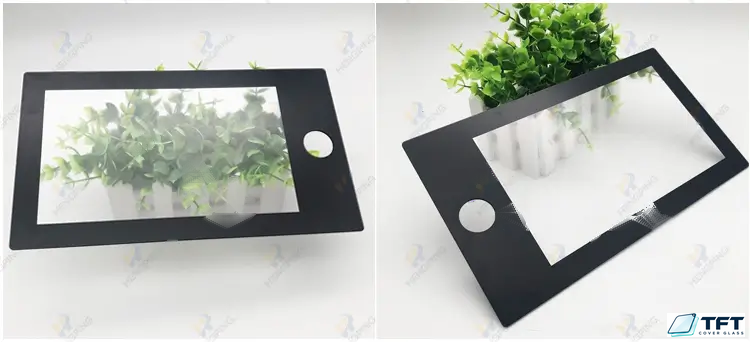 In fact, AG glass is a type of specifically treated glass. The treatment is achieved through various techniques, resulting in improved screen readability and reduced eye strain, particularly in brightly lit environments. The treatment affects the surface texture or optical properties of the glass.
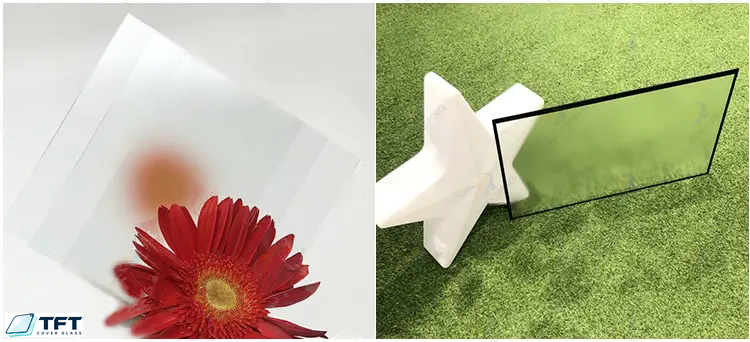


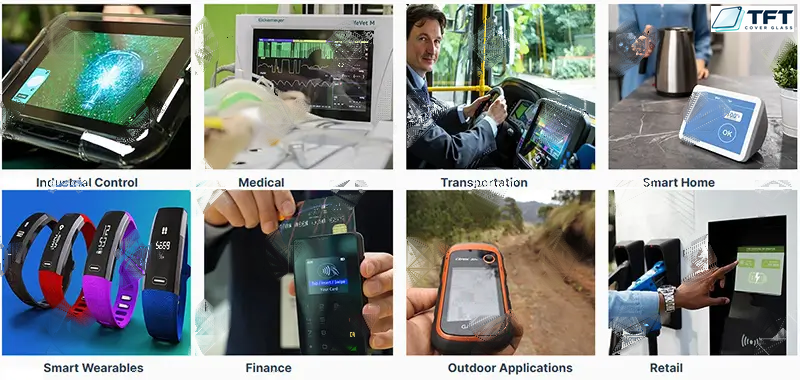 Example · Anti-glare display applications in industrial control, healthcare, transportation, smart homes, wearables, finance, outdoor devices and retail.



 EN
 FR
 DE
 ES
 PT
 IT
 NL
 DA
 RU
 AR
 TR
 JA
 KO
 ID
 UK
 TH
 VI
 PL
 MS
 ET
 EL