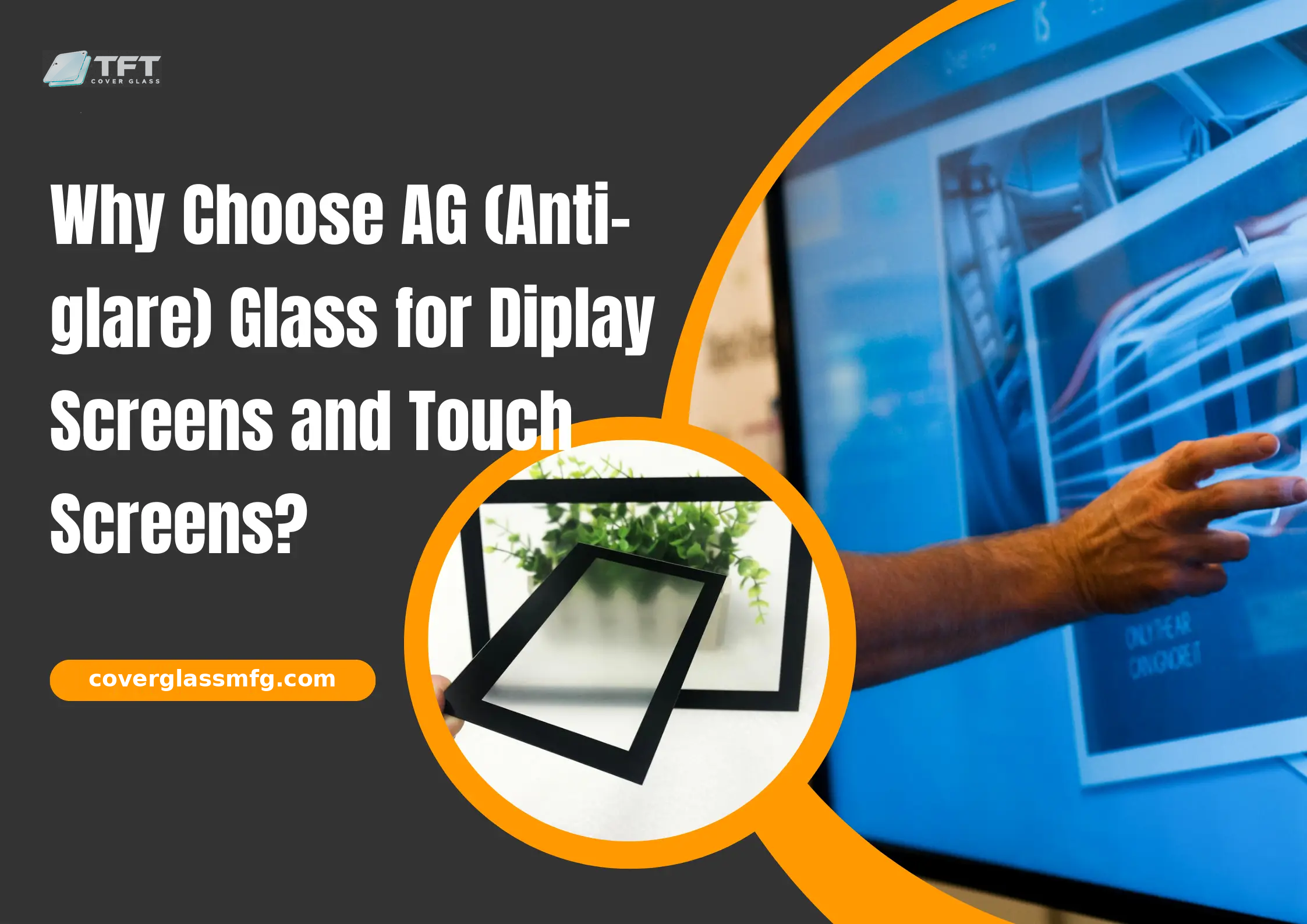
AG glass, also known as anti-glare glass or non-glare glass, is a crucial component in modern display technology, significantly impacting the viewing experience. Here, we will explore the world of AG glass, exploring its benefits, applications, and why it’s the preferred choice for many screens. We’ll uncover how this specialized glass enhances visibility, reduces eye strain, and improves overall user satisfaction. Understanding its importance is crucial in today’s digitally driven world.
What is AG (Anti-glare) Glass?
AG glass, short for anti-glare glass, is a type of glass specifically treated to reduce glare and reflections. Anti-glare isn’t just a simple coating, it involves sophisticated processes like etching or applying specialized coatings to the glass surface. These treatments diffuse reflected light, making screens easier to view in bright environments. Think of it like frosting a cake – the smooth surface of the frosting becomes textured and scatters light differently, reducing its intensity.
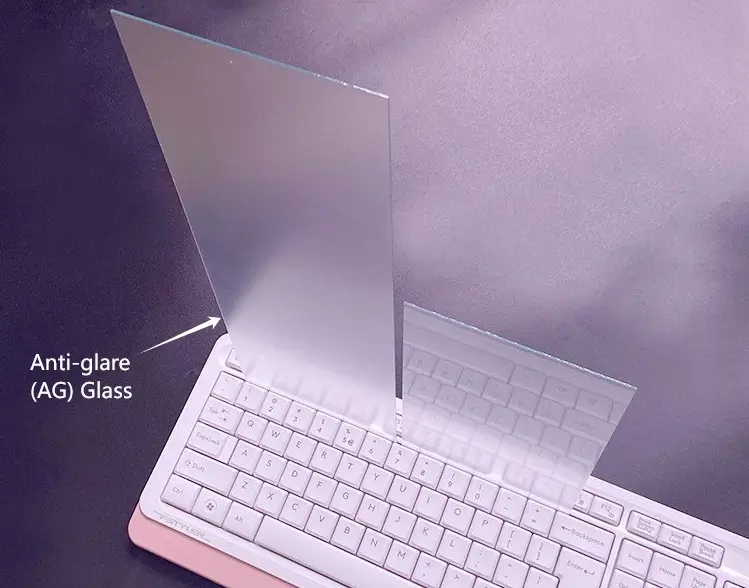
Similarly, AG glass transforms the reflective surface of regular glass, minimizing the mirror-like effect, which allows displayed content to remain clear and visible even under direct sunlight or bright indoor lighting. AG glass is crucial for devices like smartphones, tablets, and monitors where glare can significantly hinder usability. (Read more: Anti-glare Glass Vs. Anti-reflective Glass >>)
How Does Anti-Glare Glass Work?
The secret behind anti-glare glass lies in its textured surface. Imagine a perfectly smooth lake reflecting the surrounding landscape like a mirror. Now, imagine tossing pebbles into the lake, creating ripples. The reflection becomes distorted and less intense. AG glass works similarly. Instead of a smooth surface, AG glass has a microscopically rough surface, created either through acid etching or by applying a thin layer of a specific material.

This textured surface disrupts the reflection of light. Instead of bouncing directly back at the viewer, light is scattered in various directions. This significantly diminishes the intensity of glare and enhances the screen’s visibility. This diffusion doesn’t eliminate reflections entirely, but it minimizes their disruptive impact. It’s akin to the difference between staring directly at a spotlight versus looking at a diffused light source like a lampshade. The total amount of light might be similar, but the diffused light is significantly less harsh and more comfortable for your eyes.
What are the Benefits of Using AG Glass?
The advantages of AG glass are numerous and directly contribute to a better user experience:
Reduced Eye Strain
According to the American Optometric Association, digital eye strain affects a significant portion of the population. AG glass, by minimizing glare, reduces the constant need for your eyes to adjust to varying light intensities, thereby decreasing eye strain, making it more comfortable to use screens for extended periods. This is particularly beneficial in brightly lit environments where glare can cause headaches, dry eyes, and blurred vision.
Improved Visibility
AG glass dramatically enhances visibility in challenging lighting conditions. Imagine trying to use your GPS on a sunny day – with a glossy screen, the reflection of the sky can make it nearly impossible to read the map. AG glass mitigates this by reducing reflections, allowing you to see the screen content clearly. This is critical for outdoor use, in brightly lit offices, or even just near a window. (Related product: 2.0MM Etching Anti-Glare Glass Panel for Dashboard Screen/Display of Farm Machines >>)
Enhanced Image Clarity
While some argue that AG glass slightly reduces color vibrancy, its benefits far outweigh this minor drawback. By diffusing reflections, AG glass actually improves the perceived image clarity and contrast. It’s like removing a veil from the screen, making colors appear more true-to-life and details sharper. This results in a more enjoyable and immersive viewing experience, particularly for tasks involving text or intricate visuals.
Why is Anti-Glare Glass Important for Display Screens?
In our increasingly digital world, we interact with screens constantly. From smartphones and tablets to laptops and televisions, displays have become integral to our lives. AG glass plays a critical role in making this constant interaction more comfortable and productive.
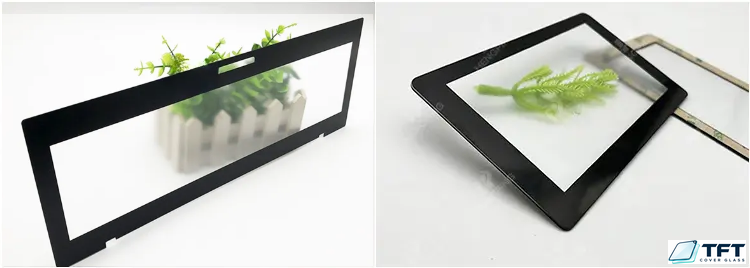
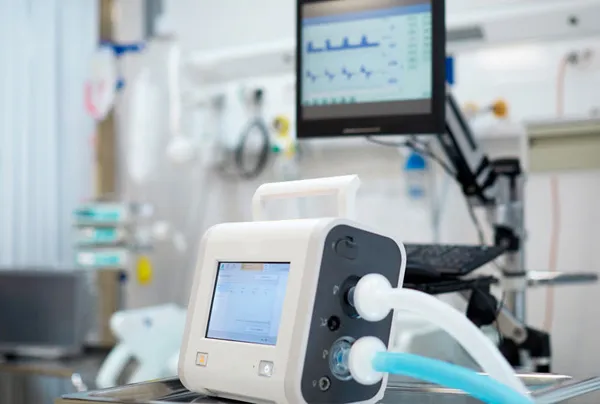
Specifically for display screens, AG glass is vital for maintaining image quality and readability. Without it, glare can wash out colors, making text illegible and obscuring critical details. This is particularly true for touch screens, where fingerprints and smudges can exacerbate the problem of glare. Imagine a surgeon trying to view a critical medical image on a glossy screen – the glare could have life-altering consequences. AG glass minimizes these risks, ensuring clear and consistent visibility. (Read more: Anti-fingerprint Glass >>)
AG Glass vs. Glossy Glass: Which is Right for You?
Choosing between AG glass and glossy glass often depends on individual needs and the typical usage environment. Glossy glass delivers vibrant colors and high contrast, creating a visually striking image. However, this comes at the cost of increased glare and reflections, making it less suitable for brightly lit environments. Gaming monitors often use glossy screens for their vibrant colors, but in a bright room, reflections can be distracting.
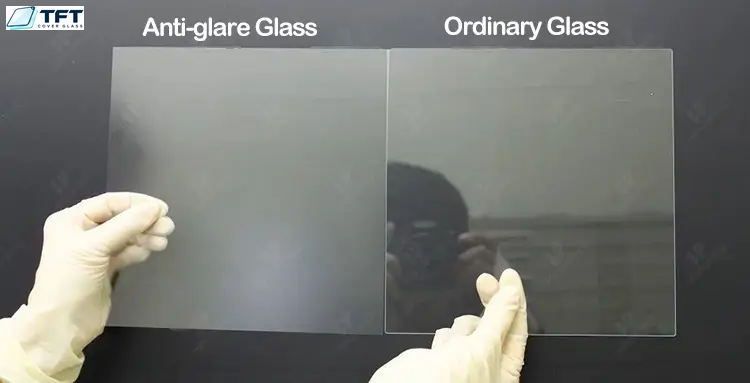
AG glass, on the other hand, prioritizes comfortable viewing in diverse lighting conditions. While it might slightly reduce the “pop” of colors, the improved readability and reduced eye strain make it a preferred choice for many. Think of a professional photographer editing photos – the accuracy of colors and details is paramount, and AG glass ensures these aren’t compromised by glare.
Consider where you primarily use your devices. If you mainly use them indoors under controlled lighting, glossy glass might suffice. However, for frequent outdoor use, in offices with overhead lighting, or even in a room with windows, AG glass offers a significantly better viewing experience.
How is AG Glass Made?
The manufacturing of AG glass is a precise process involving either etching or coating standard glass. Acid etching, a commonly used technique, involves carefully applying an acidic solution to the glass surface. This creates microscopic textures, similar to tiny valleys and peaks, that diffuse the reflected light. The depth and density of these textures are meticulously controlled to achieve the desired level of anti-glare performance. Different types of acids and etching processes exist, each offering specific advantages in terms of cost, efficiency, and the resulting surface finish.
Alternatively, applying a thin coating of a specific material can achieve the anti-glare effect. These coatings are often made of materials with light-diffusing properties. The coating process involves evenly distributing this material onto the glass surface, creating a uniform layer that scatters light effectively. The composition of the coating and the application method influence the final appearance and durability of the AG glass. Some coatings offer additional benefits like scratch resistance or fingerprint repellency.
What are the Applications of AG glass?
AG glass is essential in various devices and displays across different industries:
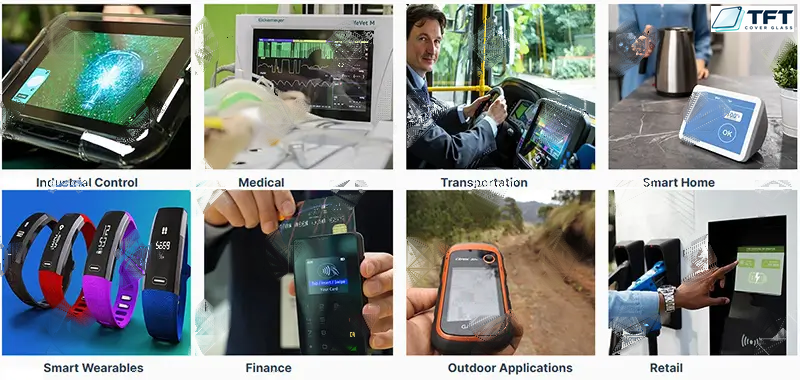
- Smartphones and Tablets: Most modern smartphones and tablets, like the iPhone 14 and the Samsung Galaxy Tab S8, use AG glass to enhance outdoor readability and reduce eye strain.
- Laptop Screens: Many laptops, particularly those designed for professional use, such as the Lenovo ThinkPad X1 Carbon and the Dell XPS 13, feature AG glass to improve productivity by minimizing glare in office environments.
- Monitors: AG glass is a common feature in monitors used in offices, schools, and hospitals, where minimizing glare is crucial for focused work and accurate information display. High-end monitors from brands like EIZO and NEC often feature AG coatings.
- Televisions: While less common than in other devices, some televisions, especially those designed for bright rooms or outdoor use, incorporate AG glass to enhance viewing comfort. SunBriteTV specializes in outdoor televisions with AG screens.
- Digital Signage: Outdoor digital signage, like those used in advertising or public information displays, heavily relies on AG glass to ensure visibility even in direct sunlight. These displays often face challenging lighting conditions, making AG glass essential for effective communication.
- Automotive Dashboards: Many modern cars use AG glass in their dashboard displays to minimize glare and ensure drivers can clearly see vital information like speed and navigation.
How to Clean AG Glass?
Cleaning AG glass requires a gentle approach to avoid damaging the delicate textured surface. Avoid abrasive cleaners, paper towels, or any materials that could scratch the glass. Instead, use a soft, lint-free microfiber cloth specifically designed for cleaning screens. Dampen the cloth slightly with a mild cleaning solution specifically formulated for electronic displays. Avoid spraying the cleaning solution directly onto the screen as it could seep into the device. Gently wipe the surface in circular motions to remove fingerprints, smudges, and dust. For stubborn marks, repeat the process, applying slightly more pressure.
What is the Future of AG Glass?
The future of AG glass is intertwined with the evolution of display technology itself. Research and development efforts are focused on creating even more effective anti-glare solutions. Nanotechnology is being explored to create even finer surface textures that scatter light more efficiently without compromising image clarity. New materials and coatings are being developed to improve scratch resistance, reduce fingerprint smudges, and enhance the overall durability of AG glass. Furthermore, integrating AG glass with emerging display technologies like OLED and microLED presents exciting possibilities for even more immersive and comfortable viewing experiences.
Is AG Glass Worth the Investment?
Undoubtedly, the benefits of AG glass, including reduced eye strain, improved visibility, and enhanced image clarity, make it a worthwhile investment for any display screen. Given the significant amount of time we spend interacting with digital devices, prioritizing eye comfort and visual clarity is paramount. The relatively small increase in cost for AG glass is insignificant compared to the long-term benefits it offers in terms of eye health and overall user experience.
Conclusion
Anti-glare (AG) glass is essential for comfortable viewing in today’s digital world. By minimizing reflections and glare, it significantly improves visibility and reduces eye strain, making it a worthwhile investment for any display screen. TFT Cover Glass is a professional custom cover glass manufacturer in China, we can provide high quality and customized anti-glare glass based on your specific applications. If there are any questions about AG glass, just contact us any time!



 EN
 FR
 DE
 ES
 PT
 IT
 NL
 DA
 RU
 AR
 TR
 JA
 KO
 ID
 UK
 TH
 VI
 PL
 MS
 ET
 EL