
In bright environments, whether direct sunlight on an automotive dashboard or overhead lights in a medical facility, reflections on display screens can make content nearly unreadable, increase eye strain, and compromise safety. Anti-glare etched glass (also known as AG etched glass) solves this problem permanently by chemically or physically etching the glass surface to create a controlled micro-textured matte finish that scatters reflected light instead of mirroring it.
Unlike temporary coatings that can wear off, etched anti-glare treatment becomes an integral part of the glass itself, delivering lifelong performance with no peeling, yellowing, or loss of effectiveness.
Quick Facts of Etched Anti-Glare Glass (Core Paremeters):
- Gloss (60°) Level: 10~130 GU (lower = stronger anti-glare);
- Haze Range: 1%~25% (tunable for clarity vs. diffusion balance);
- Light Transmittance: ≥ 90% (ultra-clear substrate);
- Surface Roughness (Ra): 0.05~0.2 μm;
- Durability: Up to 3× higher abrasion resistance than coated alternatives;
What is Anti-Glare Etched Glass?
Anti-glare etched glass, also known as chemically etched AG glass, is a premium glass treated through a specialized chemical etching process that permanently transforms the original mirror-like reflective surface into a matte, diffuse-reflection surface. (Read more: What’s Anti-Glare Glass?)

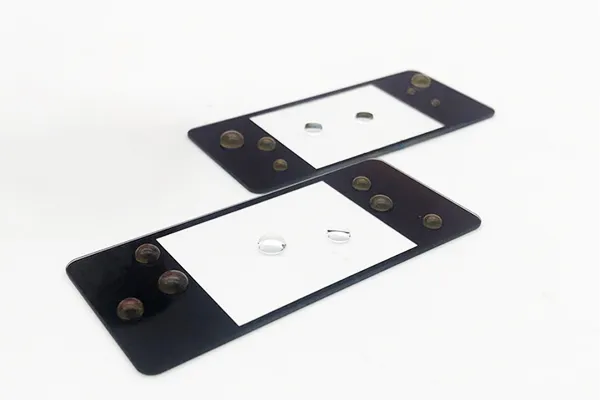
This controlled chemical etching creates uniform microscopic roughness with an etch depth of 0.05–0.07 mm, effectively blurring ambient reflections, preventing glare, significantly reducing reflectivity, and minimizing light-and-shadow interference. Because the anti-glare structure is etched directly into the glass itself, rather than applied as a coating, the treated surface remains pure glass at its core. This delivers outstanding corrosion resistance, high scratch resistance, and a lifespan identical to that of chemically strengthened glass. (Related product: 2MM Chemically Etched Anti-Glare Glass for Display Cover Glass Panels >>)
It fundamentally solves the reflection and glare issues that occur on electronic displays, imaging screens, and optical lenses under ambient light sources (sunlight, indoor lighting, etc.), greatly enhancing screen readability and visual comfort, making it the preferred choice for high-brightness OLED/AMOLED and LCD displays and devices.
Key Distinction between Anti-Glare and Anti-Reflective:

- Anti-Glare (AG) = diffuses light (etched or coated)
- Anti-Reflective (AR) = cancels light via interference (multi-layer thin films)
Many premium applications now combine both (etched AG + AR coating) for <1% total reflection.
How Anti-Glare Etched Glass is Manufactured?
The highest-quality anti-glare etched glass for modern cover lens applications is produced via a fully automated, continuous chemical etching process on premium glass substrates, such as ultra-clear glass, aluminosilicate glass and more. This method delivers precise, uniform haze and gloss control while preserving maximum optical clarity and mechanical strength.

Here is the professional, industry-standard step-by-step manufacturing process used by leading fabricators worldwide:
- Precision Cutting & Edge Grinding:
Raw glass sheets are CNC-cut to final size and edges are ground/polished for safety and downstream compatibility. - Initial Ultrasonic Cleaning
Multi-stage ultrasonic cleaning with deionized water and detergents removes all contaminants. - Protective Film Application (Single-Side Etching)
Acid-resistant film is automatically applied to the non-etched side. - Surface Activation / Pre-Treatment
Glass passes through a controlled activation bath to ensure perfectly uniform etching. - Chemical Acid Etching
Precise immersion or spray in temperature-controlled HF-based solution creates the microscopic matte texture (etch depth 0.05–0.07 mm). - Multi-Stage Neutralization & Rinsing
Immediate neutralization followed by cascading DI water rinses removes all acid residues. - Drying
High-speed air knives and IR/heat drying eliminate water marks. - Protective Film Removal & Final Cleaning
Second ultrasonic cleaning cycle after film peel-off. - Optical & Quality Inspection
Automated measurement of gloss (20–130 GU), haze (0.5–25%), transmission, roughness, and sparkle. - Optional Post-Processing
Oleophobic AF coating, AR coating, printing, CNC shaping, or optical bonding preparation.
This permanent, environmentally controlled process achieves ±5 GU batch consistency and is the global gold standard for automotive, medical, industrial, and consumer electronics cover glass.
Key Technical Specifications of Premium Anti-glare Etched Glass
| Parameter | Typical Range | Measurement Standard |
| Gloss (60°) | 10~130 GU | ASTM D523 |
| Haze | 1~25% | ASTM D1003 |
| Surface Roughness (Ra) | 0.05~0.2 μm | ISO 4287 |
| Light Transmission | ≥90~92% | ASTM D1003 |
| Pencil Hardness | 7–9H (post-strengthening) | ASTM D3363 |
| Abrasion Resistance | Taber CS-10F, 1000 cycles <0.5% haze increase | ASTM D1044 |
| Sparkle (anti-sparkle grade) | Low-sparkle formulations available | Custom OEM test |
Common Anti-Glare Glass Specification Parameters for Cover Glass Solutions
| Property | 35±10 | 50±10 | 70±10 | 95±10 | 110±10 |
| Glossiness | 0.18 | 0.15 | 0.12 | 0.09 | 0.07 |
| Roughness | 17% | 11% | 4.7% | 3% | 2% |
| Haze (%) | >89% | >89% | >89% | >89% | >89% |
| Transmittance | ~8% | ~8% | ~8% | ~8% | ~8% |
| Reflectance | ~8% | ~8% | ~8% | ~8% | ~8% |
Note: The above are common specifications. Other specifications can be customized.
The higher the glossiness, the higher the transmittance; however, the smaller the roughness, the higher the haze, and the lower the transparency and clarity.
Key Benefits of Anti-Glare Etched Glass
- Permanent durability
Etching cannot peel, scratch off, or degrade like coatings. - Superior fingerprint resistance
Matte texture hides smudges far better than glossy glass. - Excellent outdoor readability
Reduces reflection by 70–90% vs. untreated glass. - High clarity & low sparkle
Low-sparkle etching minimizes graininess on 4K/8K displays. - Compatible with touch & stylus
Paper-like feel preferred by artists and note-takers. - Easy cleaning & AF compatibility
Readily accepts oleophobic coatings. - Neutral color reproduction
No color shift common with some AR coatings.
Anti-Glare Etched Glass vs. Other Cover Glass Technologies
In the cover glass industry, four mainstream anti-glare solutions are widely used. Each has clear differences in durability, performance, cost, and environmental impact. The table below gives you a direct, objective comparison.
| Feature | Etched AG Glass | Spray-Coated AG Glass | Coated AG Glass (Film/Resin) | Anti-Reflective (AR) Coating |
| Treatment Method | Permanent chemical etching | Silica particles sprayed | AG resin/film laminated | Multi-layer vacuum sputtering |
| Durability / Lifespan | Lifetime of glass | Wears off quickly | Can peel or degrade | Can delaminate/fade |
| Scratch Resistance | 7–9H | <4H | Medium | Medium–High |
| Fingerprint Resistance | Excellent (matte hides prints) | Good | Good | Poor (shows fingerprints easily) |
| Glare Reduction Effectiveness | 70–95% (diffuse) | 60–85% | 65–90% | Up to 99% (interference) |
| Outdoor Performance | Excellent | Good | Good | Best (but angle-sensitive) |
| Sparkle/Graininess | Very low | Medium–High | Medium | None |
| Color Neutrality | Excellent (no shift) | Good | Good | Slight tint possible |
| Oleophobic Compatibility | Excellent | Good | Good | Good |
| Environmental Impact | Low waste with closed-loop systems | High VOCs & silica dust | Organic solvents & hard to recycle | Minimal emissions, recyclable |
| Relative Cost | Medium–High | Lowest | Low–Medium | Highest |
| Minimum Order Quantity | Flexible | Very low | Low | Usually high |
| Best Applications | Automotive, medical, industrial, outdoor displays | Budget devices | Mid-range monitors | Indoor high-end displays & cameras |
Chemically etched AG glass delivers the best overall balance of lifelong durability, scratch resistance, fingerprint hiding, outdoor readability, and solid environmental performance thanks to modern closed-loop production lines. It remains the preferred solution for virtually everywhere long-term reliability matters.
What are the Applications of Anti-Glare Etched Glass in Modern Industry?
Anti-glare etched glass is the preferred cover lens solution wherever displays must remain readable under strong ambient light or harsh conditions. Key applications include:
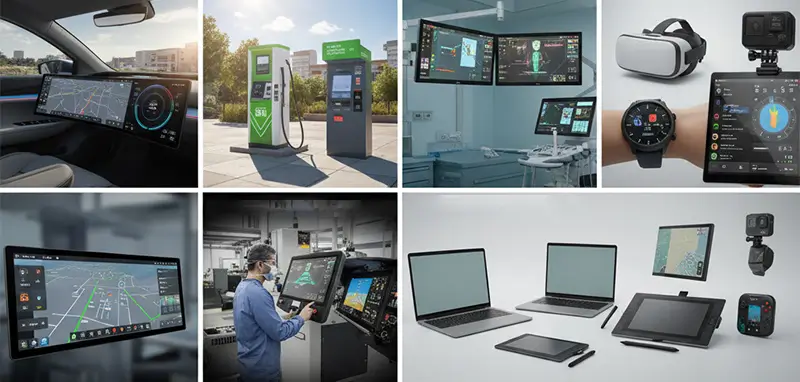
- Automotive: Center information displays, digital instrument clusters, heads-up displays (HUD), pillar-to-pillar screens, rear-seat entertainment, and side-mirror replacement cameras
- Outdoor & Semi-Outdoor Kiosks: EV charging stations, ATMs, parking terminals, self-service payment kiosks, drive-thru menus, and digital signage
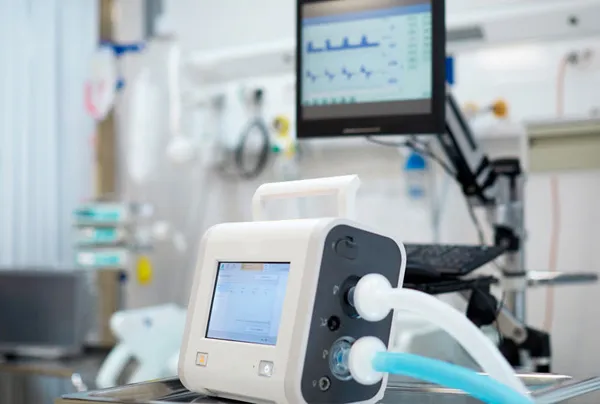
- Medical & Healthcare: Surgical monitors, ultrasound/endoscopy displays, patient bedside screens, diagnostic imaging panels
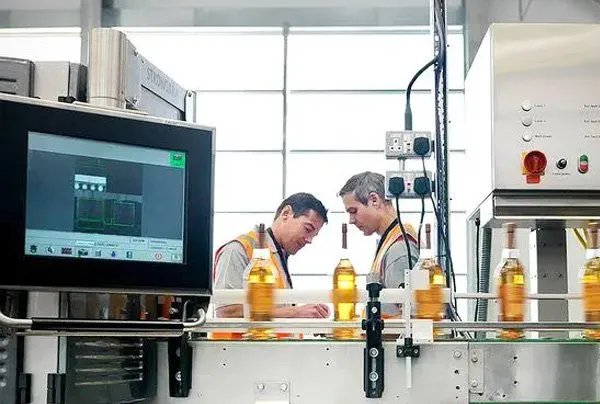
- Industrial & Rugged Environments: Factory HMI touch panels, marine navigation displays, aviation instruments, oil & gas field terminals
- Premium Consumer Electronics: High-end laptops, 2-in-1 devices, professional drawing tablets, gaming handhelds with matte screens
- Wearables & Compact Devices: Outdoor sports smartwatch cover lenses, AR/VR optical covers, action camera lens protectors, professional field monitors
- Retail & Commercial: Interactive shelves, digital price tags, museum exhibit panels, point-of-sale systems
Its permanent durability, fingerprint-hiding matte texture, and excellent sunlight readability make etched AG glass the standard choice for nearly all professional, outdoor, and mission-critical display applications.
Choosing the Right Anti-Glare Level: Gloss Units Explained
- 110–130 GU – Light Etch:
Mild diffusion, excellent clarity: best for indoor office monitors, medical devices. - 80–100 GU – Medium Etch
Balanced performance: best for automotive CID, premium laptops. - 40–70 GU – Heavy Etch
Maximum glare reduction: best for outdoor kiosks, marine displays, direct-sunlight applications.
Lower gloss = stronger anti-glare but slightly higher haze. Always test samples under real lighting conditions.
FAQs about Etched Anti-Glare Glass
Will the etching process affect glass warpage?
No. With a professional etching process using proper protective film and controlled parameters, anti-glare etched glass exhibits no additional warpage compared to untreated chemically strengthened glass.
Is etched AG treatment applied on the tin side or the air side of the glass?
Single-side etched AG glass is normally processed on the air side. Tin-side etching is also available upon request to meet specific customer requirements.
Which is stronger: soda-lime (greenish) glass or etched AG glass?
Strength is virtually identical. The etched AG surface remains pure glass, so pencil hardness, ball-drop impact resistance, and overall mechanical strength are essentially the same as the base strengthened glass.
Is etched AG performed before or after chemical strengthening?
Etched AG is always performed before chemical strengthening (ion-exchange tempering).
Can anti-glare etched glass be double-sided?
Yes, double-sided etching is technically fully supported and available when required (e.g., for certain optical components or special industrial panels). However, most cover glass applications use single-sided etching only, as this provides the optimal combination of anti-glare performance on the outer surface while keeping the inner surface perfectly smooth for lamination, optical bonding, and touch-sensor compatibility.
Conclusion
Anti-glare etched glass is the most reliable permanent solution for eliminating display reflections in real world lighting conditions. With its integral matte texture etched directly into the glass, it offers lifetime durability, superior scratch resistance, excellent fingerprint hiding, and outstanding sunlight readability that no coating can match.
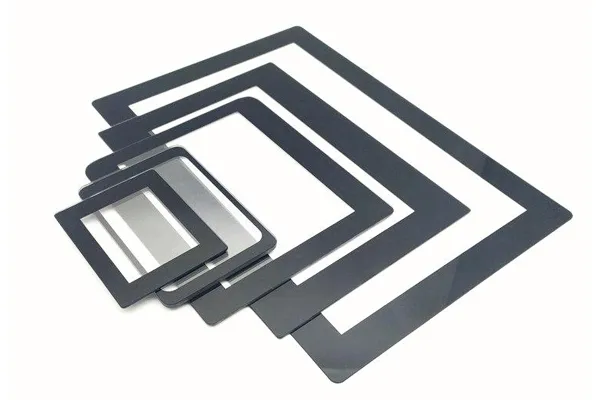
TFT Cover Glass specializes in fully customized etched AG cover glass solutions. We offer precise gloss/haze control, optional AF/AR coatings, silk-screen printing, CNC shaping, and full optical-bonding readiness on thicknesses from 0.33 to 5 mm. Whether you need rapid prototypes or millions of pieces, we guarantee batch-to-batch consistency and premium quality. Contact us today for free samples and dedicated technical support.


 EN
 FR
 DE
 ES
 PT
 IT
 NL
 DA
 RU
 AR
 TR
 JA
 KO
 ID
 UK
 TH
 VI
 PL
 MS
 ET
 EL