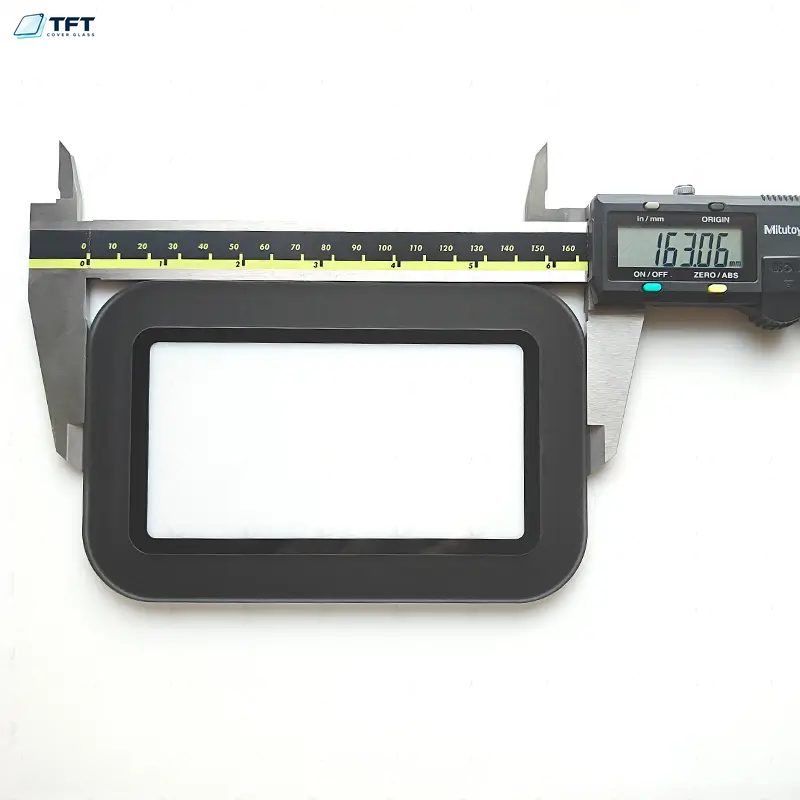
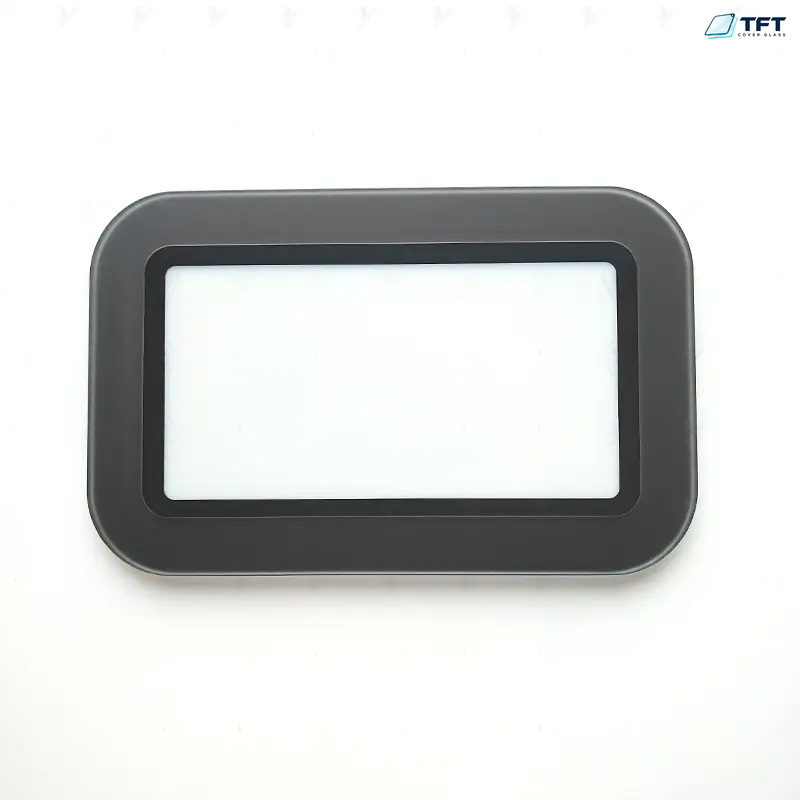
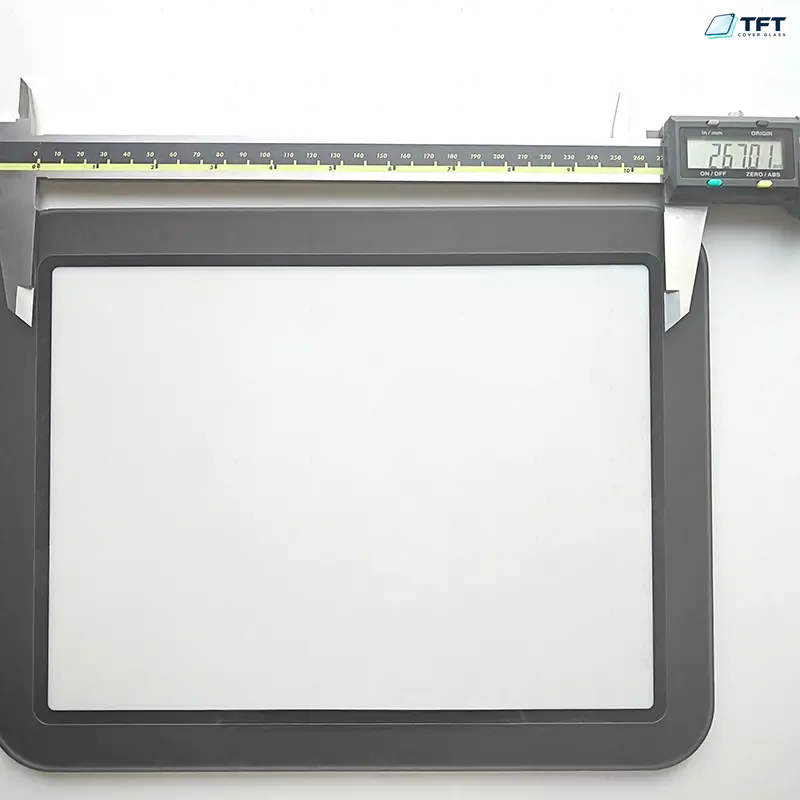
Stepped Glass Panels
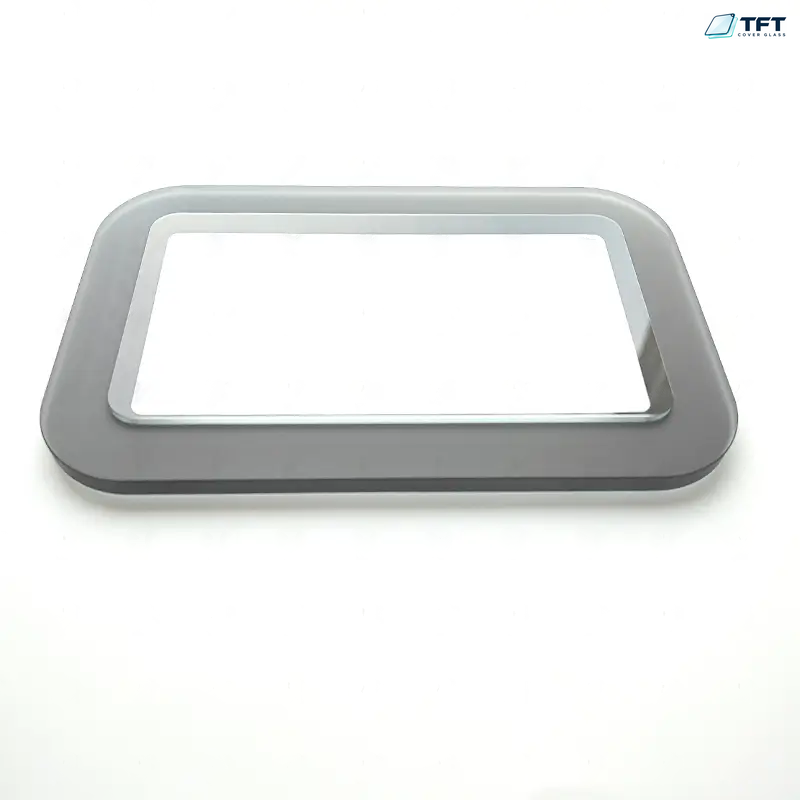
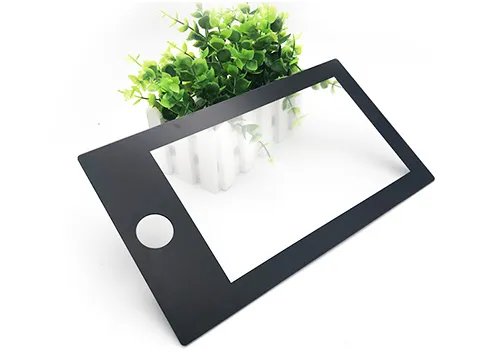
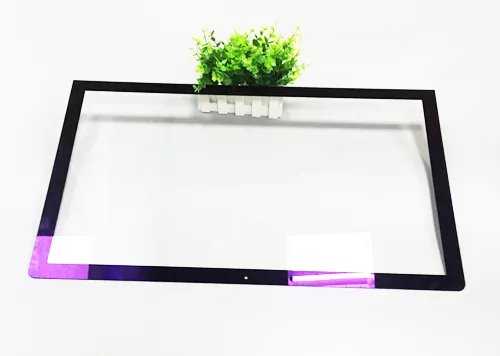
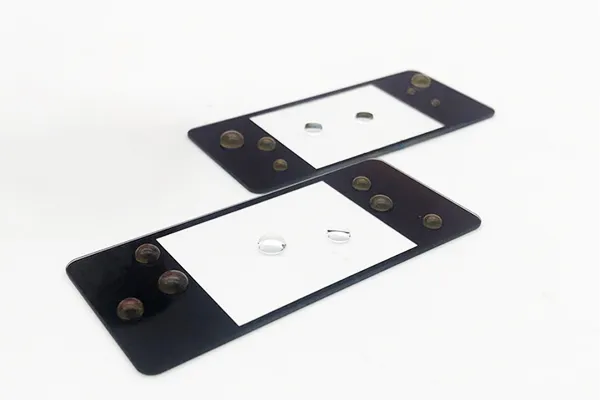
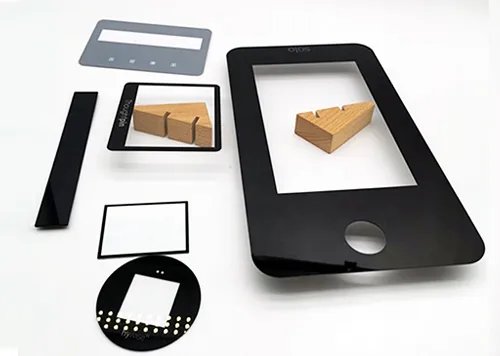
Stepped glass, combined with safety, aesthetics, and practicality, is widely used in various fields such as instrument panels, outdoor equipment, and lighting fixtures.
Material Options for Stepped Glass Panels
The manufacturing materials for stepped glass panel offer a rich selection, commonly including Corning glass, soda-lime glass, and high borosilicate glass. These high-quality materials not only ensure the robustness and durability of the glass but also endow it with excellent weather resistance and chemical stability, guaranteeing long-lasting performance in all environments.
Manufacturing Process for Stepped Glass Panels
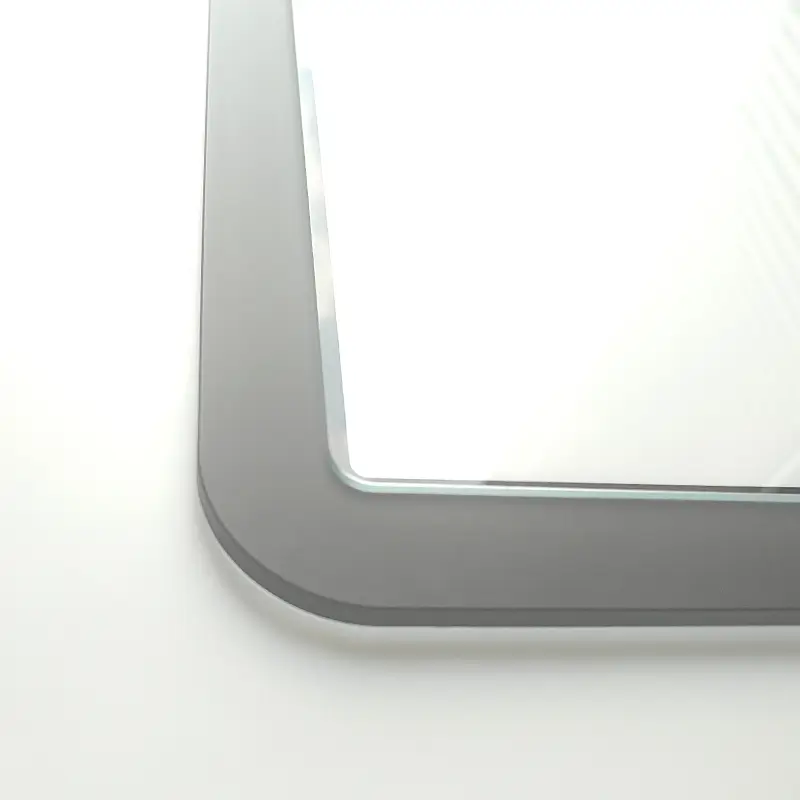
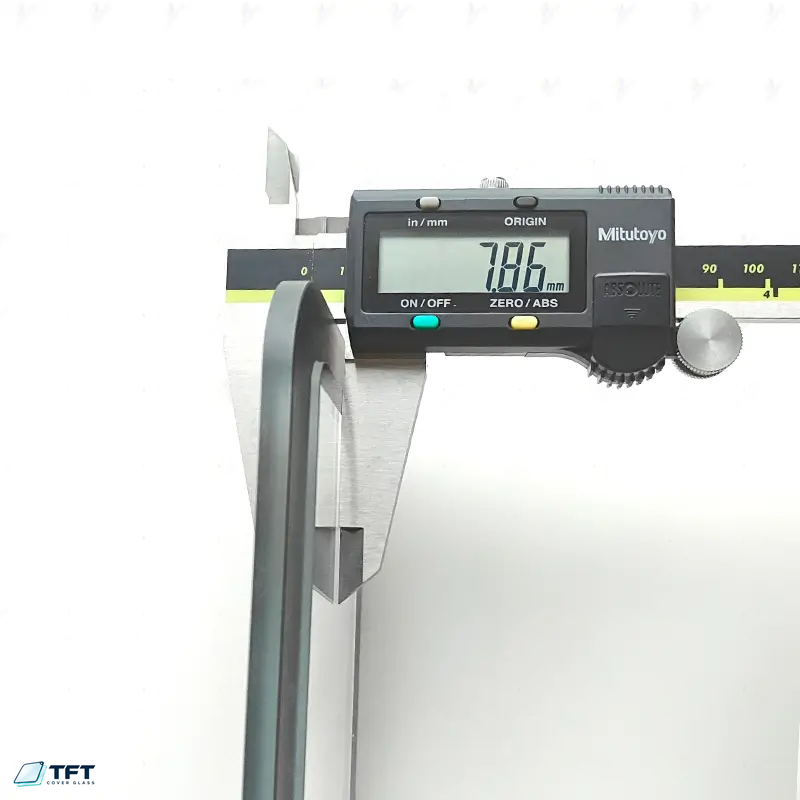
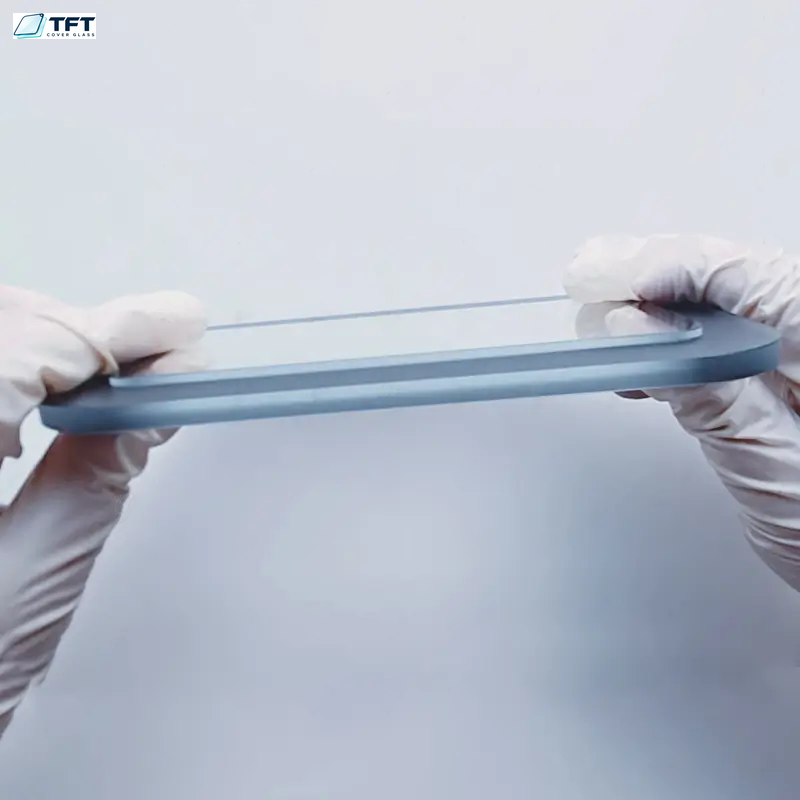
The core stepped structure is primarily achieved through high-precision CNC grinding. This process allows for precise control over the dimensions and angles of the steps, ensuring a perfect fit for the glass. The surface of the steps typically presents an attractive matte finish, adding a subtle texture to the product. Of course, customers can also opt for polished treatment to achieve a more brilliant luster.
Wide Applications of Stepped Glass Panels
With its unique design, stepped glass plays a crucial role in various industries:
- Instrument Panels: Provides a clear and accurate reading interface for instrument panels of automobiles, electronic devices, etc., while enhancing the overall sense of technology and quality.
- Outdoor Equipment: Withstands complex and changing environments, offering a robust protective layer for outdoor equipment while maintaining good transparency.
- Lighting Fixtures: Unique optical effects and structural design add artistic flair to lighting fixtures, creating richer light and shadow experiences.
Other Manufacturing Technique for Stepped Glass
While adhesive bonding can also achieve the stepped structure of glass, there is a risk of separation with long-term use. Therefore, monolithic forming is currently the most ideal solution for producing stepped glass. This process seamlessly integrates the stepped structure with the main body of the glass, eliminating potential quality issues and ensuring long-term stability and reliability of the product.




 EN
 FR
 DE
 ES
 PT
 IT
 NL
 DA
 RU
 AR
 TR
 JA
 KO
 ID
 UK
 TH
 VI
 PL
 MS
 ET
 EL